Last updated November 24, 2026
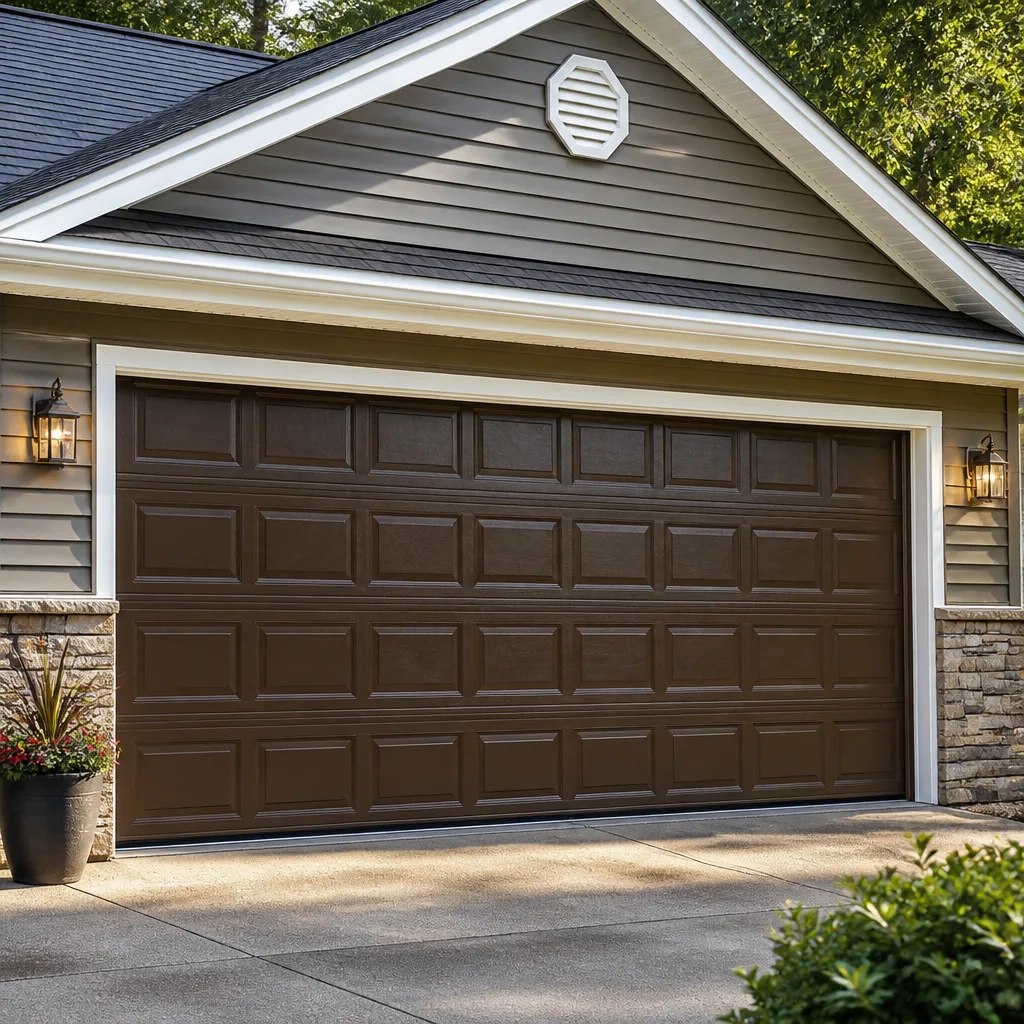 Raised-panel steel
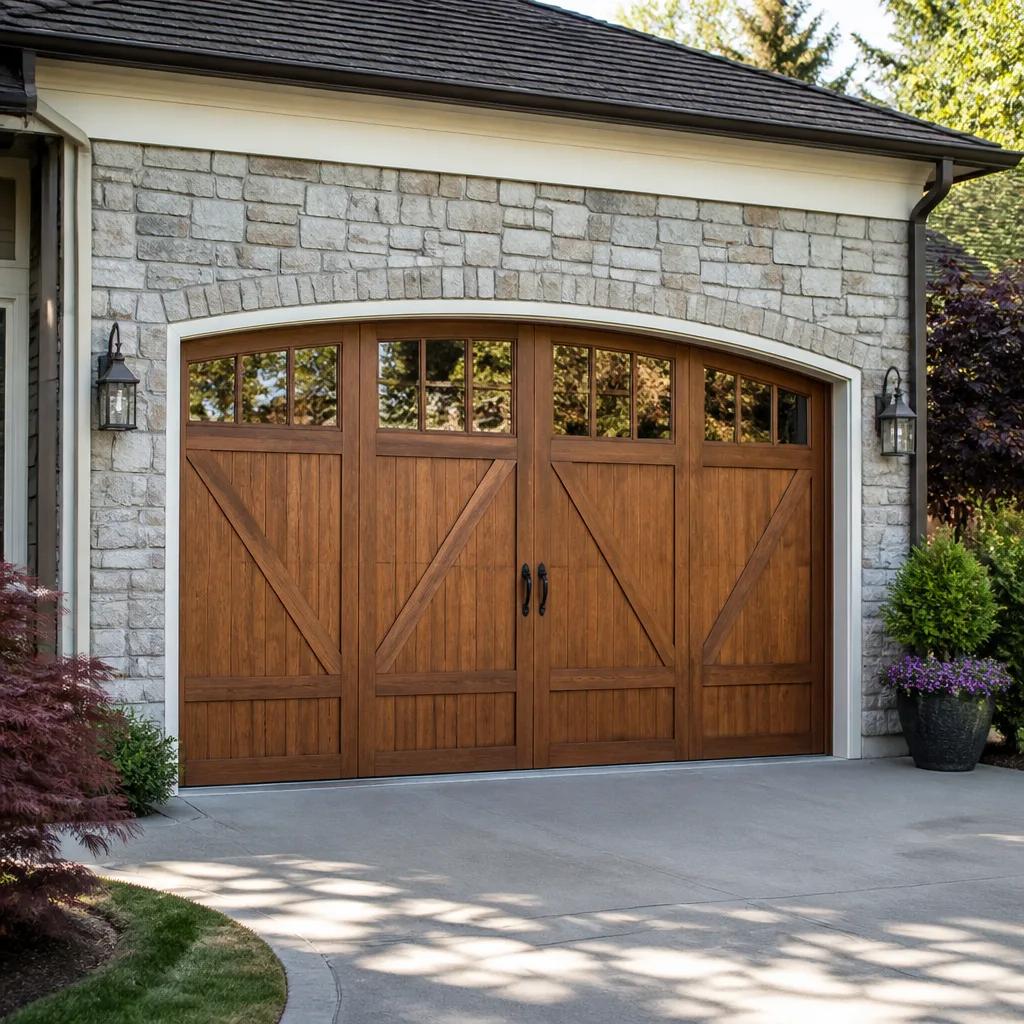 Carriage house
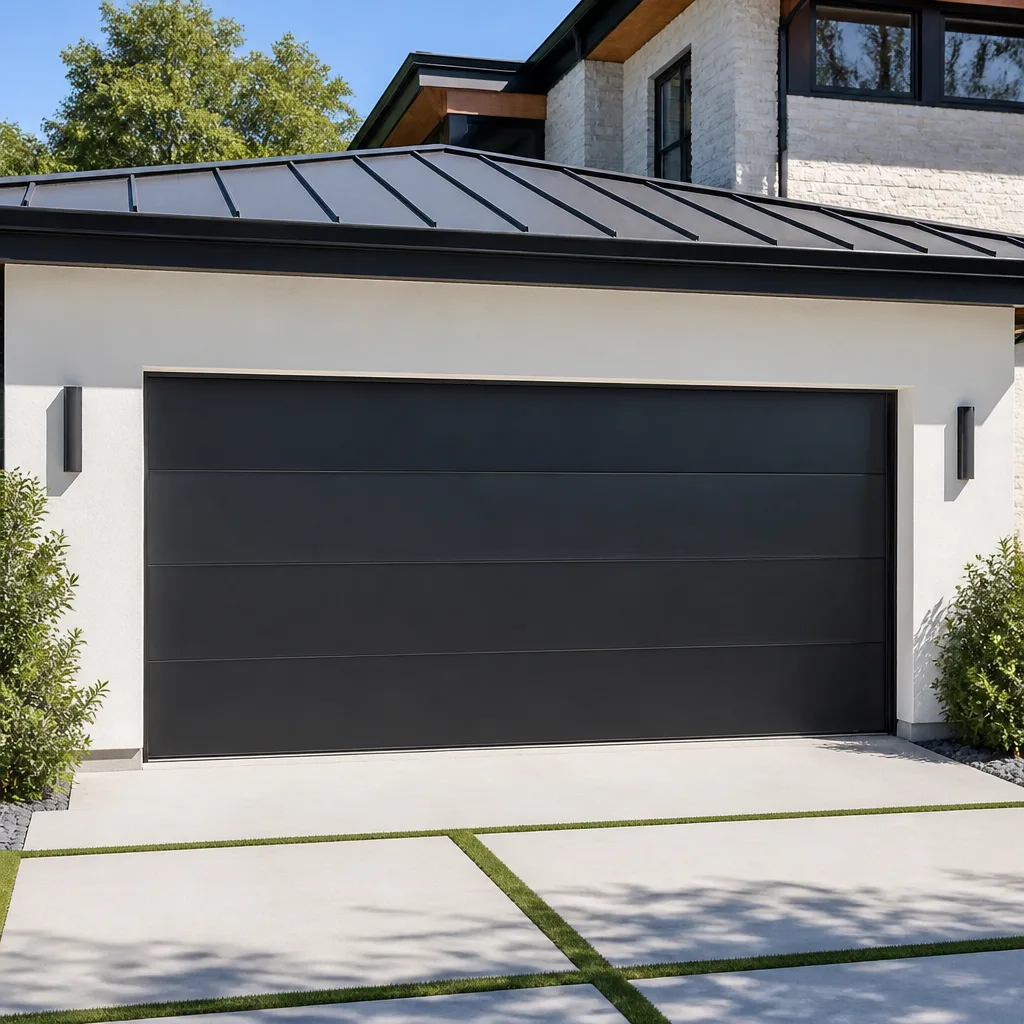 Modern flush
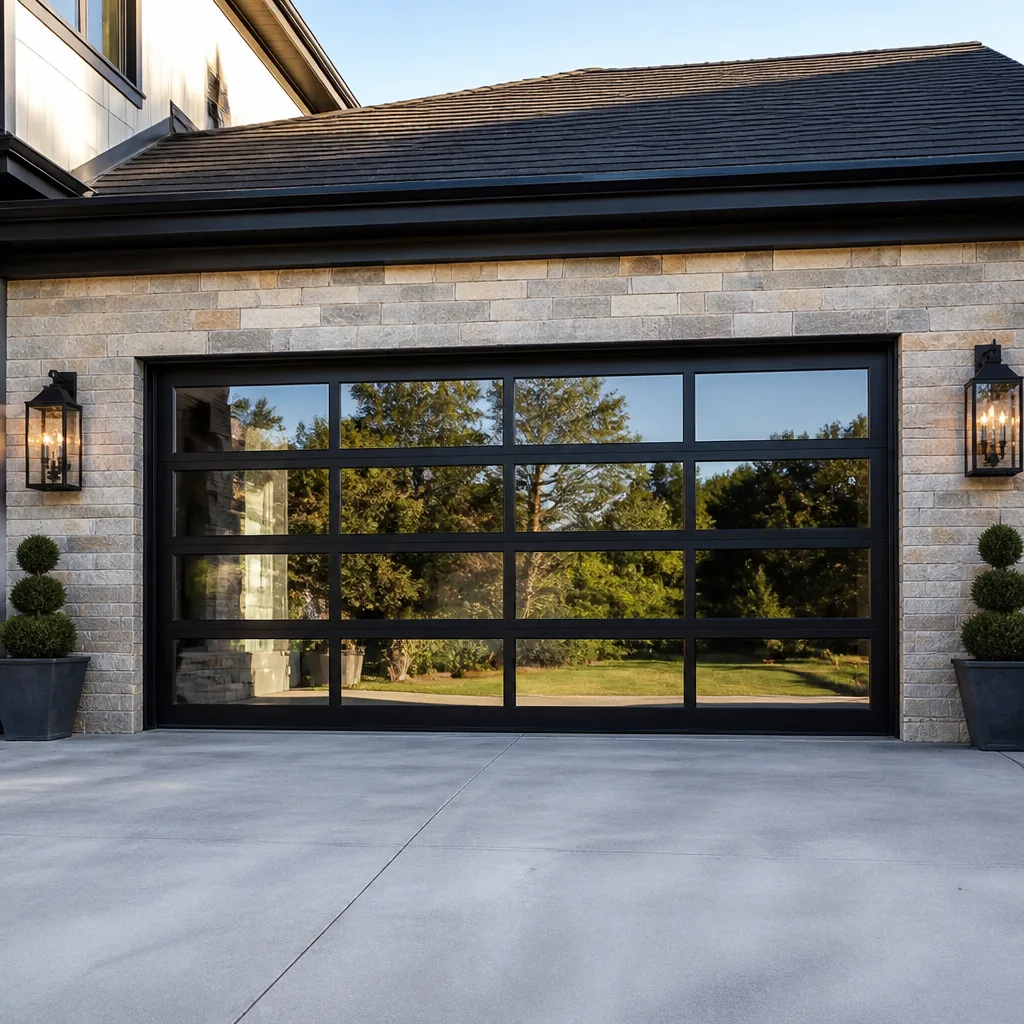 Full-view glass
 LiftMaster openers
 Chamberlain openers
Full 25-point door and opener safety check with every visit - springs, cables, rollers, tracks, and your LiftMaster or Chamberlain opener included
You get a price before we start. It does not change when the pro arrives.
Get your free estimateSeasonal Garage Door Care for Lynnwood: Year-Round Homeowner’s Guide
Most garage door advice you’ll find online splits the year into four tidy seasons and tells you to “inspect in spring, prepare in fall.” That template was written for a climate that has four seasons. Lynnwood doesn’t. What we actually get is a long wet-cold stretch from roughly October into April, a short dry window in summer, and transitional weeks in between where the weather can’t decide. Each of those phases punishes a different set of components, and the maintenance that matters most changes with them. This guide is built around what Lynnwood weather actually does to your door’s hardware, not a generic calendar. You’ll learn which single task delivers the most value before the rains set in, why our damp winters are harder on springs than a dry cold snap, and the lubrication schedule that actually holds up here.
Quick Answer
In Lynnwood, the highest-value seasonal garage door task is replacing a worn bottom seal before October, because that seal is what keeps cold rain and wind-driven moisture out of the door opening all winter. The second priority is lubricating moving parts in October and again in April, since winter damp strips lubricant faster than dry cold does. Everything else – spring checks, cable tension, auto-reverse testing, UV inspection – falls into a lighter schedule you can handle in an afternoon or two a year.
Styles & brands we work with
- Raised-panel steel
- Carriage house
- Modern flush
- Full-view glass
- LiftMaster openers
- Chamberlain openers
Table of Contents
- Why Lynnwood’s Climate Doesn’t Fit the Four-Season Template
- Fall Prep: The October Checklist That Matters Most
- What Damp Cold Does to Torsion Springs
- Summer Tasks Most Pacific Northwest Homeowners Skip
- Testing and Adjusting Auto-Reverse After Temperature Swings
- The Lynnwood Lubrication Schedule: October vs. April
- The Transitional Weeks: What to Watch in March and September
- Brand-Specific Notes for Lynnwood Homes
Why Lynnwood’s Climate Doesn’t Fit the Four-Season Template
Lynnwood sits in a stretch of the Puget Sound lowlands where winter temperatures hover in the mid-30s to mid-40s for months rather than plunging into hard freezes. That sounds gentle. For garage door hardware, it isn’t. Sustained damp cold is a different kind of stress than a dry deep freeze, and the wear patterns it produces are the ones we see most often when we’re called out to a Lynnwood home.
The practical effect is that the calendar looks less like four seasons and more like three phases:
- Wet and cold – roughly October through March, when moisture and mild cold combine to attack seals, cables and lubricant.
- Briefly dry – the summer window, when UV exposure and low humidity become the main stressors.
- Transitional – the weeks in spring and early fall when temperatures swing and the door’s balance and force settings drift.
Each phase puts pressure on different parts. A door that gets through summer without complaint can start groaning the first week of sustained rain, not because anything dramatic happened, but because the dry season hid the wear. Understanding which phase you’re in tells you what to check first. That’s the whole premise of this guide, and it’s why a Lynnwood homeowner’s seasonal list looks different from one written for a homeowner in a drier climate.
If you’ve noticed your door getting louder or slower as the weather turns, that’s usually the first signal. A garage door repair visit at that point is far easier than waiting for a failure in the middle of a cold snap.
Fall Prep: The October Checklist That Matters Most
October is when garage door calls start climbing in Lynnwood. Nothing suddenly breaks. What happens is that summer-dried seals and under-lubricated cables meet their first sustained cold rain and reveal months of deferred wear all at once. The single highest-return task before the wet season is replacing a worn bottom seal.
Here’s why the bottom seal matters more than most homeowners realize. That rubber strip along the bottom of the door is the only thing standing between your garage interior and wind-driven rain, cold air and the occasional small pest. A seal that’s cracked, flattened or torn lets water creep in along the floor line through the wettest months, where it can sit against the door’s bottom section and the concrete. A fresh seal also makes the door close more quietly and seals the gap that lets drafts into the house. For the cost and effort involved, it’s the best thing you can do before October.
Our fall checklist, in order of importance:
- Inspect and replace the bottom seal if it’s cracked, brittle or sitting flat against the floor instead of making contact.
- Lubricate all moving parts – hinges, rollers, tracks and the spring winding points. We cover the specifics in the lubrication section below.
- Test the auto-reverse with a weight on the floor, before the cold changes the door’s balance.
- Check the weatherstripping around the door frame and replace any sections that have pulled loose.
- Clear the tracks of debris and confirm the door runs smoothly by hand.
- Look at the springs and cables for visible wear, rust or fraying – and call a professional if you see anything that concerns you.
Most of this is an afternoon’s work. The spring and cable inspection is the one part we’d rather you not do yourself; we’ll explain why in the next section.
What Damp Cold Does to Torsion Springs
Lynnwood’s mild-but-damp winters are harder on torsion springs than dry cold climates, and that surprises people. A dry freeze keeps metal stable. A damp winter repeatedly cycles the spring between cool nights and mild days, and every one of those cycles is a small flex of the spring that adds to its fatigue over the years. Springs don’t fail from one cold snap. They fail from thousands of load-unload cycles, and the damp cold accelerates the process by promoting surface corrosion on the coils and the cable ends.
Two things matter here:
- Temperature drift changes tension. As the steel cools and warms, the spring’s stored force changes slightly. A door balanced in July may not be balanced in January, and an out-of-balance door puts extra strain on the spring, the cables and the opener.
- Moisture promotes rust. Rust on a torsion spring is more than cosmetic. It eats into the wire and creates a starting point for cracks. If you see heavy rust or a visible gap in a coil, treat it as a sign the spring is near the end of its life.
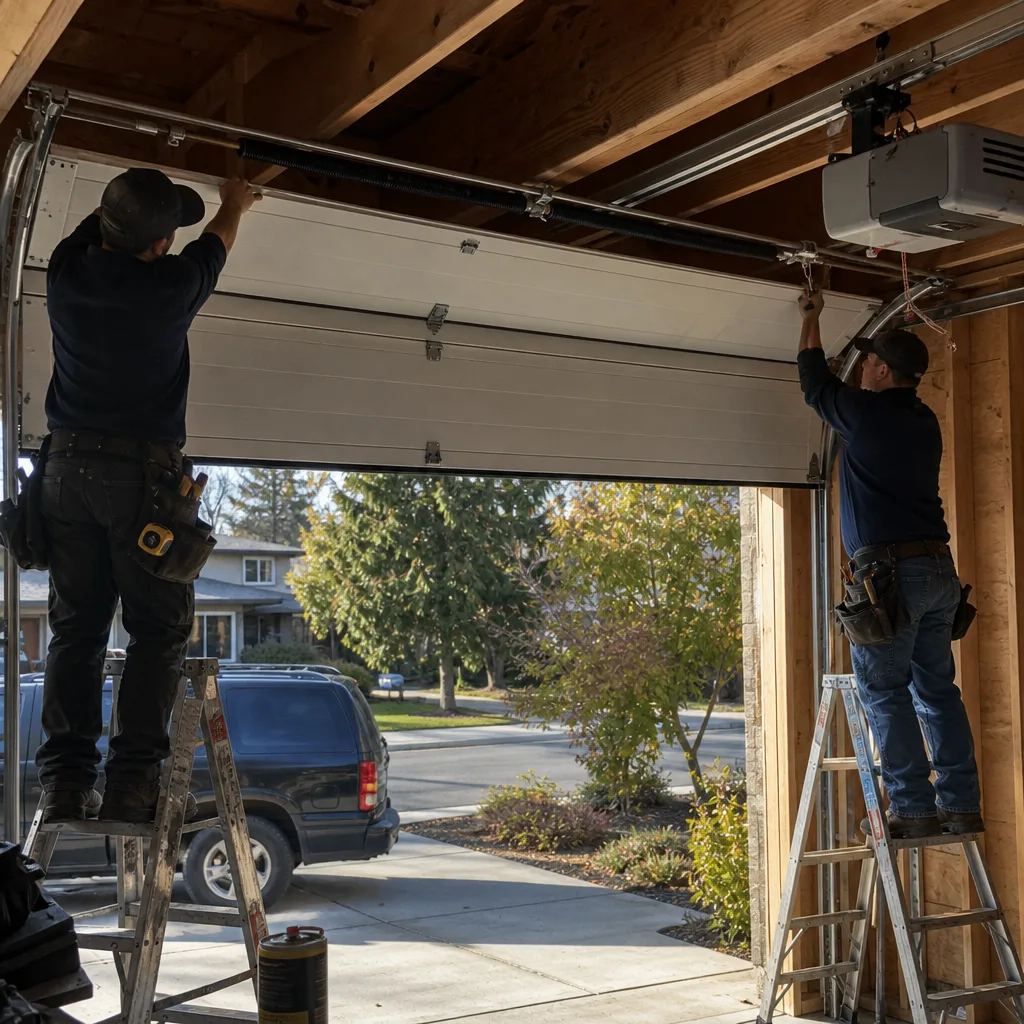
Torsion and extension springs are the most dangerous parts of a garage door. They store enormous force, and a spring under tension can cause serious injury if it releases unexpectedly. We do not recommend homeowners try to adjust, unload or replace springs themselves. This is high-stakes work that calls for the right tools and training, and it’s a job we treat with real technical seriousness rather than as an add-on. If your spring looks worn or the door feels heavy, call for garage door spring repair before something lets go. The spring is one component worth checking every fall and leaving to a professional to service.
Summer Tasks Most Pacific Northwest Homeowners Skip
When the dry season arrives, most Lynnwood homeowners stop thinking about their door. That’s the mistake, because the short dry stretch creates its own set of problems, and the issues it causes don’t show up until the fall rains return.
The two summer stressors that matter most in Lynnwood:
UV degradation on composite and wood-composite panels. A door facing south or west takes direct sun through the summer. On composite panels, the finish can chalk, fade or develop fine surface cracks. Those cracks seem minor until moisture gets in and the freeze-thaw cycle of the next winter widens them. If your door faces the afternoon sun, wipe it down and check the finish in midsummer. A little attention to the paint or stain now prevents a bigger finish job later.
Dry weather and cable tension. Summer’s low humidity causes wood components to shrink slightly, which loosens the fit around hardware. More importantly, the temperature swings between hot days and cool nights run the door through the same load cycles that fatigue the springs. If you notice the door lifting unevenly or the opener working harder, cable tension may have drifted. Have a technician check it rather than adjusting it yourself.
Summer is also the best time to schedule anything that isn’t urgent, since the weather lets you leave a door open without letting rain in. If you’re weighing whether your door is worth fixing or should be replaced, the dry months are the right window to get a straight answer on that question. Opener issues often surface in summer too, and a garage door opener repair call during the dry season beats one in November.
Testing and Adjusting Auto-Reverse After Temperature Swings
Your garage door’s auto-reverse is a safety feature, and temperature swings can throw it out of adjustment. When the door’s balance changes with the seasons, the force required to move it changes too, and a setting tuned for summer may be too firm or too soft by winter. This is why we recommend testing it after the weather turns, not just once a year.
Here’s how to test it safely. This part is fine for a homeowner:
- Open the door fully using the wall control or remote.
- Place a solid object – a length of 2×4 or a similar firm item – flat on the floor in the door’s path.
- Close the door using the control and watch what happens. The door should reverse when it contacts the object.
- Test the photo-eye safety sensors if your opener has them: pass a hand or object through the beam while the door is closing and confirm it reverses.
If the door doesn’t reverse, or if it reverses before touching the object (meaning it’s set too sensitive), the force and travel limits need adjusting. On a LiftMaster or a newer Chamberlain opener, those settings live in different places than on an older Craftsman unit still running in many Lynnwood garages, and the adjustment method differs. If you’re not sure which control does what, have a technician set it. A misadjusted auto-reverse is a real safety concern, especially with kids or pets around.
Testing is something you can do after any temperature swing that makes the door feel different. Adjusting is best left to someone who knows your opener’s controls, because it only takes a small turn in the wrong direction to cause a bigger problem.
The Lynnwood Lubrication Schedule: October vs. April
Lubrication is where a Lynnwood schedule diverges most sharply from a generic one. Because winter here is damp rather than frozen, moisture strips lubricant from moving parts faster than dry cold does. That means one annual lubrication isn’t enough. You want a round in October to prepare for the wet months, and a second round in April after winter exposure.
What to apply, and when:
- October – apply a garage-door-specific lubricant to hinges, rollers, the track where rollers ride, and the spring winding points. A silicone-based or white-lithium lubricant works well. Avoid heavy grease, which attracts dust and grit in a garage environment.
- April – reapply to the same points after the wet season, and wipe away any old lubricant that’s picked up grime. Winter moisture can leave a film that traps dirt against the metal.
- Cables – a light wipe with lubricant helps, but a frayed or rusted cable is a replacement item, not a lubrication one. Inspect first.
- Tracks – clean, don’t grease heavily. A light film is fine. A thick layer just collects debris.
Skip this schedule and the first symptom is usually noise: a groan or squeal when the door moves. The longer-term cost is faster wear on hinges, rollers and springs. The good news is that the whole job is quick and inexpensive, and it’s the kind of upkeep that keeps a door out of the repair queue. If noise persists after lubricating, that’s worth a professional look, since it can point to a worn roller or a balance issue rather than simple dryness.
The Transitional Weeks: What to Watch in March and September
The weeks that straddle the wet and dry seasons are the ones homeowners overlook. In March, the door has just come through months of damp cold and it’s starting to run under warmer, drier conditions. In September, the reverse is true. These transitions are when small drift becomes noticeable drift.
Watch for three things:
- Balance. Open the door halfway by hand (carefully, with no opener attached) and let go. It should hold roughly in place. If it drops or rises, the springs are out of balance and need a technician.
- Speed and sound. A door that suddenly sounds louder or moves more slowly than it did a few weeks ago is telling you something changed. Often it’s the opener working harder because the door’s balance drifted.
- Seal contact. At the transition from wet to dry, seals that swelled in the damp can shrink and leave a gap. Check the bottom seal and the perimeter weatherstripping.
A quick walk-around in March and September catches most problems before they grow. It’s a ten-minute habit that pays for itself. If something looks off during the walk-around, it’s a good moment to call and get it looked at while it’s still minor.
Brand-Specific Notes for Lynnwood Homes
Lynnwood’s housing stock includes doors and openers from just about every major brand, and each system has its own quirks when it comes to seasonal care. We work on all of the major residential brands, including Wayne Dalton, LiftMaster, Chamberlain, Genie, Clopay, Amarr, Craftsman and Raynor, and knowing the specific system before we arrive makes seasonal service faster.
A few brand notes worth knowing:
- Wayne Dalton doors sometimes use proprietary spring and hardware configurations, which means a seasonal check needs the right replacement parts on hand.
- LiftMaster and Chamberlain openers often have adjustable force and travel limits that are the first thing to check when temperature swings change how the door behaves. Many newer units also tie into smart-home controls, and a seasonal test should confirm those still respond correctly.
- Craftsman openers, still running in a huge number of older homes, are robust but their force settings and safety-reverse test points can differ from newer models. If yours is older, a seasonal check is worth more than on a newer unit.
- Raynor doors with their own opener systems need service that respects the manufacturer’s setup rather than a one-size-fits-all adjustment.
We bring the right parts and know the quirks of each system, which is why a seasonal service visit doesn’t turn into a second trip. For a single point of contact covering diagnosis, parts and labor, see Lynnwood Garage Door Repair Pros. If you’d rather not sort the seasonal list yourself, that’s exactly the kind of work we handle.
Common Mistakes to Avoid
- Waiting until the first cold rain to check the seal. By then, water has already found its way in. Replace a worn bottom seal before October, not after the first storm.
- Lubricating once a year and calling it done. In Lynnwood’s damp winters, one annual application isn’t enough. Plan for October and April.
- Ignoring a slightly louder door in fall. A door that gets noisier as the weather turns is usually telling you a seal has dried out or the springs need attention. Catch it early.
- Adjusting the auto-reverse by trial and error. Guessing at the force setting can make a safety feature unsafe. Test it yourself; leave adjustment to a technician.
- Forgetting the summer UV check. Composite and painted panels facing the afternoon sun take real UV exposure. A quick midsummer look prevents finish damage that winter moisture will worsen.
- Trying to service the springs yourself. Springs store serious force. This is the one part of seasonal care that should always go to a trained professional.
- Assuming a dry summer means nothing changed. The summer can hide the wear that fall will reveal. Balance and cable tension drift in the dry season too.
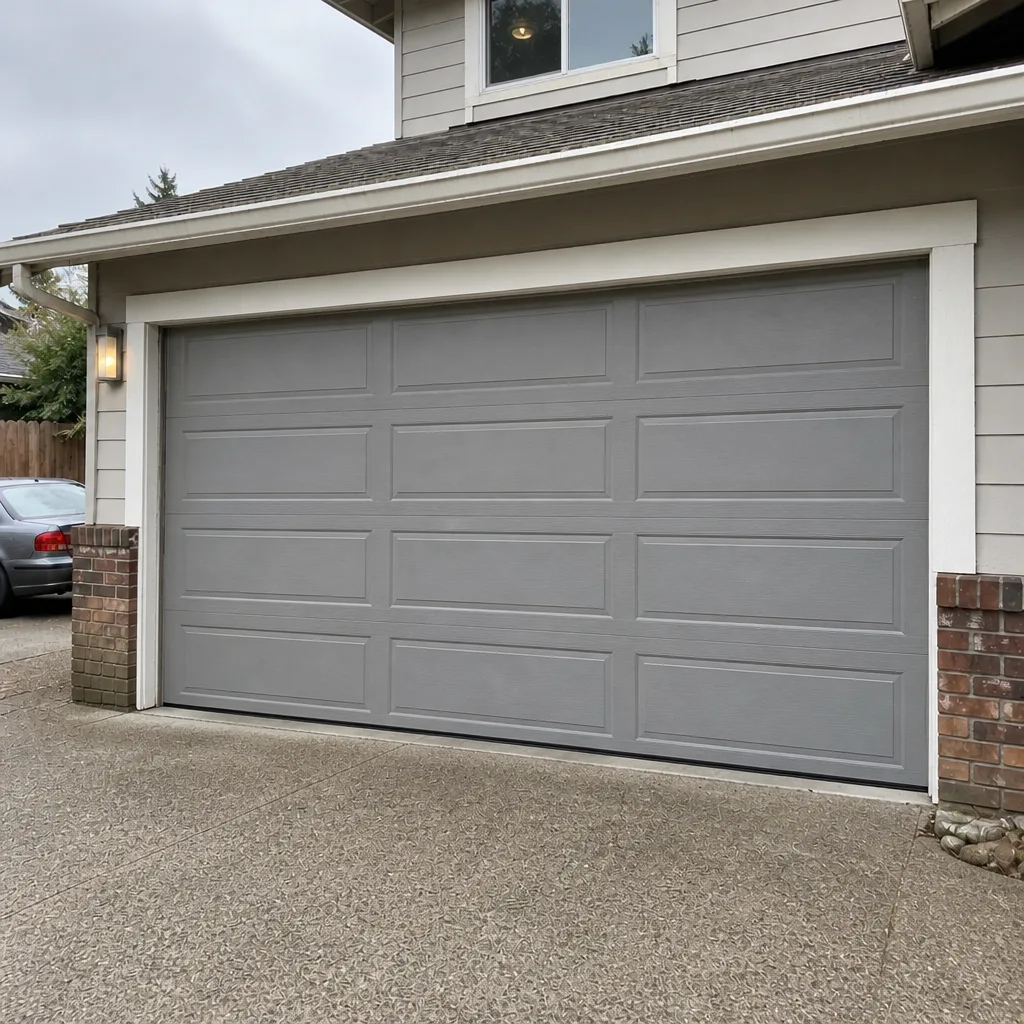
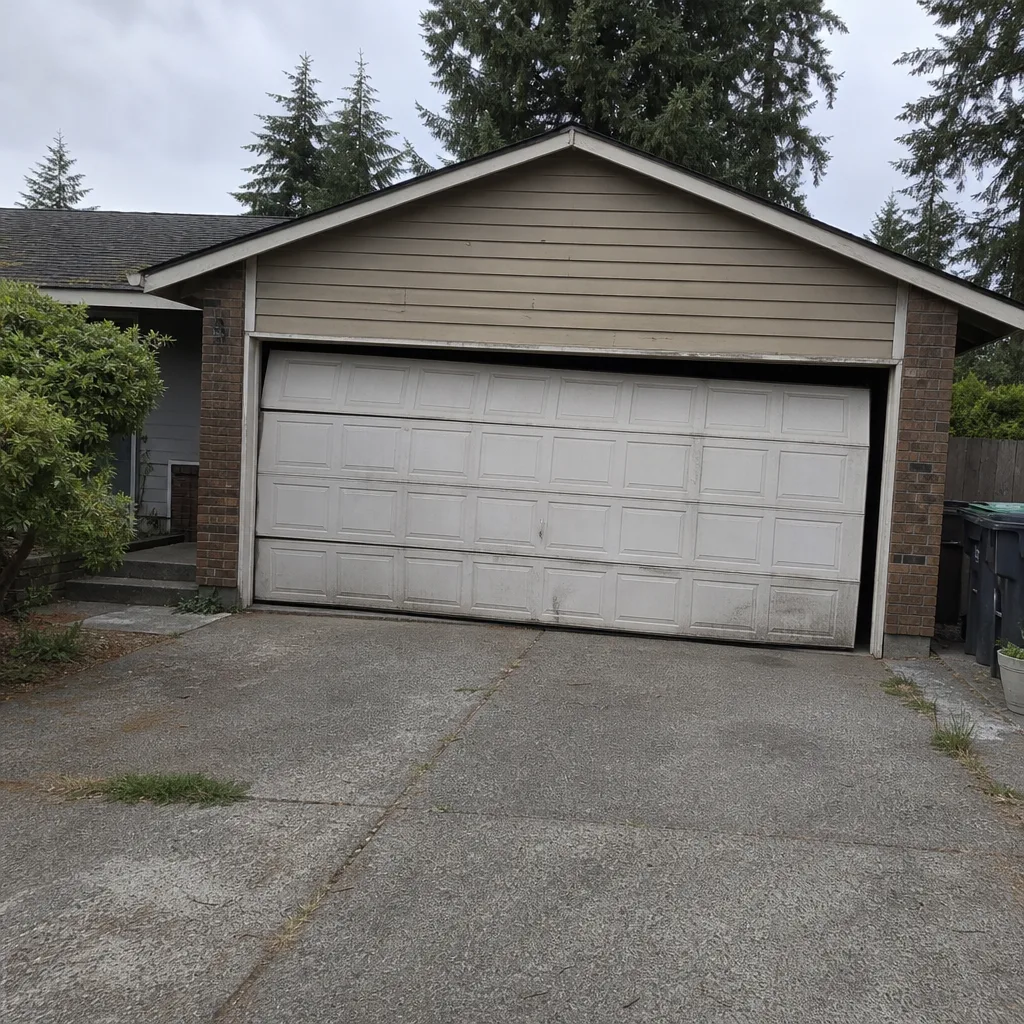
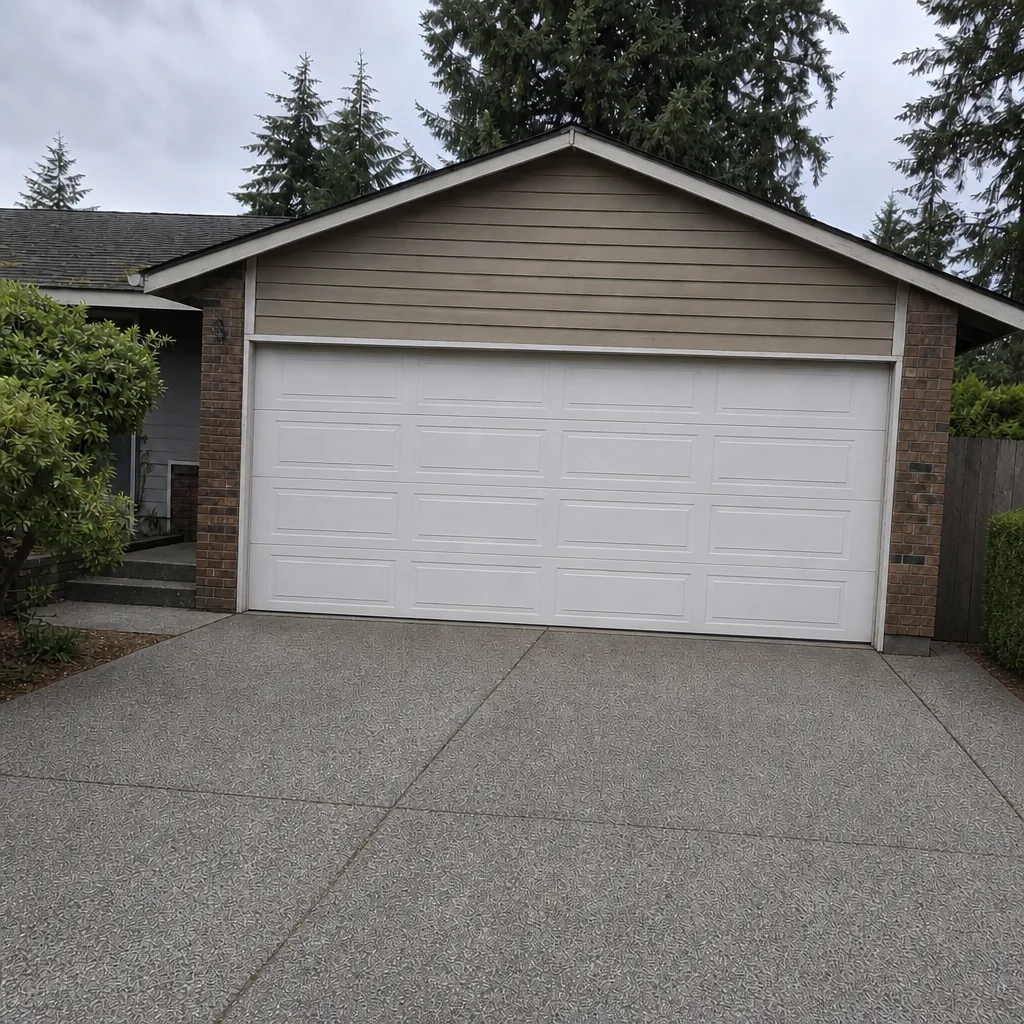
See the difference
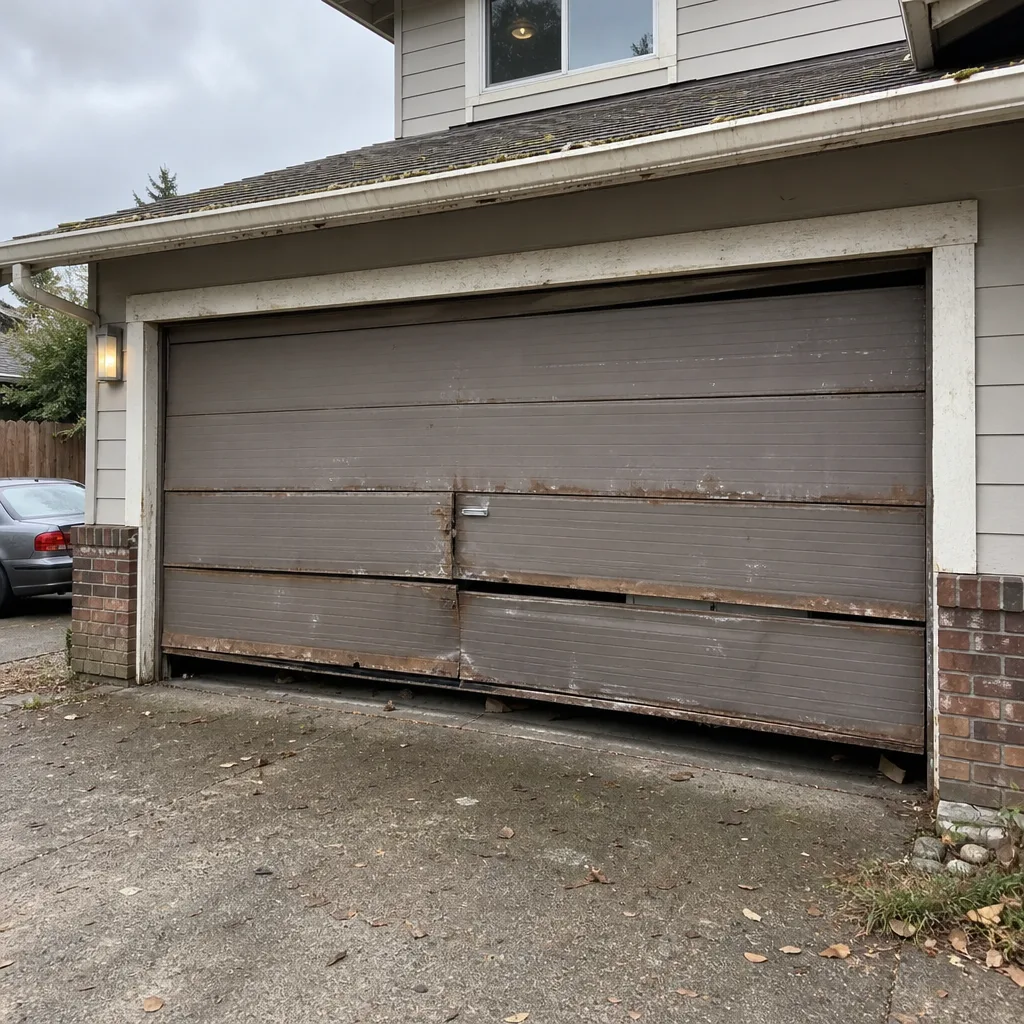 Before
 After
 Before
 After
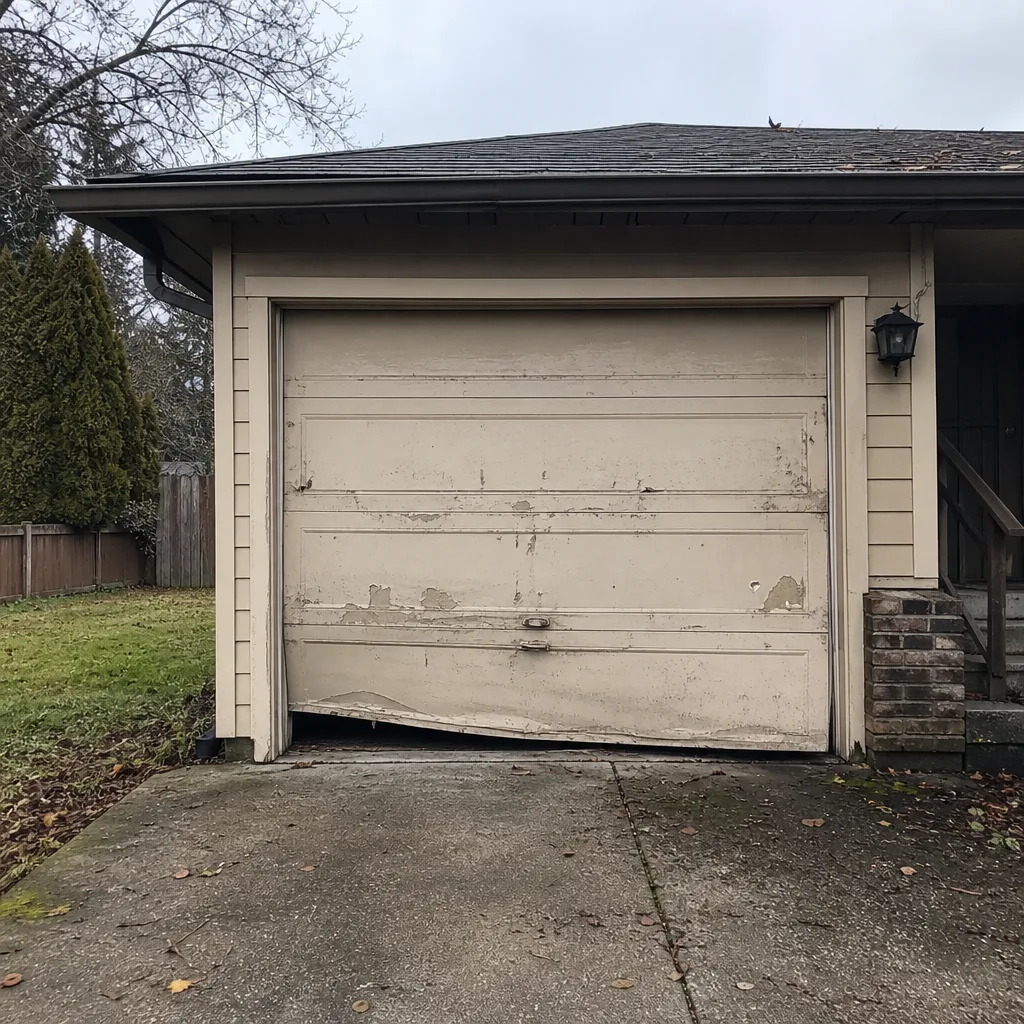 Before
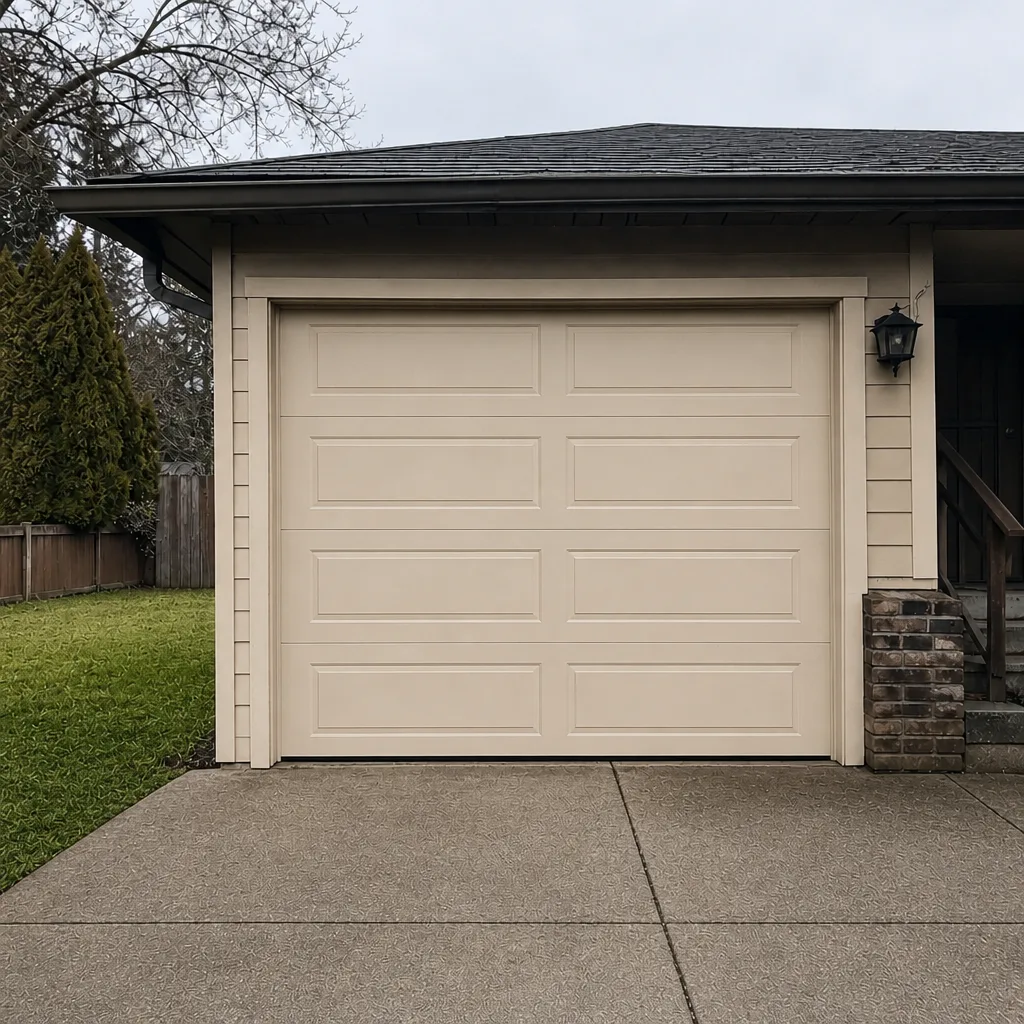 After
When to Call a Professional
Some seasonal care is a homeowner job: wiping down a seal, testing the auto-reverse, a light lubrication round. Some of it isn’t. Call a professional if you see a gap in a spring coil, heavy rust or a frayed cable, if the door won’t hold its balance when opened halfway, if it reverses before touching the floor, or if it suddenly runs rough, loud or off-track. A door stuck open or completely off-track is a security and safety concern, and we treat those as genuine emergencies rather than standard appointment slots. Our technicians have up to 12 years of experience, and spring work is a specialized service we handle as the safety-critical job it is. Lynnwood Garage Door Repair Pros offers free estimates in Lynnwood – call (855) 658-5277 and we’ll give you a quote before any work starts.
Frequently Asked Questions
Replacing a worn bottom seal before October is the highest-value single task. The bottom seal is what blocks wind-driven rain from the wettest months of the year, so a fresh one protects the door’s bottom section and the garage interior all winter. If yours is cracked or flattened, replace it before the wet season, not after. Call (855) 658-5277 for an estimate.
Because our winters are damp rather than deeply frozen, springs cycle between cool nights and mild days for months, and each cycle adds fatigue while moisture promotes surface rust. Dry cold keeps metal more stable by comparison. If your spring is rusty, has a visible gap or the door feels heavy, have it checked by a technician – don’t adjust it yourself. Call (855) 658-5277 to book a seasonal inspection.
Twice a year: a full round in October before the wet season and a second in April after winter exposure. Damp cold strips lubricant faster than dry cold, so a single annual application leaves moving parts under-protected through the wettest months. Use a garage-door-specific silicone or white-lithium lubricant, not heavy grease. If noise continues after lubricating, call (855) 658-5277.
Yes. When the door’s balance changes with the temperature, the force needed to move it changes too, so a setting tuned in summer can be too firm or too soft in winter. Test the auto-reverse after big swings; leave adjustment to a technician. A misadjusted reverse is a real safety concern. Call (855) 658-5277 if you’re not sure how to set your opener’s controls.
That depends on the door’s condition, and you deserve a straight answer rather than an automatic upsell. Older doors with repair after repair may cost more over time than a replacement, while a sound door that just needs a seal, lubrication and balance check is worth keeping. The dry months are the right time to get that decision made. Call (855) 658-5277 for a free estimate and an honest read on repair versus replace.
It matters a lot, because closing the door doesn’t seal a worn strip. A cracked or flattened seal leaves a gap along the floor that lets water and cold air in all winter, even when the door is fully closed. That gap can damage the bottom section over a season. Before October, check the strip where it meets the floor. To replace it, call (855) 658-5277.
The Bottom Line
Lynnwood doesn’t hand you four neat seasons, and your garage door care shouldn’t pretend it does. The year breaks into wet and cold, briefly dry, and transitional – and each phase stresses different parts. The practical schedule is simple: replace a worn bottom seal before October, lubricate in October and again in April, test the auto-reverse after temperature swings, and do a quick UV and cable-tension check in summer. Leave springs and cables to a professional. That’s the whole list, and it’s a lot less work than a mid-winter repair. If you’d like a tech to run through this checklist for you, we offer free estimates and can look at repair versus replace in the same visit. Call (855) 658-5277 for a free estimate on seasonal maintenance or any concern the guide surfaced.
Written by the team at Lynnwood Garage Door Repair Pros.