Last updated November 24, 2026
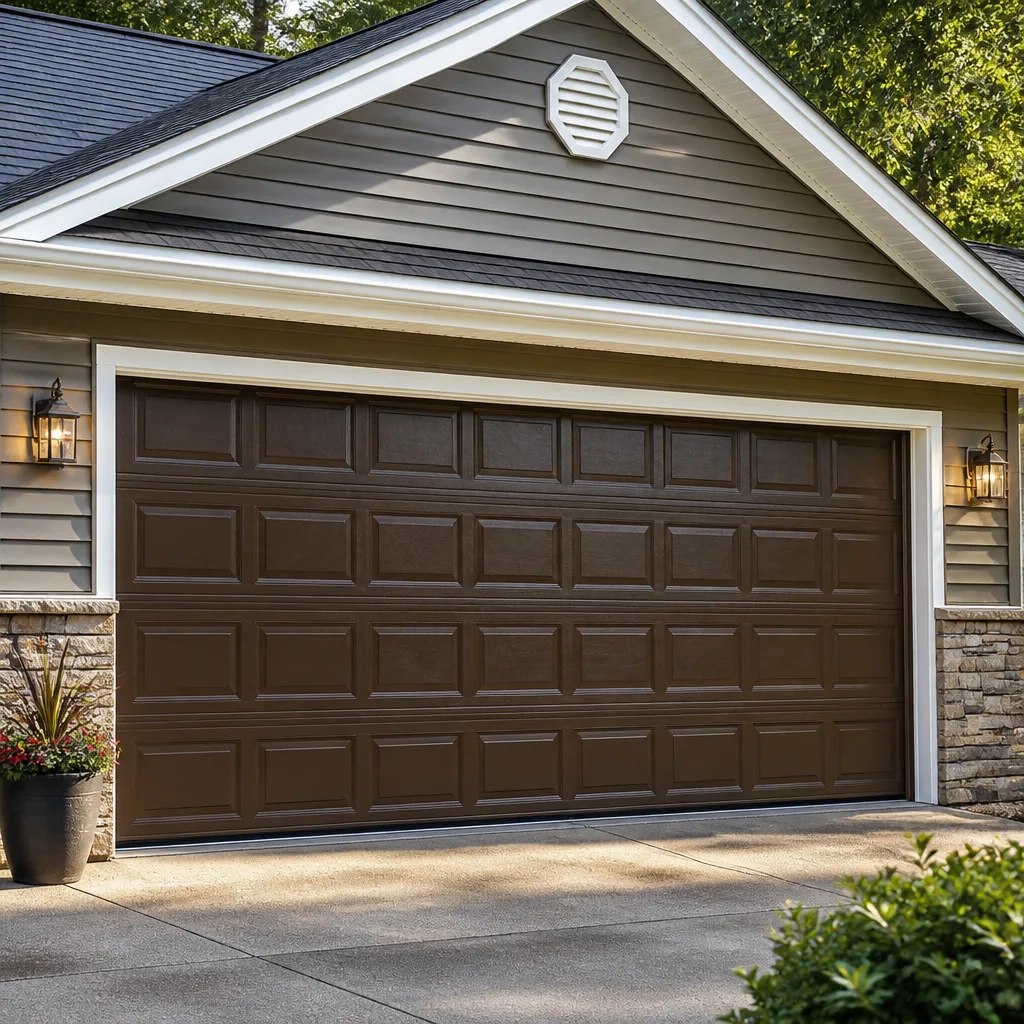 Raised-panel steel
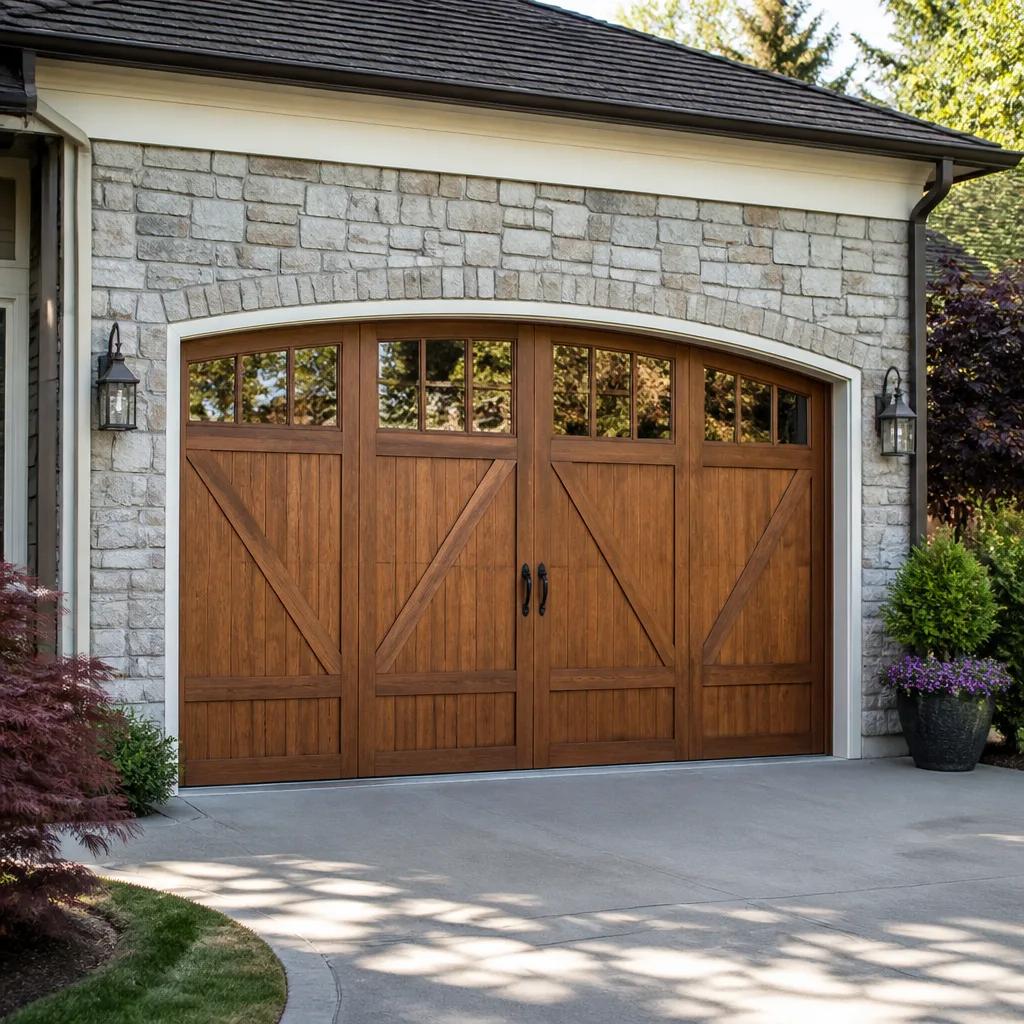 Carriage house
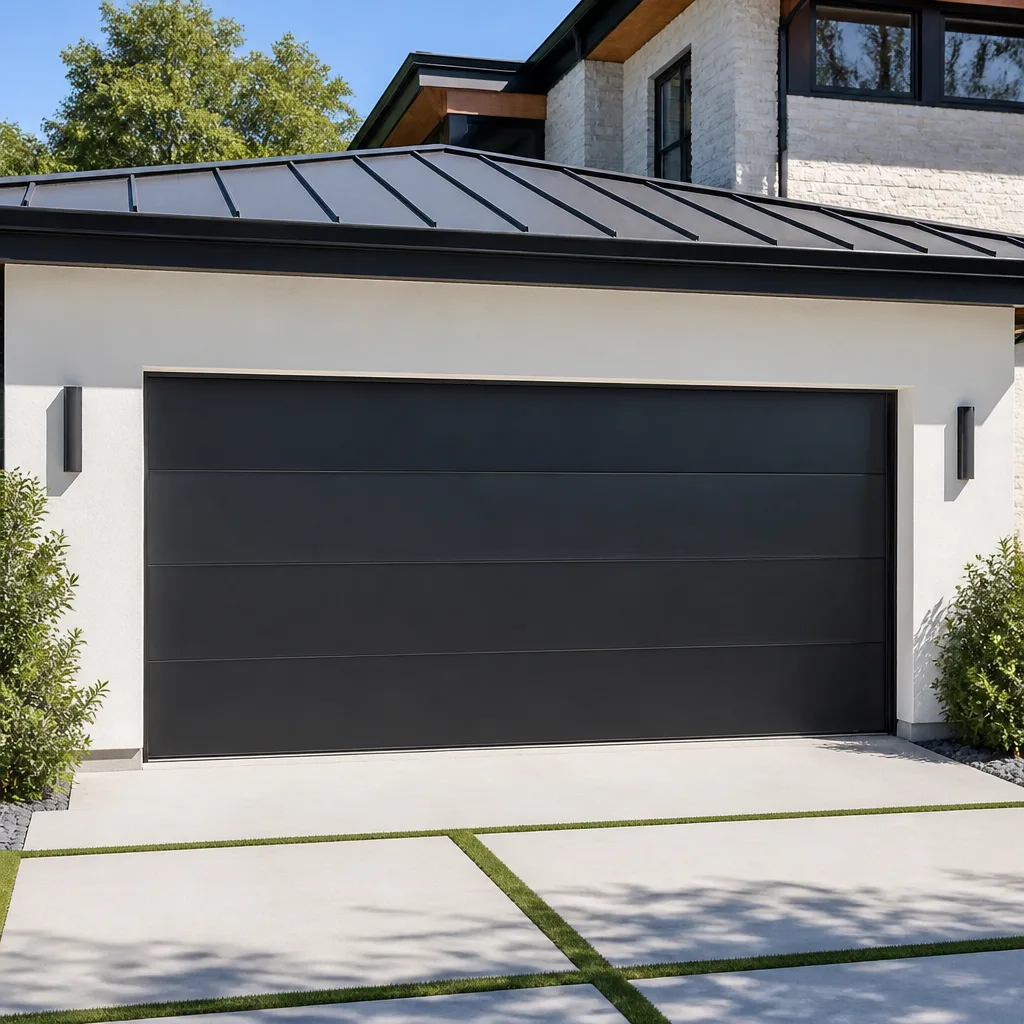 Modern flush
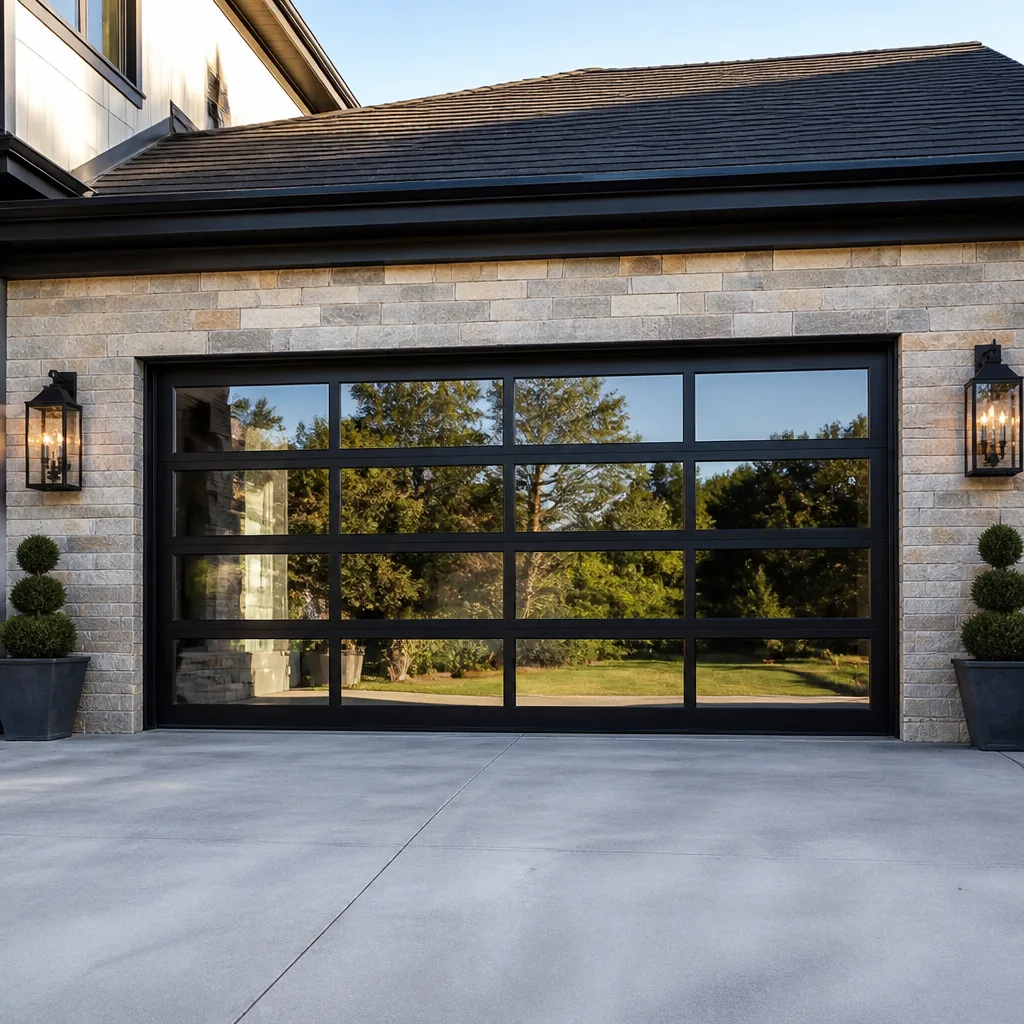 Full-view glass
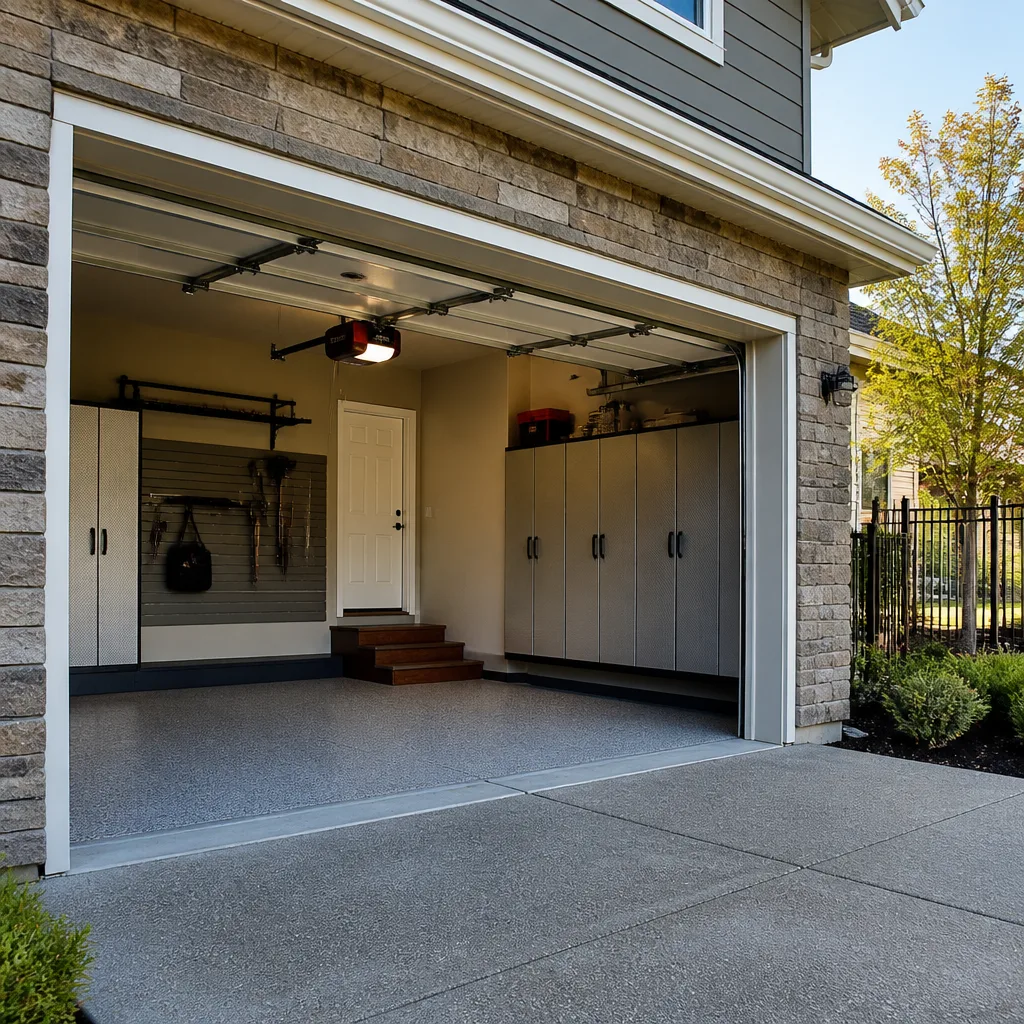 LiftMaster openers
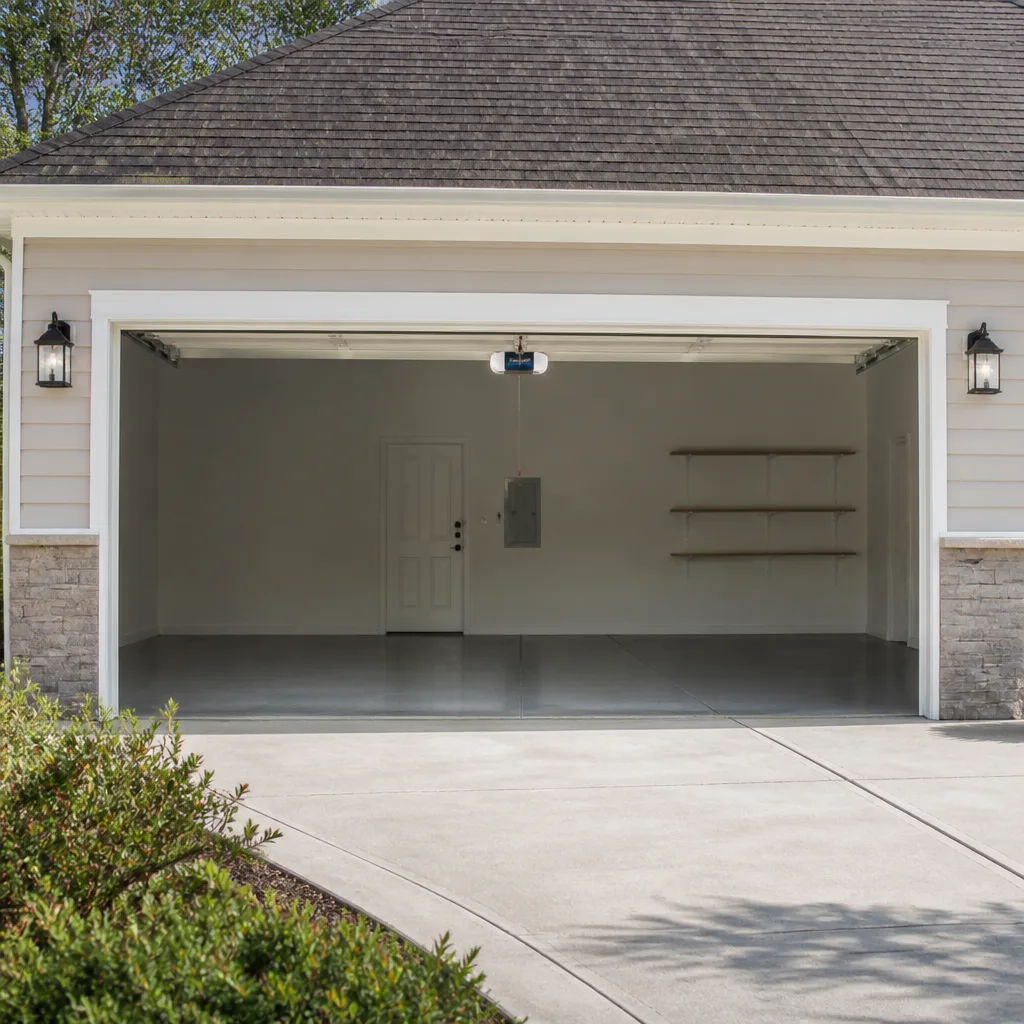 Chamberlain openers
Full 25-point door and opener safety check with every visit - springs, cables, rollers, tracks, and your LiftMaster or Chamberlain opener included
You get a price before we start. It does not change when the pro arrives.
Get your free estimateChoosing the Right Garage Door Brand: A Buyer’s Guide for Lynnwood
A garage door marketed as “insulated” often carries an R-value of 6.5, which sounds reassuring until you look at where that door is going. In an attached Lynnwood garage that shares a wall with living space, that rating is barely better than a bare steel panel by the standards building science now uses. Brand name won’t tell you that. The spec sheet will, if you know which numbers to read. That’s the whole problem with how most people shop for garage doors: they start with the logo on the showroom wall and work backward to the specs. This guide flips it. We’ll walk through how to read R-values for a Pacific Northwest climate, how panel materials actually hold up under months of rain, where each major brand’s hardware earns its keep or falls short, and how parts availability in Lynnwood can matter more than a marketing tier. By the end, you’ll be able to judge a door on what it does in this climate rather than what the brochure promises.
Quick Answer
For most Lynnwood homes, the right garage door brand is the one whose spec sheet matches your climate, not the one with the biggest ad budget. Look for an insulation value suited to an attached garage in a damp, cool climate, a steel gauge and coating that resist sustained moisture, and hardware from a maker who stocks parts locally so a failed spring or hinge doesn’t leave you waiting. Clopay and Amarr are the two most commonly specified brands for residential replacements in Lynnwood, but the model matters far more than the name on the door.
Styles & brands we work with
- Raised-panel steel
- Carriage house
- Modern flush
- Full-view glass
- LiftMaster openers
- Chamberlain openers
Table of Contents
- Why Brand Matters Less Than You Think in Lynnwood
- How to Read an R-Value Claim Accurately
- Panel Material Comparison Under Sustained Moisture
- Brand-by-Brand Hardware Quality
- What “Lifetime Warranty” Actually Excludes
- Parts Availability and Service Reality
- Matching a Door Brand to Your Opener
- A Step-by-Step Way to Choose
Why Brand Matters Less Than You Think in Lynnwood
Most garage door buying guides are organized around manufacturer tiers, as if there’s a prestige ladder and the job is to climb it. That framing works in a hot, dry climate where the door’s main enemy is sun. Lynnwood isn’t that place. Here the door spends half the year wet, sees temperature swings that work on seals and moving parts, and sits in a region where moss and damp are just a fact of the landscape. What a brand name tells you is far less useful than what its current spec sheet tells you about how the panels are built and what hardware comes bolted to them.
The brand still matters, but in specific, practical ways:
- Hardware quality – the rollers, hinges, springs and track that come standard with a door differ by maker, and that’s what fails first.
- Parts availability – when a hinge or a spring breaks, a brand with local distribution gets you fixed faster than one that special-orders.
- Warranty terms – the fine print on a “lifetime” warranty varies enormously between makers and is often where the surprises hide.
- Panel construction – steel gauge, coating and insulation method determine how a door holds up to Lynnwood’s wet season year after year.
Notice what’s not on that list: the logo. A well-specified Clopay door and a well-specified Amarr door covering the same opening, with the same insulation and hardware quality, perform comparably. A cheaply specified model from either brand performs poorly. The brand is a shorthand for a range of models, and the model is the thing you actually live with. That’s why we tell Lynnwood homeowners to shop the spec sheet first and treat the brand as a way to organize which spec sheets to compare. When you’re ready to look at what’s on your specific wall, our garage door repair team can tell you whether a repair makes more sense than a full swap.
How to Read an R-Value Claim Accurately
An R-value number tells you how well a door resists heat flow. The problem is that the number on the sales sticker and the number that actually describes how a door performs in a specific wall assembly are not always the same thing, and the gap trips up a lot of Lynnwood buyers. To read an R-value honestly, you need to know which version of it you’re being quoted and what threshold actually matters for your garage.
There are two layers to the confusion:
- Marketing R-value – the center-of-panel number a manufacturer advertises, often measured on the insulated core alone, not the whole door.
- Whole-assembly R-value – the value that accounts for the full door system including framing, seams and the joints between panels, and can be checked against a recognized building performance calculator.
The marketing number is usually the higher one. It describes the best-case spot on the door, not the door in place. When a manufacturer says “R-6.5” or “R-9,” it’s worth asking which of these two it means, because a door with a strong center-of-panel figure can lose a meaningful chunk of that performance through thermal bridging at the seams and edges.
Then there’s the threshold question. For an attached garage that shares a heated wall with the house, a low R-value is functionally uninsulated by modern standards. A door in the R-6 range is at the bottom of the market and does little to keep that shared wall warm. For Lynnwood’s cool, damp climate, where the garage often sits at or near the temperature of the house’s conditioned space, aim considerably higher. Doors in the higher single digits and low teens are available in both steel and polyurethane-core construction. The exact number depends on whether your garage is attached, whether the living space above or beside it is heated, and how much you care about the room on the other side of that wall staying comfortable. If the garage is detached and unheated, a lower R-value is defensible because there’s less to protect.
The practical takeaway: ask any seller, brand name aside, for the whole-door assembly R-value and ask what it’s rated against. If they can only quote the marketing figure, that’s a signal to push harder. Building science has moved past the center-of-panel number, and a Lynnwood door buyer should too.
Panel Material Comparison Under Sustained Moisture
Lynnwood’s wet season is long, and the door faces it on a nearly daily basis for months. That changes which panel materials make sense compared to a drier climate. Here’s how the main options behave when they’re wet a lot, and what to look for on the spec sheet for each.
Steel
Steel is the most common residential choice and the most forgiving if you buy the right grade. The key specs are gauge and coating. Thinner steel (higher gauge number) is lighter and cheaper but more likely to dent and harder to keep straight during a long damp season. Lower gauge is heavier and more rigid. The coating matters as much as the gauge. A good factory finish, whether a baked-on polyester that’s been applied correctly, is what keeps moisture off bare metal at the panel edges and the bottom rail where water collects. Poorly coated steel exposed to repeated moisture is where rust starts, and Lynnwood gives it plenty of chances.
Fiberglass
Fiberglass panels don’t rust, which is their main draw in a wet climate. But they can get brittle in cold, and a long, cold, wet stretch can make them more prone to cracking than steel or composite. They also tend to have lower insulation values unless they’re built with a foam core. In Lynnwood, fiberglass works better on overhead or detached structures where insulation matters less and the no-rust factor is the priority.
Composite
Composite panels resist moisture and won’t rot, which makes them a real contender for anyone who wants a wood-look door without the upkeep. The trade-off is cost and, on some products, a heavier panel weight that changes what the opener and springs need to handle. On a Lynnwood home, composite is often the smart middle path between steel and real wood, provided the hardware is matched to the door’s weight.
Real Wood
Real wood looks great and behaves poorly under sustained moisture unless it’s meticulously maintained. In Lynnwood it needs more attention than most homeowners want to give, because the constant wet-dry cycle works on the finish and the seams. If you go wood, plan on a maintenance schedule, not a one-time purchase.
The pattern across all four: the material choice is really a question of how much moisture resistance you’re buying and how much upkeep you’re willing to do. For most Lynnwood homes, well-coated steel with proper insulation hits the best balance, with composite as the upgrade when wood looks matter.
Brand-by-Brand Hardware Quality
Panel aesthetics are the easy part to compare in a showroom. Hardware is where the brands genuinely differ, and it’s the part that determines whether you’re calling for repairs in a couple of years or a decade. When we assess a door, we look at the springs, hinges, rollers and track first. Here’s how we think about the makers most often specified around Lynnwood.
Clopay
Clopay is one of the most commonly specified residential brands here and generally ships with solid, serviceable hardware. Their steel doors use a range of gauges, so the same brand covers both budget and better-built models, which is exactly why the model matters. Their higher-end lines come with hardware that holds up well, and because Clopay is widely distributed, parts are generally available without a long wait.
Amarr
Amarr competes directly with Clopay on residential steel and is a frequent choice for Lynnwood replacements. Hardware quality is comparable at the better model tiers, and their spring and hinge assemblies are well-matched to the door weights they’re sold with. Parts availability is generally good, though model-specific hardware can occasionally take longer than a common Clopay or Chamberlain opener part.
Wayne Dalton
Wayne Dalton’s residential line covers a lot of ground, from basic builder-grade doors to more substantial models. On their entry-level doors the standard hardware can feel lighter than it should, so a careful look at the model spec matters. Their better tiers are fine. As with all brands, the springs and rollers are where we look hardest.
CHI
CHI is a name more often found on custom and higher-spec residential work, and the hardware tends to reflect that. Their doors are often built with a stouter panel and heavier components, which is good for longevity but raises the stakes on getting the opener and spring pairing right. If a door is on the heavy side, the spring and opener spec has to keep up.
Across all four, the springs and the opener pairing are where most failures originate. Spring work on a heavy door is high-stakes work, and the brand on the panel tells you less than the diagnosis on the spring itself. If you’re hearing a bang or seeing a door that won’t lift, our garage door spring repair team treats it as the safety-critical job it is. For openers specifically, the same logic applies, and our garage door opener repair service covers the major brands.
What “Lifetime Warranty” Actually Excludes
Every brand offers a “lifetime warranty” on something, and almost none of them mean what a first-time buyer assumes. The word “lifetime” usually attaches to a specific part, under specific conditions, and the exclusions are often longer than the coverage. Before you let a warranty term push you toward one brand over another, read the fine print on four things.
- What part is covered. A “lifetime warranty” often covers the panels or the steel skin, not the springs, hinges, rollers or opener. Those moving parts are frequently the ones with short or limited coverage, and they’re the ones that actually fail first.
- Labor. Many warranties cover the replacement part but not the labor to install it. On a heavy door, the labor can be the larger cost, so “covered” can still mean a bill.
- Conditions and exclusions. Expect exclusions for damage that isn’t a manufacturing defect: impact, misapplication, improper installation, and sometimes any alteration to the door or opener. A warranty claim often hinges on proving the failure wasn’t caused by something else.
- Transferability. Some warranties travel with the door to a new owner. Some don’t. If you might sell the home, the fine print on transferability matters.
The practical move is to ask for the written warranty document, not the warranty summary, and read the exclusions section first. If a brand won’t hand over the full document before purchase, that’s useful information. In our experience, the warranty is a tiebreaker, not a reason to pick a brand. The door’s specs and the quality of its hardware matter far more to how the next several years actually go. A strong warranty on a poorly specified door still leaves you with a poorly specified door.
Parts Availability and Service Reality
A garage door is a system of moving parts, and moving parts fail. The brand that matters most at that moment is the one whose parts you can actually get. Parts availability is the unglamorous factor that rarely appears in brand comparisons, yet it decides how long a Lynnwood door sits broken. A snapped spring on a widely distributed brand can often be matched and replaced quickly. The same failure on a less-common model can mean a wait for a special-order part while your car sits in the driveway.
What we look for in a brand, from a service standpoint:
- Common, standardized hardware – standard roller sizes, hinge types and spring profiles that any competent technician can match without waiting on a factory.
- Local distribution – brands stocked by regional suppliers so a replacement part is a drive, not a shipment.
- Openers with parts support – LiftMaster and Chamberlain units, and older Genie and Craftsman models, generally have parts that are easy to source, which keeps opener repairs fast.
- Model documentation – a maker who publishes clear specs and part numbers makes diagnosis and repair cleaner for everyone.
This is why we tell Lynnwood homeowners that a slightly less famous brand with good local parts support can beat a prestige brand with none. When a spring breaks on a damp Tuesday morning, you don’t care about the brand’s ad campaign. You care whether the technician can put the parts in their hands and get your door working again. The brand that answers that question well is the right brand for your home, full stop.
Matching a Door Brand to Your Opener
The door and the opener are two systems that have to work together, and brand shopping often ignores the pairing. A heavy door on an opener rated for a lighter load is a recipe for premature opener failure and strain on the springs. This is where matching a new door to the existing or new opener matters more than the brand name on either.
Three things to check when you look at a door and opener together:
- Door weight and balance. A properly balanced door needs very little force to move. If the door is heavy and the opener is underrated, the opener works harder and wears faster, and the springs carry more load than they should.
- Opener capacity. Match the opener’s rated lift to the door’s weight and size. Larger or heavier doors need more capable units, and some models, particularly the heavier composite and CHI doors, need a closer look at the pairing.
- Brand compatibility for features. If you want smart-home integration, LiftMaster and Chamberlain openers have broad support for it. Older Genie and Craftsman units still running in plenty of Lynnwood homes may not, so plan for that if smart features matter to you.
The brand of the door and the brand of the opener don’t have to match. What has to match is the door’s weight and the opener’s capacity, and the springs have to be sized to both. When we look at a “door that won’t open,” the cause is often a mismatch in that chain, not a defective part. Getting a straight answer on whether your existing door and opener pairing is actually balanced is one of the fastest ways to avoid a repair bill you didn’t need.
A Step-by-Step Way to Choose
Here’s a practical sequence for choosing a brand in Lynnwood that puts the decision in the right order. Follow it and the brand choice becomes almost automatic, because you’ll be choosing the model that fits rather than the logo that advertises.
- Measure the opening and note the garage type. Attached or detached, heated or unheated. This decides how much insulation value actually matters.
- Set the insulation target. For an attached garage in Lynnwood’s climate, aim for a door whose whole-assembly R-value is well above the entry-level range. Ask for the assembly figure, not just the center-of-panel number.
- Choose the panel material for moisture. Well-coated steel with proper insulation fits most Lynnwood homes. Composite if you want a wood look without the upkeep. Fiberglass and real wood are situational.
- Compare hardware, not just looks. Ask what springs, hinges and rollers come standard, and check the model’s gauge and coating spec.
- Check parts availability. Ask the seller whether the model’s hardware is commonly stocked regionally, or special-ordered.
- Read the warranty document. Look at exclusions and labor coverage before treating the warranty as a selling point.
- Match the opener to the door. Confirm the door’s weight and the opener’s capacity are paired correctly, and size the springs accordingly.
Notice that brand names barely come up in that sequence. They enter at step four, where you compare what the top two or three candidates offer at the same spec. Clopay and Amarr are the two we most often see side by side for Lynnwood replacements, but a Wayne Dalton or CHI model can win on hardware depending on the door size and weight. Do the steps in order and you’ll know which brand actually fits your garage. Skip them and you’ll be choosing on the showroom wall.
Common Mistakes to Avoid
- Buying on the logo alone. The brand is a range of models. A cheap model from a good brand is still a cheap door. Always compare the specific model’s specs, not the manufacturer’s reputation.
- Trusting the marketing R-value. The center-of-panel number is usually the higher one. Ask for the whole-assembly figure and what it’s rated against, or you may buy an “insulated” door that’s effectively uninsulated for an attached Lynnwood garage.
- Ignoring the coating on a steel door. In a damp climate the finish is doing real work. A poorly coated door rusts at the edges and bottom rail while a well-coated one holds up, and the brand name won’t tell you which you got.
- Treating “lifetime warranty” as a headline. Read what part is covered, whether labor is included, and the exclusions. The moving parts that fail first often have the shortest coverage.
- Choosing a brand with no local parts support. A warehouse name that can’t get you a spring quickly costs you days of a non-working door. Check parts availability before you commit.
- Sizing the door without the opener. A heavy door on an underrated opener strains both systems and shortens the life of the springs. Match weight and capacity together.
- Assuming a new door is always the answer. Sometimes a good door just needs a spring or hinge repair. A brand change won’t fix a door that only needed hardware work.
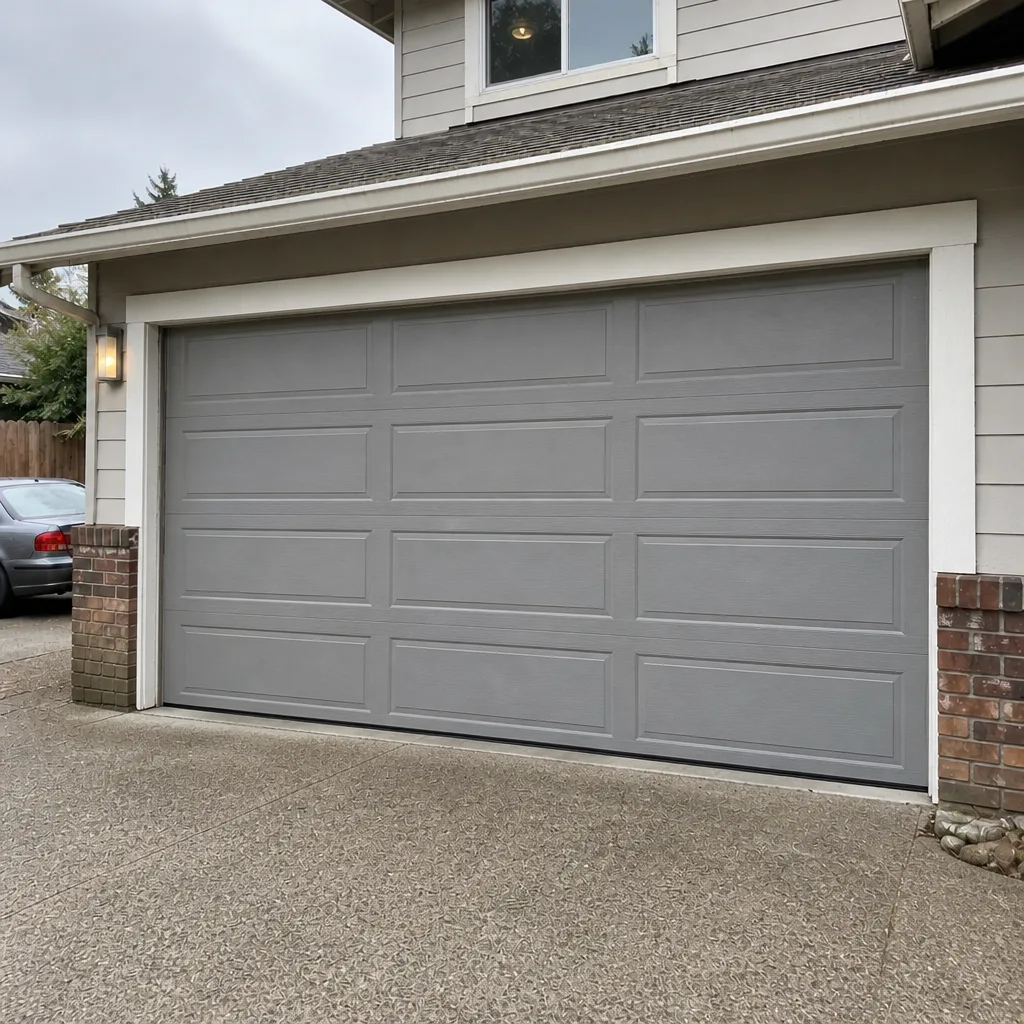
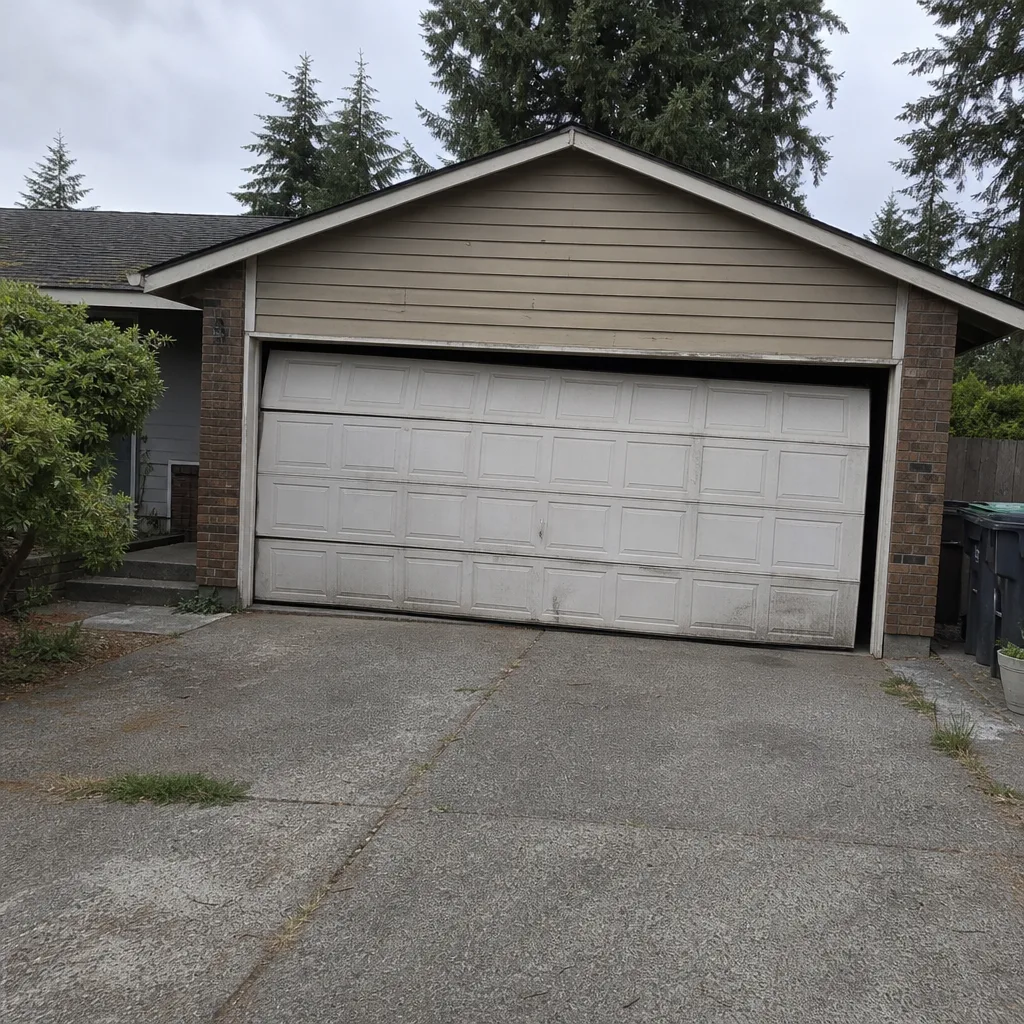
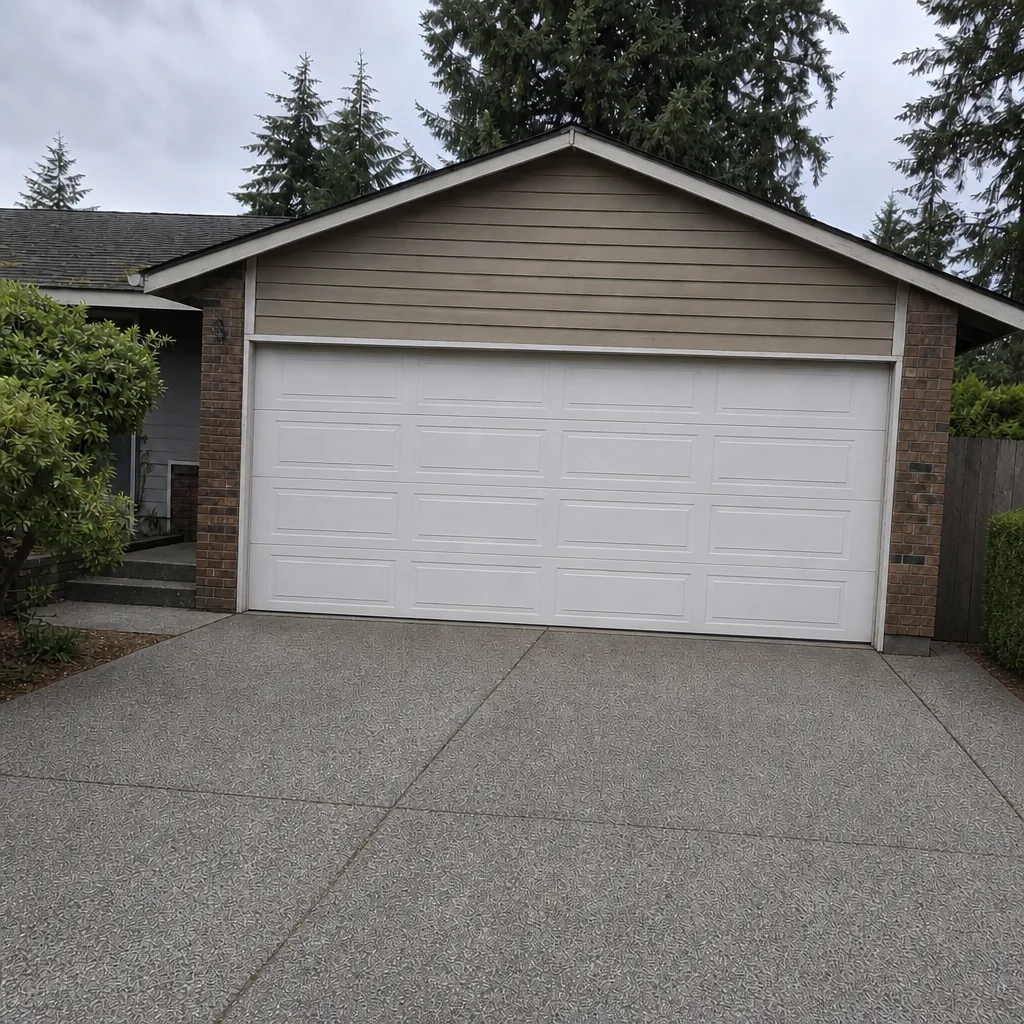
See the difference
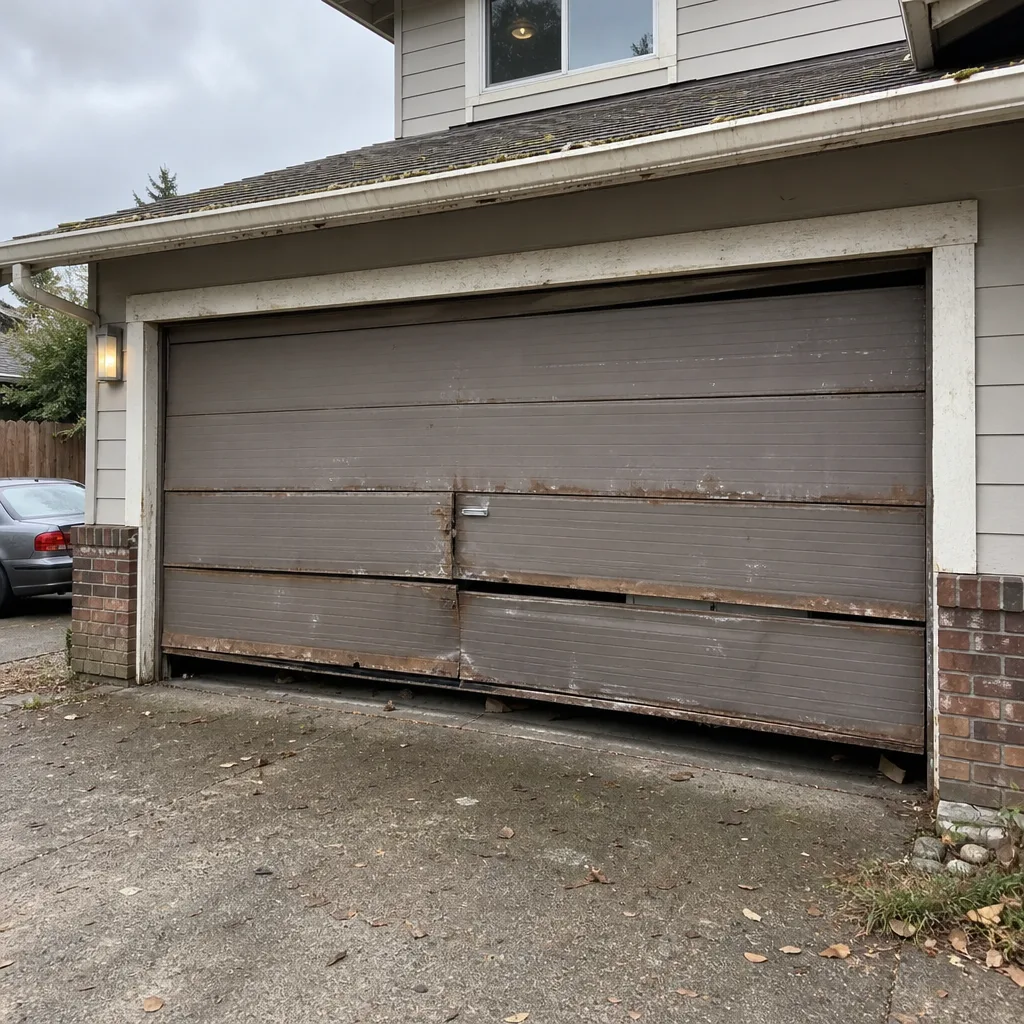 Before
 After
 Before
 After
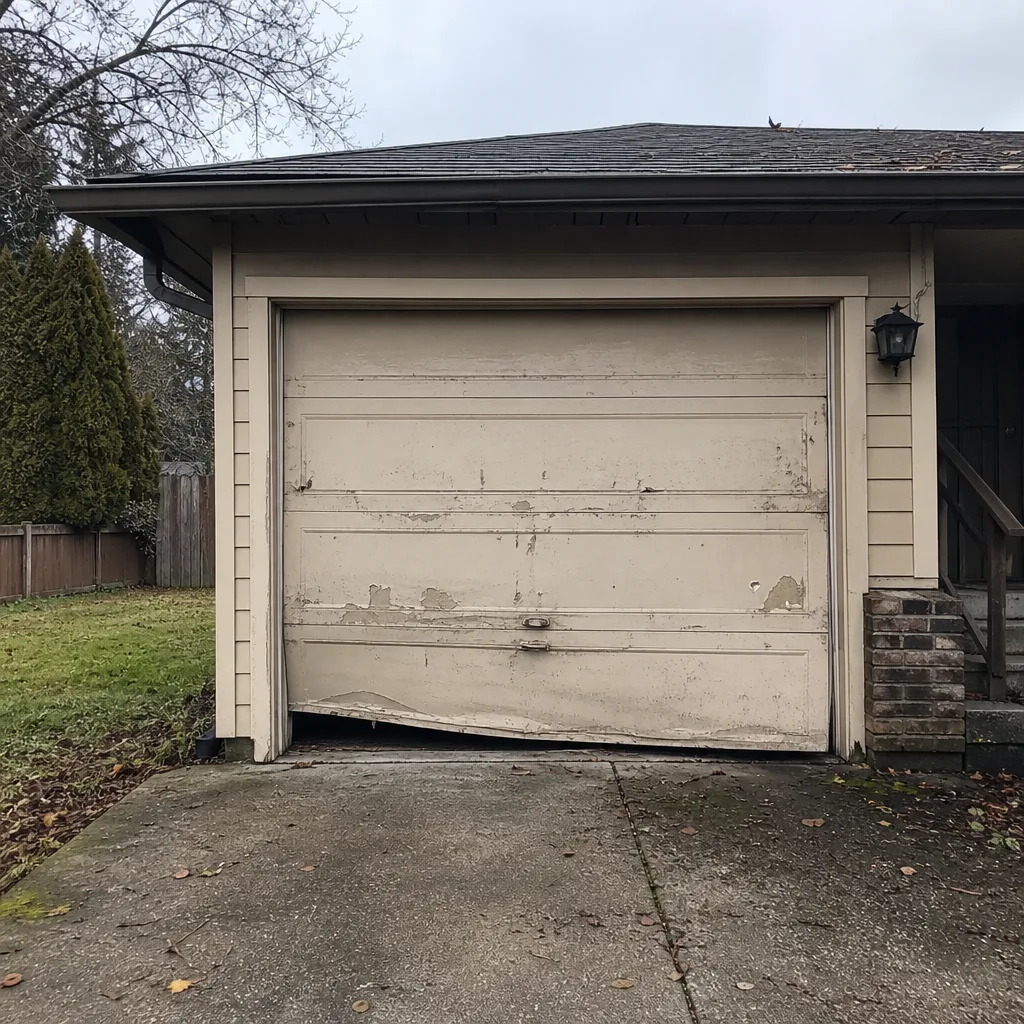 Before
 After
When to Call a Professional
Some of what this guide covers you can check yourself. A door that’s hard to lift, a bang from the spring area, a door that’s drifted off its track, or an opener that runs but doesn’t move the door are all signals to stop and get eyes on the hardware, not to force it. Spring work and opener diagnosis involve stored energy and load-bearing hardware that can injure someone who isn’t trained to work around it, so a trained technician should handle it. We work on the major brands and can tell you whether your door needs a repair or a replacement, and which brand actually fits your Lynnwood garage. Lynnwood Garage Door Repair Pros offers free estimates in Lynnwood. Call (855) 658-5277 to get a straight answer on your door and a written price before any work starts.
Frequently Asked Questions
There isn’t one universal best brand; the right choice is the model whose whole-assembly R-value, coating and hardware match Lynnwood’s damp climate and your garage type. For most attached-garage replacements here, a well-specified Clopay or Amarr model is a sensible starting point, but a Wayne Dalton or CHI model can win on hardware for heavier doors. Compare the spec sheet at the same tier before you compare the logo, and call (855) 658-5277 for a free estimate on your specific opening.
For an attached garage that shares a heated wall with the house, an R-6.5 door is functionally uninsulated by modern standards and won’t do much to protect that shared wall. Aim for a door with a much higher whole-assembly R-value, and ask for the assembly figure rather than the center-of-panel marketing number. If your garage is detached and unheated, a lower value is more defensible. Call (855) 658-5277 and we can help you work out what your garage actually needs.
Yes, and it’s the hardware, not the panels, where the difference shows up. Springs, hinges and rollers vary by maker and model, and those are the parts that fail first. Clopay and Amarr ship comparable hardware at their better tiers, Wayne Dalton’s entry models can use lighter components, and CHI tends toward heavier-duty hardware suited to larger doors. Compare the hardware spec at your model tier, and call (855) 658-5277 for an honest read on what’s on your door now.
Parts availability depends on the brand’s regional distribution, not its fame. Widely distributed brands like Clopay and Amarr and common opener brands like LiftMaster, Chamberlain, Genie and Craftsman generally have parts you can source quickly. Less common models may need a special order. Before buying a door, ask whether its hardware is commonly stocked locally. If yours has failed, call (855) 658-5277 and we’ll tell you the realistic timeline for parts.
No, the door brand and the opener brand don’t have to match. What has to match is the door’s weight and the opener’s rated lift capacity, with springs sized to both. If you want smart-home integration, LiftMaster and Chamberlain openers have broad support for it, while older Genie and Craftsman units may not. Call (855) 658-5277 to check whether your existing pairing is balanced or needs adjusting.
Repair usually makes sense when the panels, track and frame are sound and only hardware has failed, like a spring, hinge or opener part. Replacement makes sense when panels are rusting, the structure is damaged, or the door is too poorly insulated for your attached garage. Brand choice only enters the picture at replacement. Call (855) 658-5277 and we’ll give you a straight answer on which way your Lynnwood door should go, with a written price before any work starts.
The Bottom Line
The right garage door brand for a Lynnwood home is the model whose spec sheet actually matches this climate, not the one with the loudest marketing. Insulation value should be read as a whole-assembly figure, not a center-of-panel number, because in a damp, attached garage the difference is real. Panel material matters for how the door handles months of moisture, and steel coating and gauge decide how it ages. Hardware quality and local parts availability decide how fast a failure gets fixed, which is what you’ll care about when it happens. Read the warranty exclusions, match the opener to the door’s weight, and treat the brand as a way to organize spec sheets rather than a reason to choose. Do that, and the right brand for your Lynnwood garage tends to pick itself.
Contact
For a free estimate on your door, whether it’s a spring, an opener, or a full replacement, call Lynnwood Garage Door Repair Pros at (855) 658-5277. Our technicians have up to 12 years of experience, we work on the major garage door and opener brands, and estimates are free. We’ll check the door in front of you and give you a written price before any work starts, so you know what the number is before you say go.
Written by the team at Lynnwood Garage Door Repair Pros.