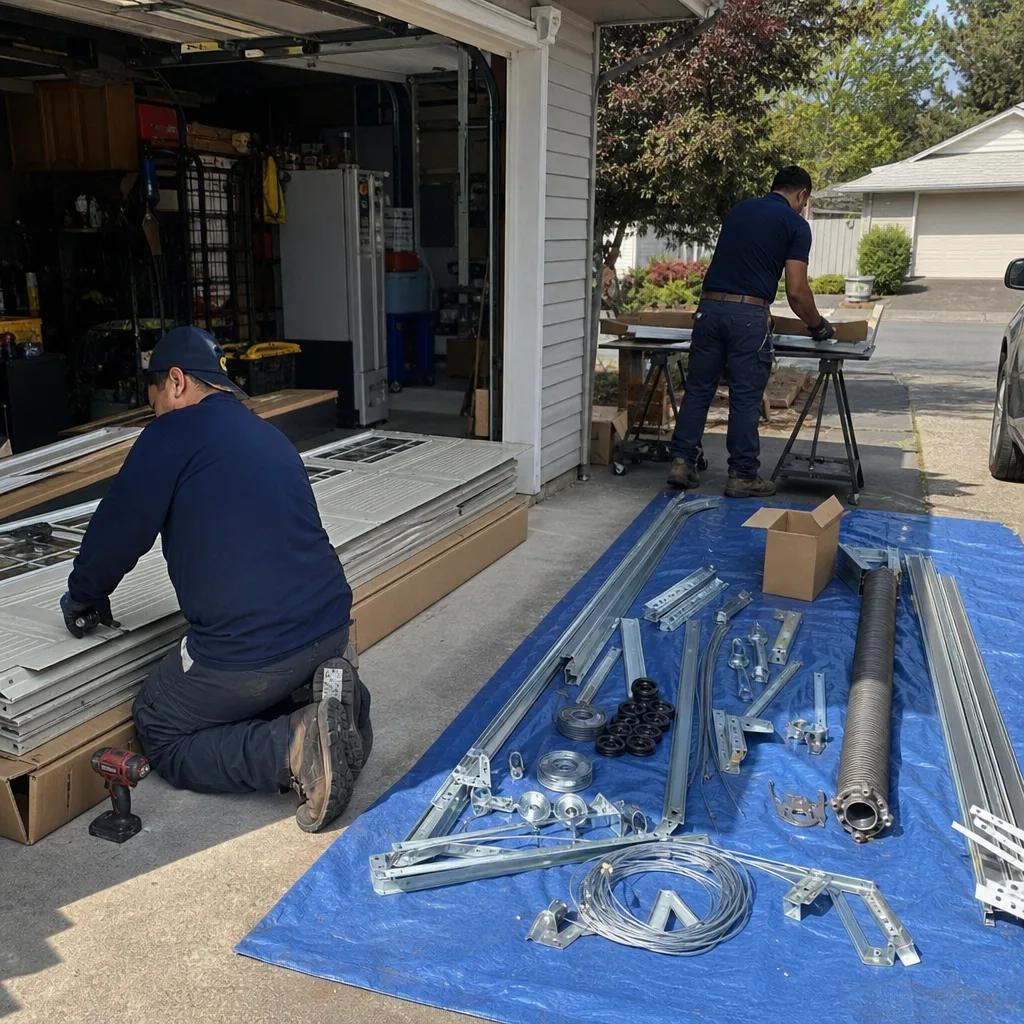
Last updated November 24, 2026
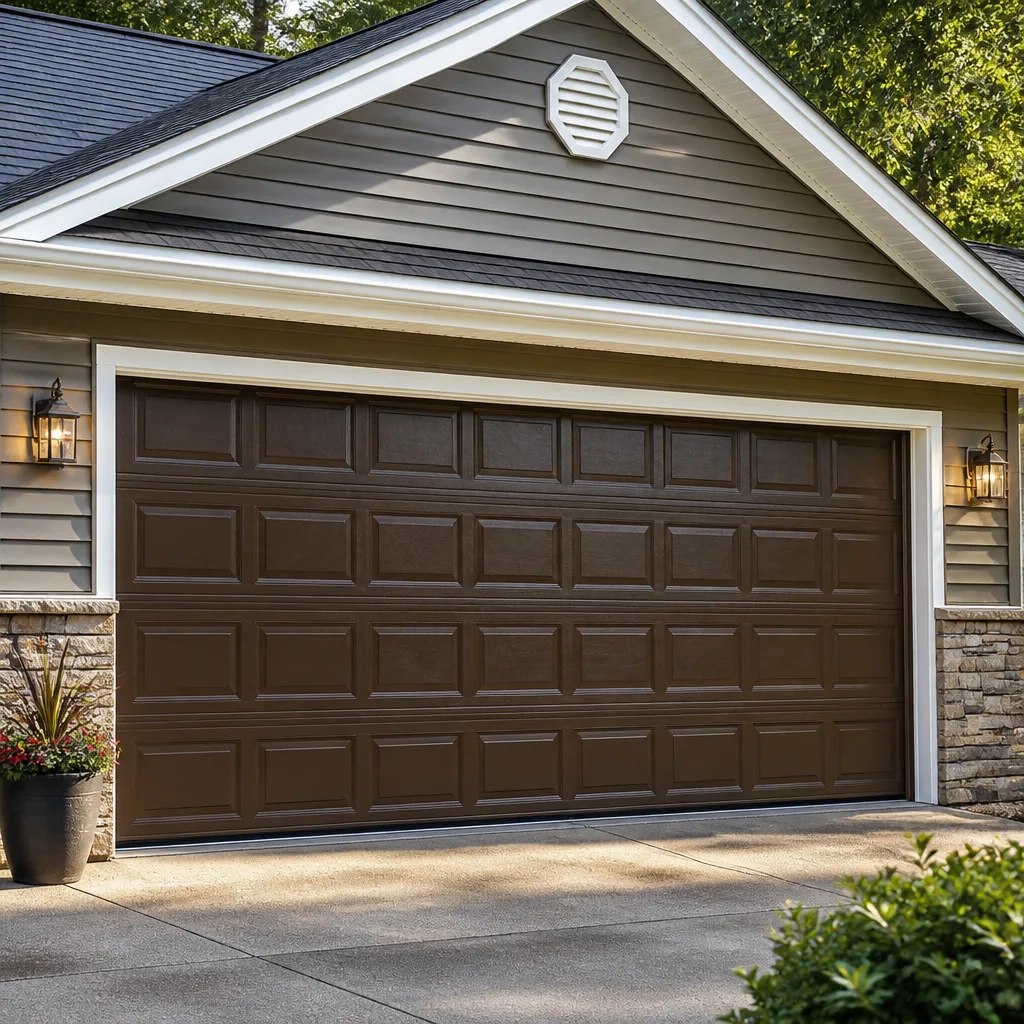 Raised-panel steel
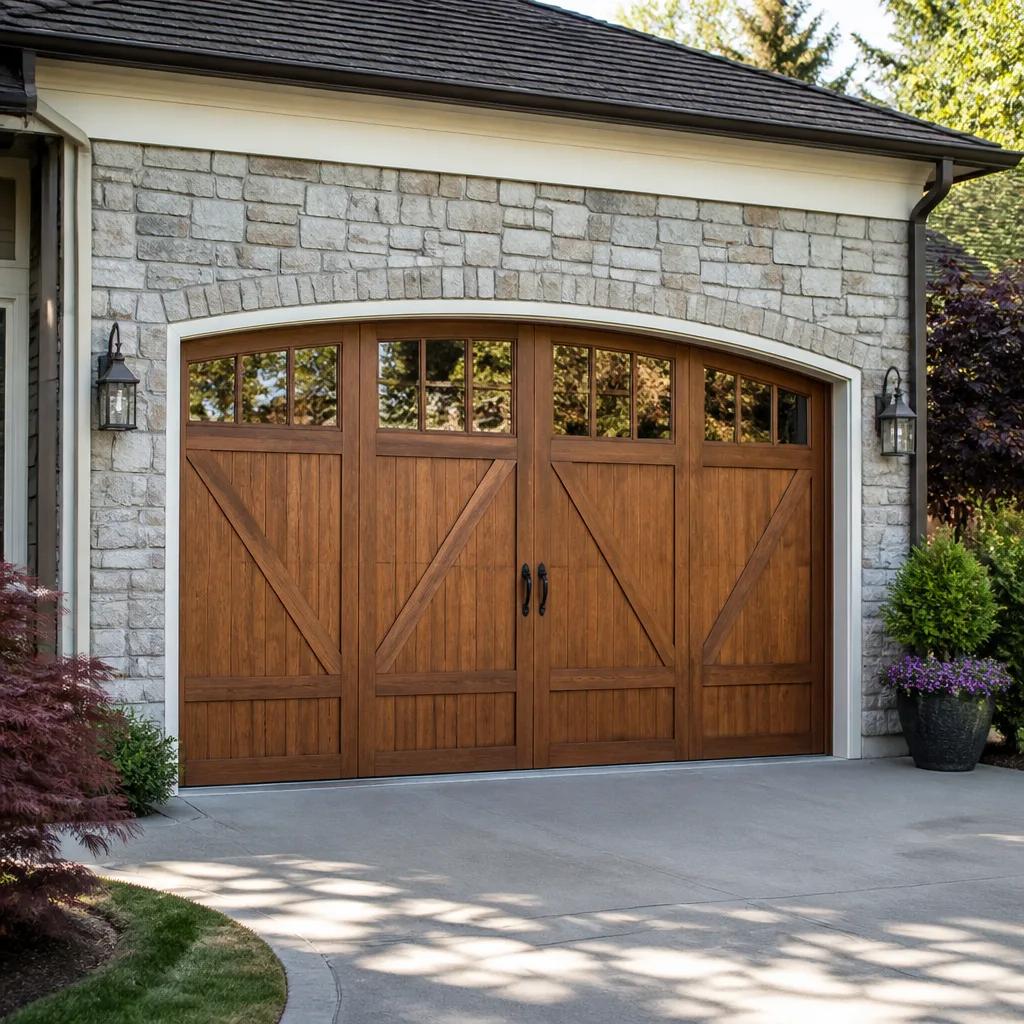 Carriage house
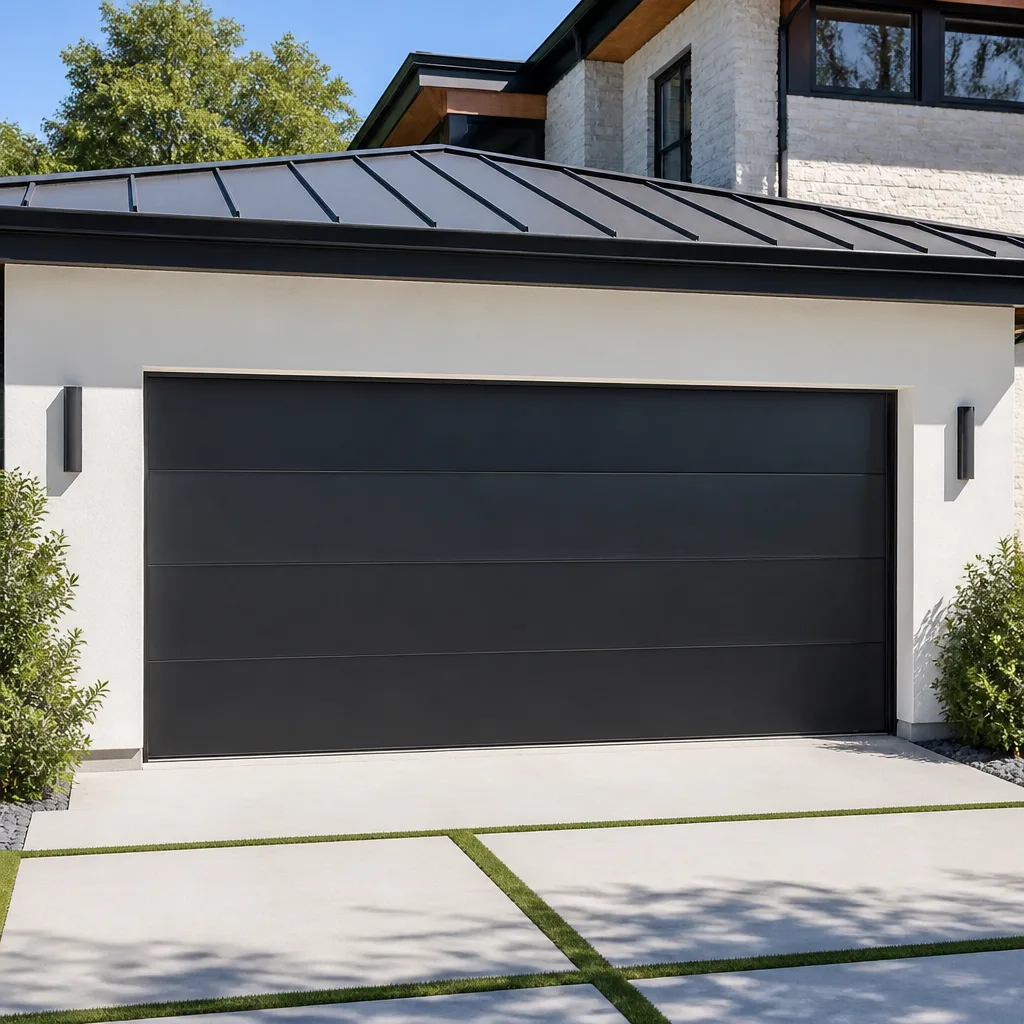 Modern flush
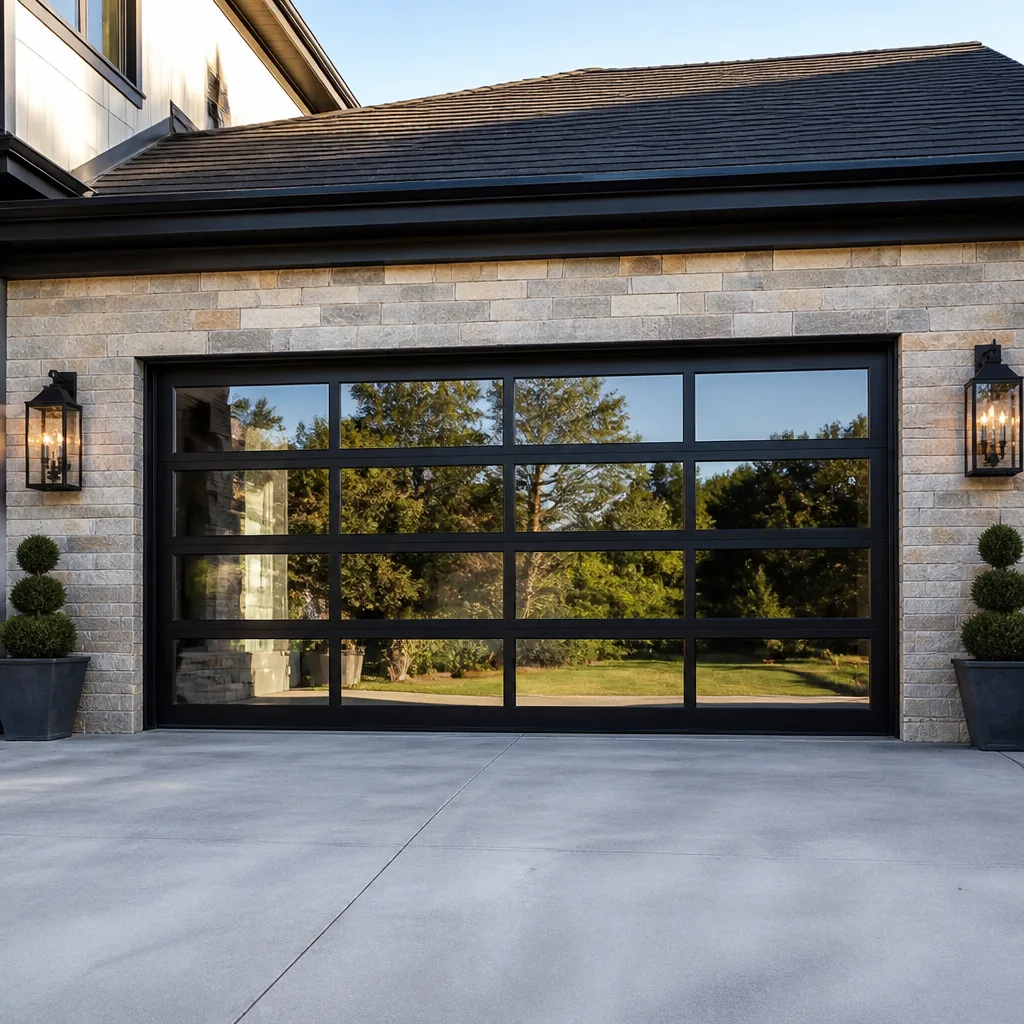 Full-view glass
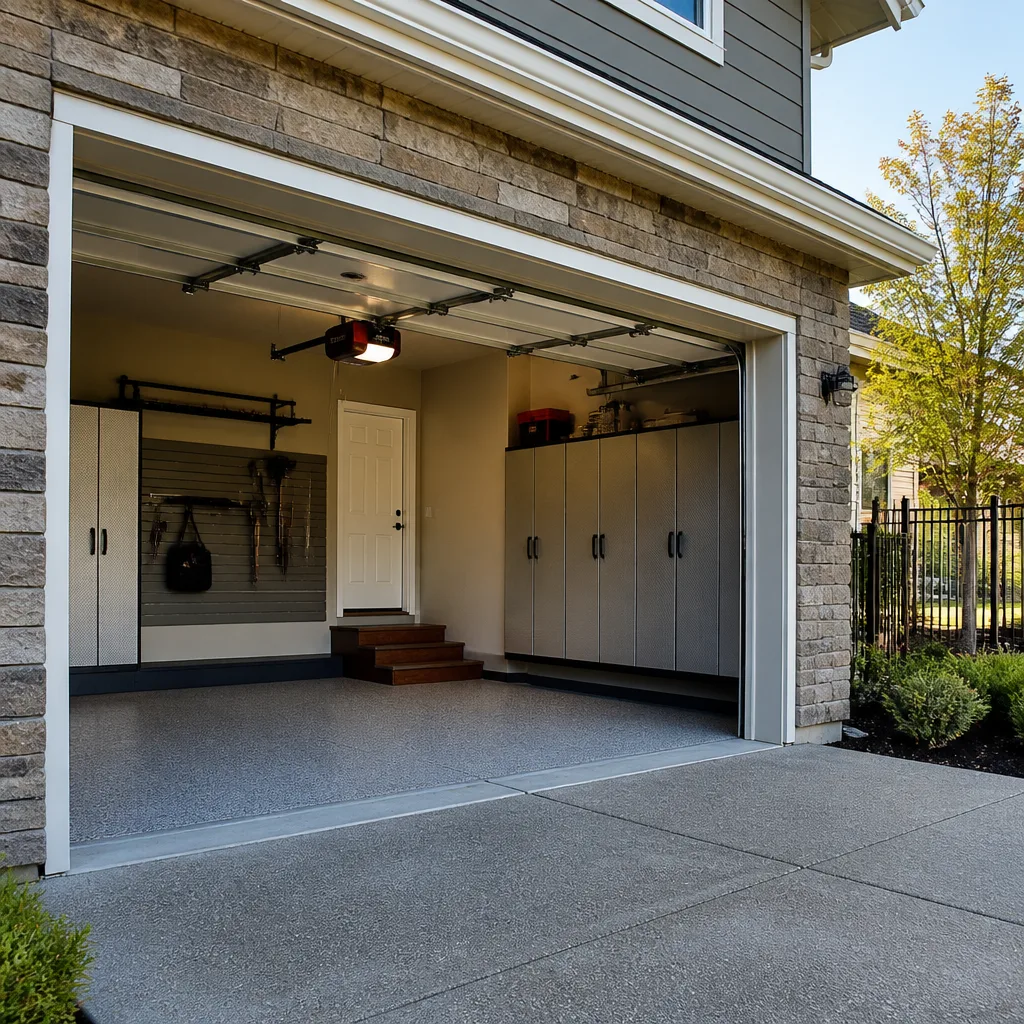 LiftMaster openers
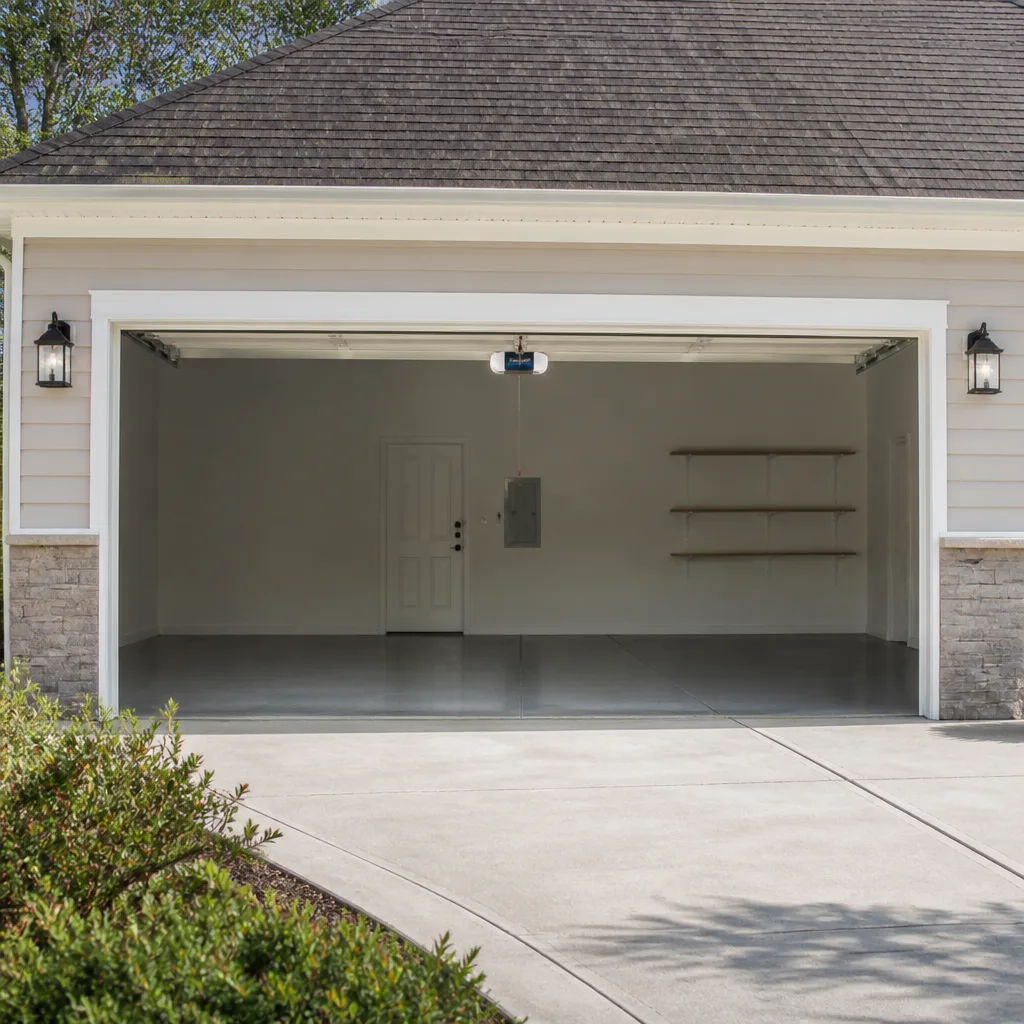 Chamberlain openers
Full 25-point door and opener safety check with every visit - springs, cables, rollers, tracks, and your LiftMaster or Chamberlain opener included
You get a price before we start. It does not change when the pro arrives.
Get your free estimateThe Complete Guide to Garage Doors in Lynnwood
A garage door is the heaviest moving object in most Lynnwood homes, and it’s the one piece of equipment homeowners touch more often than their furnace, water heater, or dishwasher. It runs in the rain, in the dark, and in the cold, and it does it thousands of times a year. Yet almost nobody knows what’s actually inside it. That gap between daily use and zero understanding is where most expensive repair bills begin. A spring that’s been telling you something for months finally snaps. A cable that’s been quietly fraying lets go. By the time the door won’t open, you’re not diagnosing a problem, you’re reacting to one.
This guide treats your garage door as what it really is: a mechanical system with parts that wear in predictable ways. We’ll walk through the components that actually matter, how Lynnwood’s wet winters change their lifespan, the real difference between a $150 repair and a $400 one, and how to decide whether to fix, replace, or upgrade. By the end, you’ll be able to look at your door and understand what you’re seeing.
Quick Answer
A garage door in Lynnwood is a counterbalanced mechanical system built around either torsion springs (mounted on a shaft above the door) or extension springs (running along the tracks), and which one you have determines both repair cost and complexity. Most doors need spring service every 7 to 12 years, opener service every 8 to 12 years, and minor tune-ups annually. Wet Pacific Northwest winters accelerate wear on cables, bottom seals, and untreated wood panels, so a Lynnwood door benefits from an annual inspection more than a door in a dry climate does. Emergency calls, in our experience, almost always trace back to a worn part that could have been replaced months earlier.
Styles & brands we work with
- Raised-panel steel
- Carriage house
- Modern flush
- Full-view glass
- LiftMaster openers
- Chamberlain openers
Table of Contents
- How a Garage Door Actually Works
- Torsion vs. Extension Springs: The Difference That Changes Your Bill
- How Lynnwood’s Wet Winters Change What Wears Out
- Component-by-Component Lifespans in Pacific Northwest Conditions
- What “Multi-Brand Service” Actually Means in Practice
- Repair, Replace, or Upgrade: The Decision Tree
- Smart Openers and What They Actually Buy You
- An Annual Maintenance Routine That Works
How a Garage Door Actually Works
A sectional garage door isn’t one big panel. It’s a stack of four to eight horizontal panels joined by hinges that fold as the door travels up a curved section of track and then slides back along a horizontal rail toward the ceiling. The opener doesn’t lift the weight of the door, and that’s the single most misunderstood point about the whole system. A door that weighs 150 to 300 pounds would fry any residential opener if the motor had to lift it directly.
What actually lifts the door is the counterbalance system: springs that store energy as the door closes and release it as the door opens. The opener’s job is only to push and pull a door that the springs already want to move. When the springs lose tension, the opener takes the load, and that’s when you hear grinding, straining, or the door stopping halfway up. Understanding this changes everything about how you read a symptom.
Every door has the following core components:
- Springs – torsion or extension, the actual lifting force
- Cables – steel cables that connect the door’s bottom corners to the spring system and keep the whole thing level
- Drums – torsion systems only; spool the cables as the door moves
- Rollers – wheels that ride inside the track, usually nylon or steel
- Hinges – metal plates joining the panels, numbered by position
- Tracks – vertical, curved, and horizontal rails
- Bottom seal – the rubber or vinyl strip that meets the floor
- Safety sensors – the paired photo-eye units at the door’s opening
- Opener – motor, drive rail, and drive system (belt, chain, or screw)
Each of those parts has a different failure curve, which is why a “garage door problem” is rarely one thing. A door that stops three feet up could be a broken spring, a slipping coupler, a warped track, or a stretched belt. In Lynnwood, where temperatures swing from wet and mild to frosty for stretches of the winter, all of those parts cycle through expansion and contraction seasonally, which slowly works metal and rubber loose. The door is a system; the fix is only right when it addresses the actual failing component.
Torsion vs. Extension Springs: The Difference That Changes Your Bill
Torsion springs sit on a steel shaft mounted to the wall above the door, and they twist as the door moves. Extension springs hang in pairs along the horizontal tracks on either side of the door, and they stretch as the door closes. They are not interchangeable, and the cost of replacing one can be more than double the cost of replacing the other, largely because torsion work requires more careful setup, heavier tooling, and winding the spring to a very specific tension.
Why does this matter in Lynnwood specifically? Because a lot of Lynnwood homes, especially the split-levels and older ramblers built through the mid-twentieth century, were built with low-headroom garages. That’s a garage with limited vertical clearance above the door, sometimes because of a beam, plumbing, or a room above. Low-headroom garages often use torsion springs with a low-clearance drum, or in some cases a rear-mount torsion setup. When a homeowner assumes they have extension springs because that’s what the neighbor has, the estimate conversation starts on the wrong foot.
The mechanical differences look like this:
- Torsion springs lift the entire door through cables and drums; the load is balanced across two independent springs on one shaft.
- Extension springs work in pairs on the sides; each spring lifts half the door, but they operate independently, which means unequal wear can pull the door out of level.
- Torsion springs are quieter and last longer in most cases, because the twisting action is gentler on the wire than the stretch-and-snap of extension springs.
- Extension springs need safety cables running through the middle of each spring, so if a spring breaks, it can’t fly across the garage. Many older Lynnwood homes still have extension springs without these cables, and adding them is one of the smallest, highest-value upgrades available.
- Torsion spring replacement costs more per spring, typically because of the labor and precision involved rather than parts cost, and it takes longer because the shaft has to be de-tensioned and re-tensioned correctly.
Both spring types are dangerous. A tensioned torsion spring or a stretched extension spring stores enough energy to cause serious injury if it releases unexpectedly. This is genuinely not a DIY job, and the right move is always to have a trained technician handle it. That’s why we treat garage door spring repair as its own discipline, with its own safety procedures, separate from the routine tune-up work.
How Lynnwood’s Wet Winters Change What Wears Out
Lynnwood sits in the Puget Sound lowlands, which means mild, wet winters, wet springs, and a fairly narrow temperature band compared with the rest of the country. That’s good for some parts of the garage door and hard on others. A door in Phoenix sees huge temperature swings and bakes in dry heat. A door in Lynnwood sees constant moisture, occasional frost, and long stretches where the door sits at a cool, damp 38 degrees for weeks. The wear patterns are noticeably different.
Here’s how the wet climate changes the equation on specific components:
- Steel cables corrode faster here than they do in dry climates. The cable runs tight against the drum and around pulleys, and moisture trapped in a small gap becomes rust, which weakens the strands. A cable that would last a decade in a dry climate can fail years sooner in Lynnwood if the door is exposed to the weather or the garage is unheated.
- Bottom seals take the brunt of the moisture. The seal sits against a concrete floor that wicks water during the wet months, and rubber or vinyl seal breaks down faster when it’s constantly damp. A failing seal lets water into the garage, which then affects everything else.
- Wood panels absorb moisture and swell. Older Lynnwood homes with wood sectional doors often see the bottom panels taking on water first, since that’s where splash-back and pooled water reaches. Swollen panels can bind in the track, which loads the opener unnecessarily.
- Steel panels with a factory finish hold up well as long as the paint layer stays intact. Chipped paint on a Lynnwood door is more than a cosmetic problem, because bare steel exposed to months of moisture will rust and eventually pit.
- Rollers and hinges cycle through temperature changes and pick up grit from the concrete floor, so they wear slightly faster than in a stable-dry climate.
- Track alignment is more sensitive here too, because a wood-frame garage that absorbs moisture through the wet months will expand and contract seasonally. Tracks that were perfectly aligned in summer can shift by millimeters, and that’s enough to make a door drag.
None of this is catastrophic on its own. But it means that a Lynnwood door rewards regular inspection more than one in a drier place. An annual look at cables, seals, and the bottom panel catches most of what this climate accelerates.
Component-by-Component Lifespans in Pacific Northwest Conditions
Realistic lifespans for garage door parts under Lynnwood conditions:
- Torsion springs: typically 7 to 12 years, shorter if the door is used heavily
- Extension springs: typically 5 to 10 years, and the pair should be replaced together
- Cables: typically 10 to 15 years, but shorter in a wet, unheated garage
- Rollers: typically 5 to 10 years depending on material (nylon lasts longer, steel lasts shorter)
- Bottom seal: typically 3 to 7 years, with wet climate pushing toward the shorter end
- Hinges: typically 10 to 15 years if lubricated; faster wear on a door used dozens of times a day
- Opener motor and drive: typically 8 to 12 years
- Safety sensors: usually last the life of the opener, but alignment drifts with age
- Steel panels with factory finish: 15 to 20 years, longer if paint is repaired promptly
- Wood panels: 15 to 25 years with regular resealing; much less if moisture gets in
Those numbers assume a door used twice daily by a family. A door that opens six times a day, which is common in a household with multiple drivers leaving at different times, will see spring and opener wear earlier. A door that’s rarely used in a single-person household can stretch the top of each range.
One overlooked factor in Lynnwood: many of the city’s older neighborhoods sit on lots that drain toward the garage or that have garages on a slope. A bottom seal that’s in a puddle every winter wears much faster than one on a dry lot. If your garage floor gets standing water during the wet months, expect the seal to be at the shorter end of that range.
What “Multi-Brand Service” Actually Means in Practice
A lot of garage door companies say they service “all brands.” What that usually means is that they’ll accept a job on a brand they don’t really know, and figure it out when they arrive. What it should mean is that the technician already knows the quirks of the system before looking at it, because they’ve worked on that brand repeatedly and know what fails first.
At Lynnwood Garage Door Repair Pros, we work on the eight major residential brands – LiftMaster, Chamberlain, Genie, Clopay, Amarr, Wayne Dalton, Craftsman, and Raynor. That coverage matters more than it sounds, because each brand has its own failure patterns and its own part compatibility issues:
- Openers (LiftMaster, Chamberlain, Genie, Craftsman) have different gear assemblies, drive rail styles, and safety sensor layouts. A LiftMaster belt-drive and a Genie screw-drive need completely different repair approaches. Older Craftsman units still running in millions of homes have their own quirks around the travel limit adjustments and safety sensor compatibility.
- Door panels and hardware (Clopay, Amarr, Wayne Dalton, Raynor) have brand-specific hinge and roller specifications. A Clopay hinge is not always interchangeable with a Wayne Dalton one, and forcing a fit is how you end up with misalignment.
- Raynor and Amarr are common in older construction around the region, and knowing their door profiles helps when a panel needs to be matched rather than replaced as a set.
- Smart-home integration is brand-specific too: LiftMaster and Chamberlain openers use one ecosystem, Genie another, and the pairing process differs.
The point is that brand fluency is a real technical skill, not marketing. A technician who knows LiftMaster gear assemblies and Clopay panel profiles can diagnose faster, carry the right parts the first time, and avoid the “we’ll have to come back with the part” second visit that doubles the timeline on a repair. That’s what single-source service actually buys you: diagnosis, parts, and labor all resolved by the same team.
We also run garage door opener repair as a standalone service, which matters because opener problems are often misdiagnosed as door problems. A door that reverses immediately, for example, is usually a sensor alignment issue, not a door issue at all. Getting the diagnosis right the first time is the difference between a quick fix and a running bill.
Repair, Replace, or Upgrade: The Decision Tree
Most homeowners face this question eventually, and the wrong answer in either direction is expensive. Replacing a door that has years left wastes money. Repairing a door that’s structurally done wastes more. Here’s the decision process we work through with every customer:
- Is the door structurally sound? If the panels are rusted through, water-damaged to the point of structural softness, or bent beyond straightening, repair is temporary. Replace.
- Is the cost of repair approaching 50 percent of a full installation? If the springs, cables, and opener all need work at the same time, the math starts favoring a new installation that includes new hardware and a warranty.
- Are the tracks and hardware original? A door that’s had multiple repairs over the years but still has its original tracks and hinges is likely to keep producing small problems. A new installation resets that cycle.
- Is the door satisfying a need the current one can’t? If the homeowner wants insulation, a different appearance, or a stronger security rating, repair won’t deliver it. That’s a replacement decision.
- Is the door safe? Auto-reverse failure, sensor malfunction, or a structural issue that can’t be corrected is a replace-now situation.
In our experience, the honest answer in Lynnwood is that most doors under 15 years old with a single failing part should be repaired, and most doors over 20 years old with multiple simultaneous failures should be replaced. The middle zone is where a technician’s judgment matters. “Repair or replace” isn’t a sales pitch; it’s a diagnostic decision, and a good company will tell you which one actually makes sense rather than which one pays better.
We provide garage door repair as a service precisely because sometimes repair is the right answer, and it deserves the same seriousness as a full installation. If the door can be saved, we’ll say so.
Smart Openers and What They Actually Buy You
Smart openers are the biggest real change in residential garage door hardware in the last decade, and they’re worth thinking about honestly. An opener that connects to your phone and integrates with a smart-home system is genuinely useful – getting a notification that the door was left open, closing it remotely, letting a delivery driver in without a code. It’s not a gimmick.
What it doesn’t do is make the door last longer or fix the mechanical parts. A smart opener on a door with a failing spring will still fail; the motor just works harder trying to compensate until the unit shuts down. If your current opener is more than 10 to 12 years old and starting to strain, upgrading to a modern unit at the same time as a spring replacement often makes more financial sense than replacing the opener separately a year later.
A few practical considerations for Lynnwood homes:
- Belt-drive openers are quieter and worth considering if there’s a bedroom above the garage, which is common in Lynnwood split-level homes.
- Battery backup matters during storm season when power can go out. A door you can open during an outage is worth having, especially if the garage is your only entry.
- Smart-home compatibility varies by ecosystem: LiftMaster and Chamberlain integrate well with the major home automation platforms; Genie has its own app; some older Craftsman and Raynor units are not smart-compatible at all unless you add an accessory module.
- Code-based access is one of the most useful features and one of the least understood. It’s the ability to issue a temporary code to a family member, contractor, or caregiver rather than sharing the master code.
Whether or not a smart upgrade is a good move depends on the rest of the door’s condition. If the door is 5 years old and running clean, upgrading the opener alone makes sense. If the door is due for a full replacement anyway, ordering the door with a new opener is the economically efficient choice and gets you a single installed package. We’re happy to look at the whole picture and tell you which option actually makes sense.
An Annual Maintenance Routine That Works
A garage door doesn’t need much, but it needs the small amount done consistently. Here’s what we recommend for Lynnwood homeowners, once a year:
- Test the auto-reverse. Put a board, a brick, or a rolled-up towel on the floor under the door and close it. When the door hits the obstacle, it should reverse immediately. If it doesn’t, stop using the door until it’s fixed.
- Test the safety sensors. With the door open, stand in the path of the sensors and press the close button. The door should not move. If it does, the sensors need alignment or replacement.
- Look at the cables. The two cables running along the sides near the bottom corners should be taut and clean. Any fraying, rust, or slack is a sign of a problem that should be looked at by a technician.
- Look at the springs. Torsion springs are on the shaft above the door; extension springs run along the horizontal tracks. Look for visible gaps or coils that look stretched. Don’t touch either one – just look.
- Check the bottom seal. Run your hand along the seal where it meets the floor. Any crumbling, tearing, or gaps that let light through means the seal needs replacing. In Lynnwood’s wet climate, this is one of the most important checks.
- Lubricate the moving parts. Use a garage-door-specific lubricant, not WD-40, on the hinges, rollers, and the spring (for torsion doors) once a year. This is the single most effective preventive step you can take yourself.
- Listen when the door runs. A smooth door is quiet. Grinding, squealing, popping, or uneven travel all point to specific problems worth diagnosing before something breaks.
If any of those checks turns up something you’re not sure about, that’s the right moment to call. A technician can diagnose quickly, and depending on the issue we can often schedule emergency garage door service if the door is stuck open or off its tracks. It’s a genuine availability, not a marketing line. A door left open overnight or off-track in the middle of a rainy Lynnwood week is not a small thing.
Common Mistakes to Avoid
- Ignoring a door that stops halfway up. This almost always means the spring has lost tension or failed, and continuing to run the door forces the opener to do the lifting. That’s how a $150 spring repair becomes a $400 spring-and-opener bill.
- Greasing the tracks. Rollers should be lubricated; tracks should not. Grease on a track attracts grit and dust, which builds into a paste that makes the door drag harder, not easier.
- Assuming all springs are the same. In Lynnwood’s mix of newer and older homes, you’ll find torsion and extension systems on the same street. Ordering a part based on the neighbor’s door is a guarantee of getting it wrong.
- Letting the bottom seal go. In this climate, a failing bottom seal is the front door for moisture. Water pooling at the base of a wooden door causes more long-term damage than almost any other single component.
- Skipping the annual auto-reverse test. The safety reverse is the one function that protects people and pets, and it’s the one that can fail silently. Test it once a year; it takes 30 seconds.
- Winding a torsion spring without the equipment. This is genuinely dangerous. The spring is under extreme tension, and the winding bars have to be the right size and used correctly. There’s a reason technicians train on this.
- Replacing one extension spring instead of the pair. When one extension spring breaks, the other has taken the full load and is likely near failure too. Replacing the pair is almost always the right call and prevents a second repair weeks later.
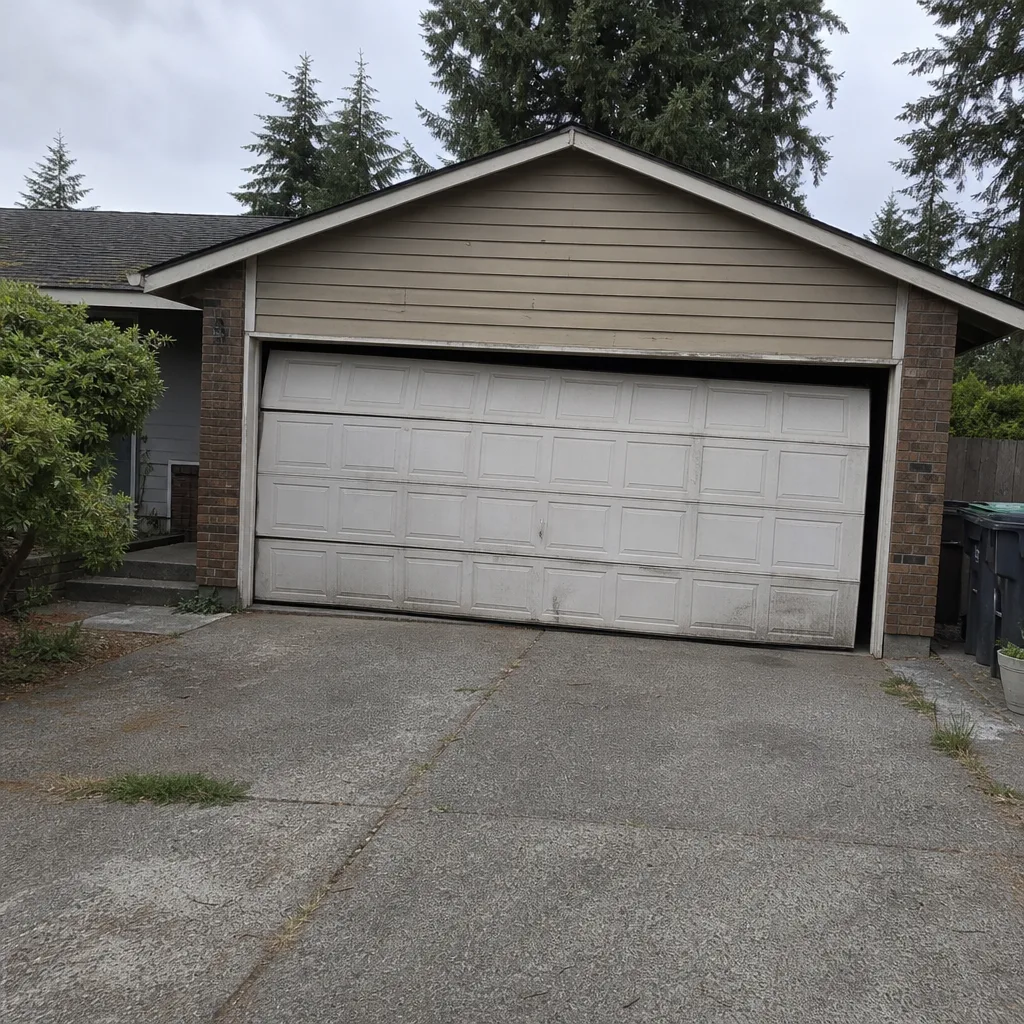
See the difference
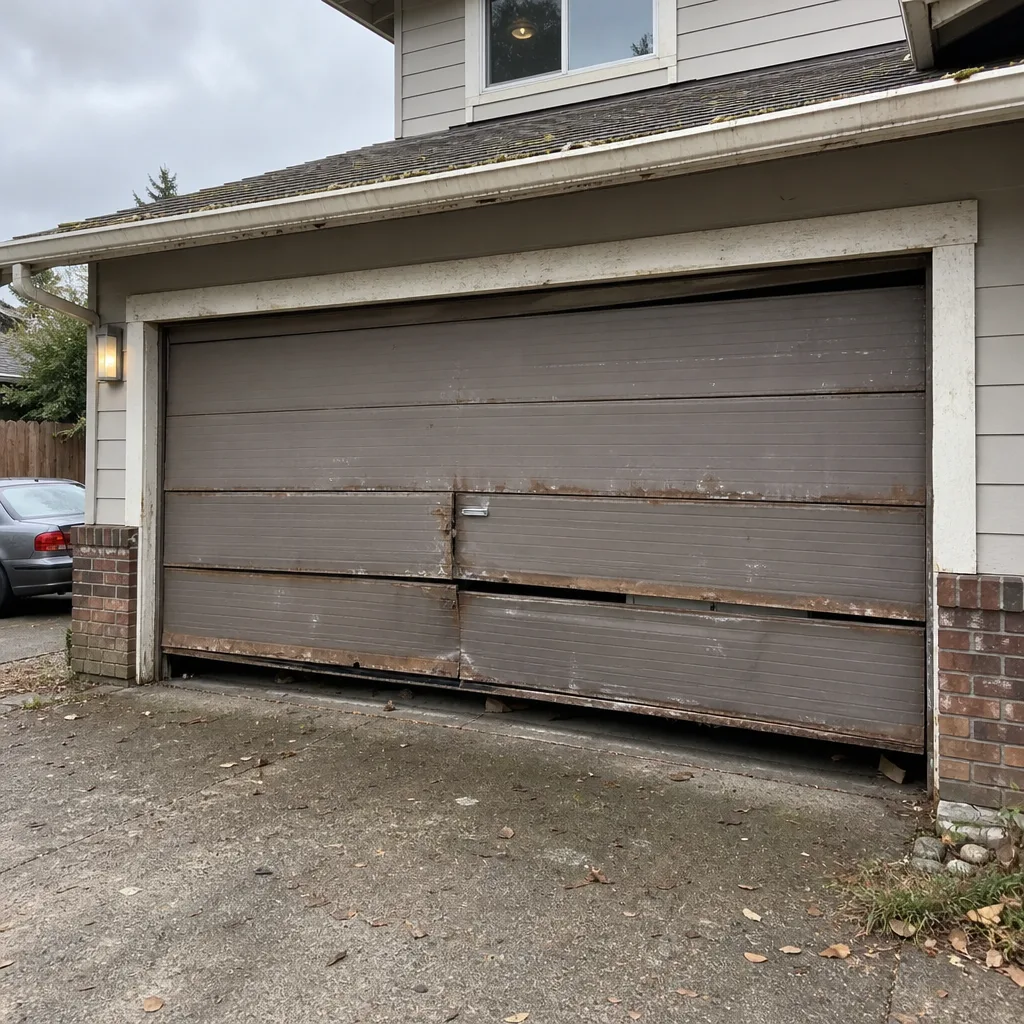 Before
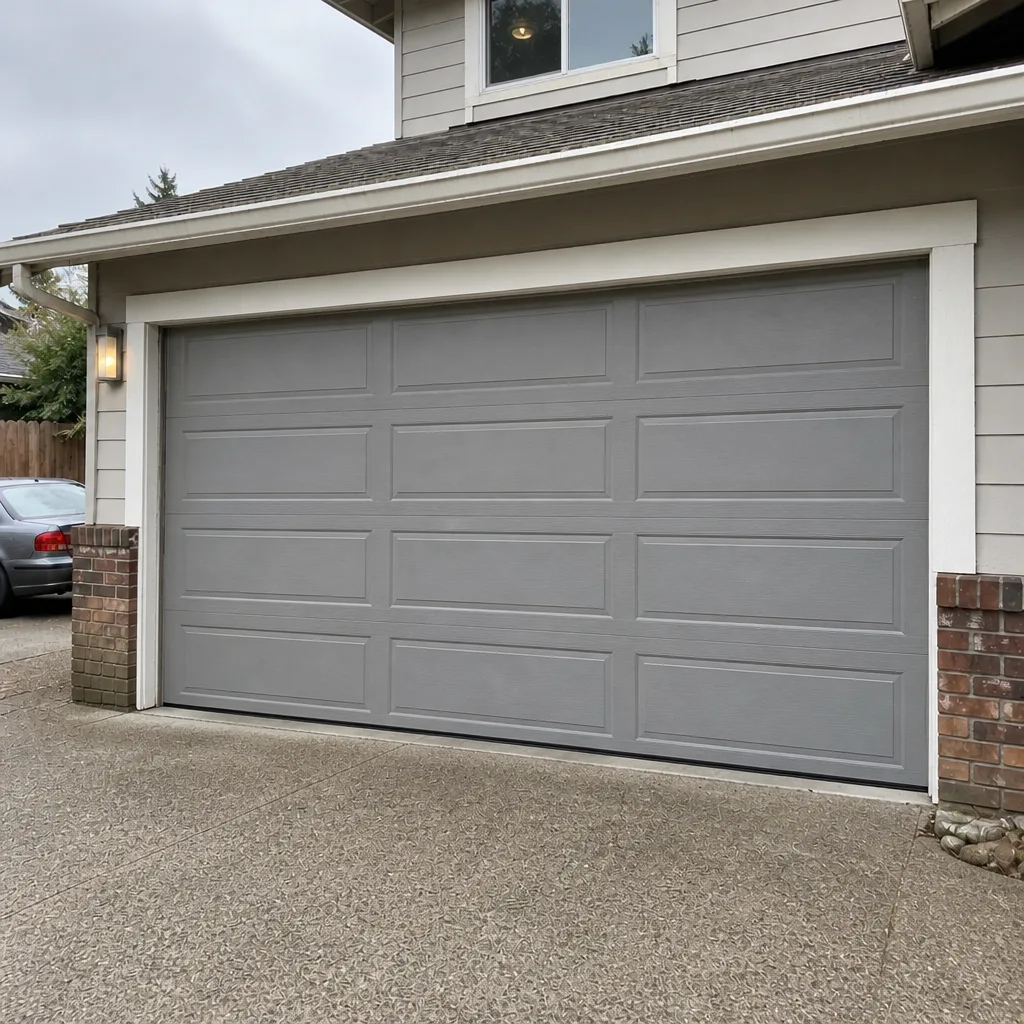 After
 Before
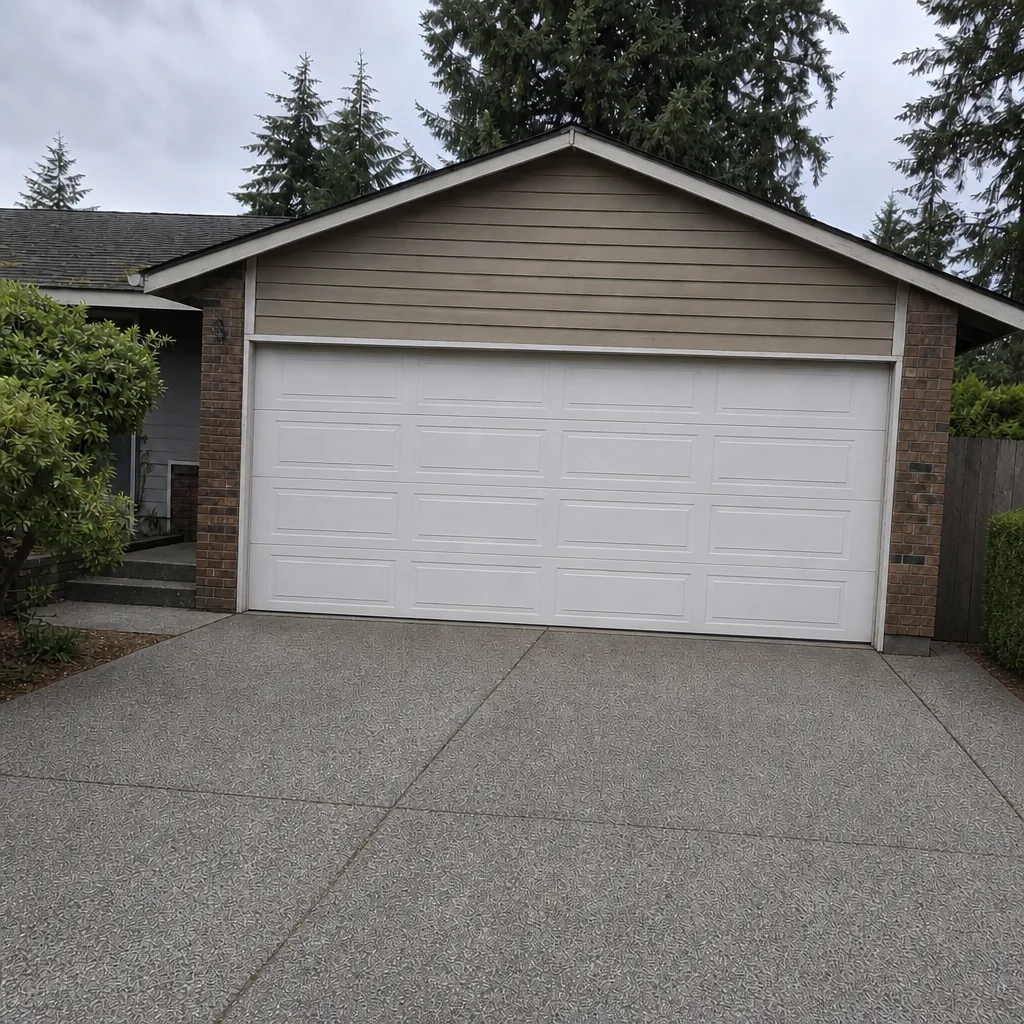 After
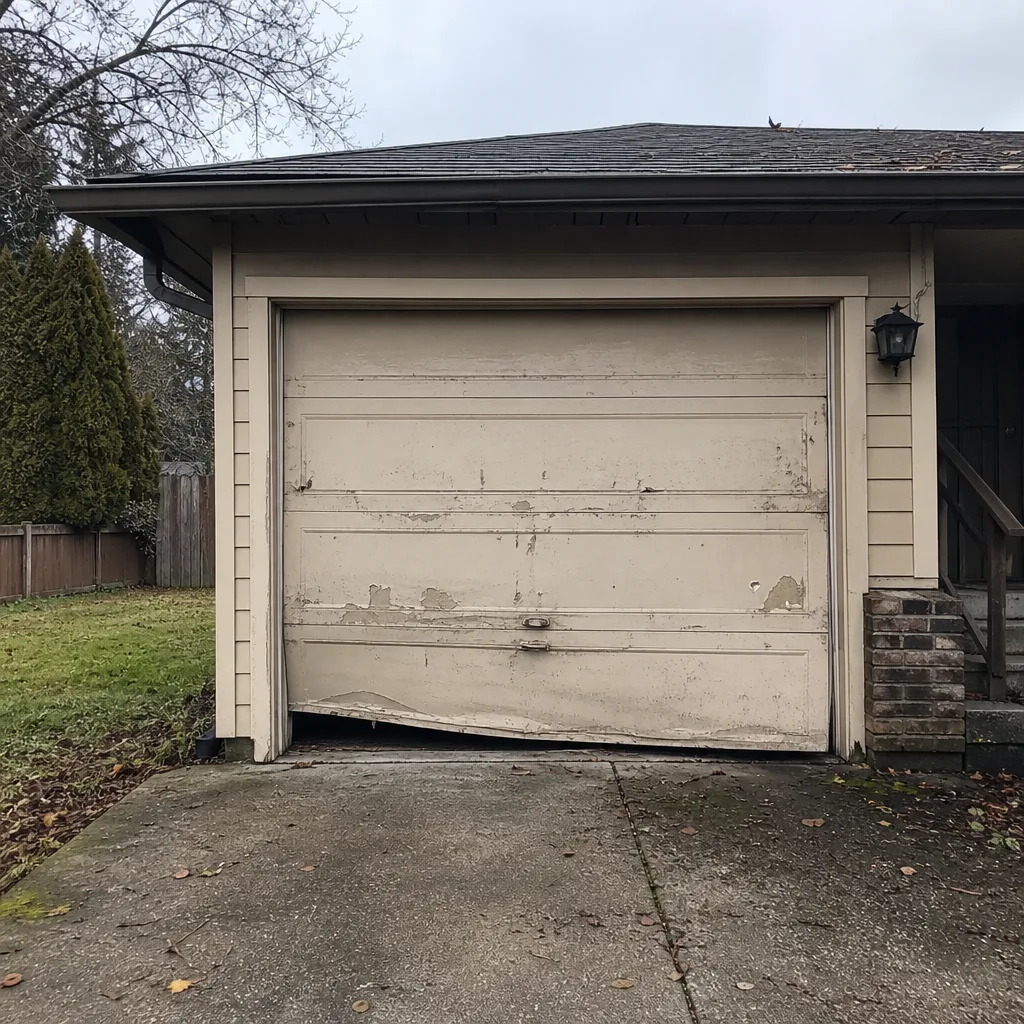 Before
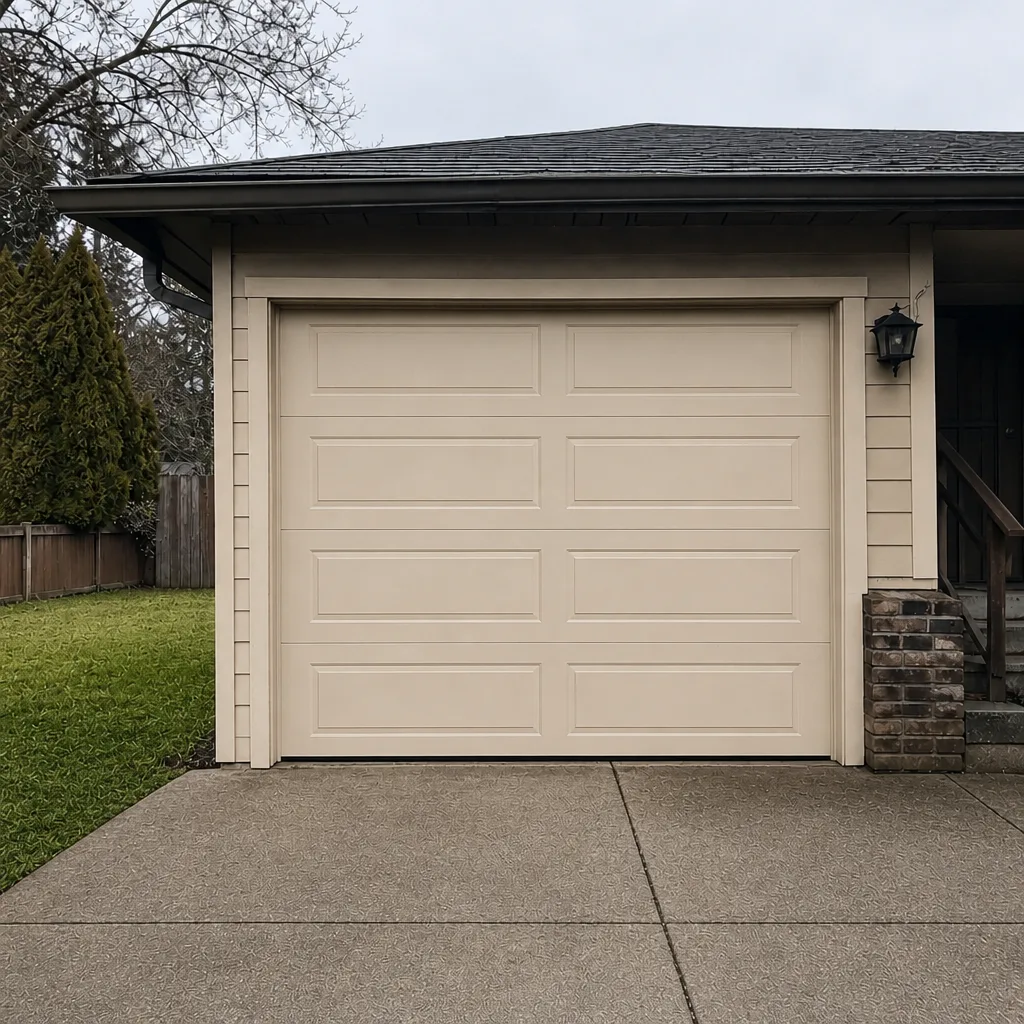 After
When to Call a Professional
Some issues really are DIY-check territory: lubrication, testing the safety sensors, replacing a bottom seal, resetting a remote. But a specific set of situations should always go to a trained technician. If you see a broken or sagging torsion spring, a visibly frayed or slack cable, a door that is off its track or hanging unevenly, or a spring that’s clearly split, stop operating the door and call. Those are the high-stakes repairs, and working on them without the right equipment and training can turn a repair into an injury.
An opener that reverses for no apparent reason, a remote that won’t pair after a fresh battery, or a wall control with no response are all diagnosable on-site and often fixable the same day. A door that won’t close all the way in rain or cold is worth having looked at too, since it’s often a bottom seal issue that’s easy to fix and easy to ignore.
If you’re not sure whether the situation qualifies, the call is free. We’ve built our service around the idea that people should be able to get a straight answer without a sales pitch. Lynnwood Garage Door Repair Pros offers free estimates in Lynnwood. Call (855) 658-5277 and we’ll tell you what’s actually going on.
Frequently Asked Questions
Spring repair typically runs somewhere between $150 and $400 depending on the system type, one spring versus a matched pair, and whether it’s torsion or extension. Replacement is priced per spring, and when both are replaced (which is common with extension spring pairs), the total is roughly double the single-spring cost. Prices are estimates, and the written quote is the price. Call (855) 658-5277 for an exact quote – estimates are free.
Yes, emergency garage door service is available, and a door stuck open in Lynnwood is a real security and weather issue, not a small inconvenience. Call (855) 658-5277 and we’ll get a trained technician to you as quickly as possible.
No. Our quotes are agreed before any work starts, and the written estimate sets the price. If we find something different when we arrive, we’ll show you what it is and re-quote before doing anything, but prices don’t move after you’ve approved a quote. Call (855) 658-5277 to schedule a free estimate.
The local professionals we connect you with are licensed and insured as their state requires. Our technicians have up to 12 years of experience, and they’re trained on all major residential brands, including LiftMaster, Chamberlain, Genie, Clopay, Amarr, Wayne Dalton, Craftsman, and Raynor. Call (855) 658-5277 for details on your specific job.
Off-track doors are usually repairable if the panels aren’t bent and the track can be re-secured. This is one where an on-site look matters, because the answer depends entirely on whether the door panels themselves have been damaged. Call (855) 658-5277 and we’ll have a technician look at it and give you a straight answer.
Most cities require a permit for structural changes related to a garage door installation, but the requirements vary based on whether you’re swapping a door like-for-like or changing the opening. Ask the City of Lynnwood’s building department directly before scheduling installation, and we can help you understand what’s typically involved.
The Bottom Line
Your garage door is a mechanical system you use more than almost anything else in your home, and understanding it changes how you maintain it. Torsion and extension springs are fundamentally different and cost different amounts to service. Lynnwood’s wet climate accelerates wear on cables, seals, and wood panels in particular, which is why an annual inspection pays back more here than in a drier place. Brand fluency matters, whether you’re running a LiftMaster opener or a Clopay door. And the repair-versus-replace decision deserves an honest diagnosis, not a sales pitch. Fix what’s fixable, replace what’s due, and keep the annual checks going so you don’t find out about a worn part by having it snap.
If you’re looking at your door and something doesn’t seem right, or if it’s been years since anyone looked at it, we’re glad to take a look. Lynnwood Garage Door Repair Pros handles diagnosis, parts, and labor as a single team, so you’re not chasing three different contractors for one problem. Our technicians have up to 12 years of experience servicing all eight major brands, and we’re set up for both routine repairs and emergency calls. Whether it’s a spring that needs to be replaced, an opener that needs diagnosing, or a decision about whether to repair or install, we’ll give you a clear answer and a free estimate. Call (855) 658-5277 today and let’s look at what’s going on with your door.
Written by the team at Lynnwood Garage Door Repair Pros.