Last updated November 24, 2026
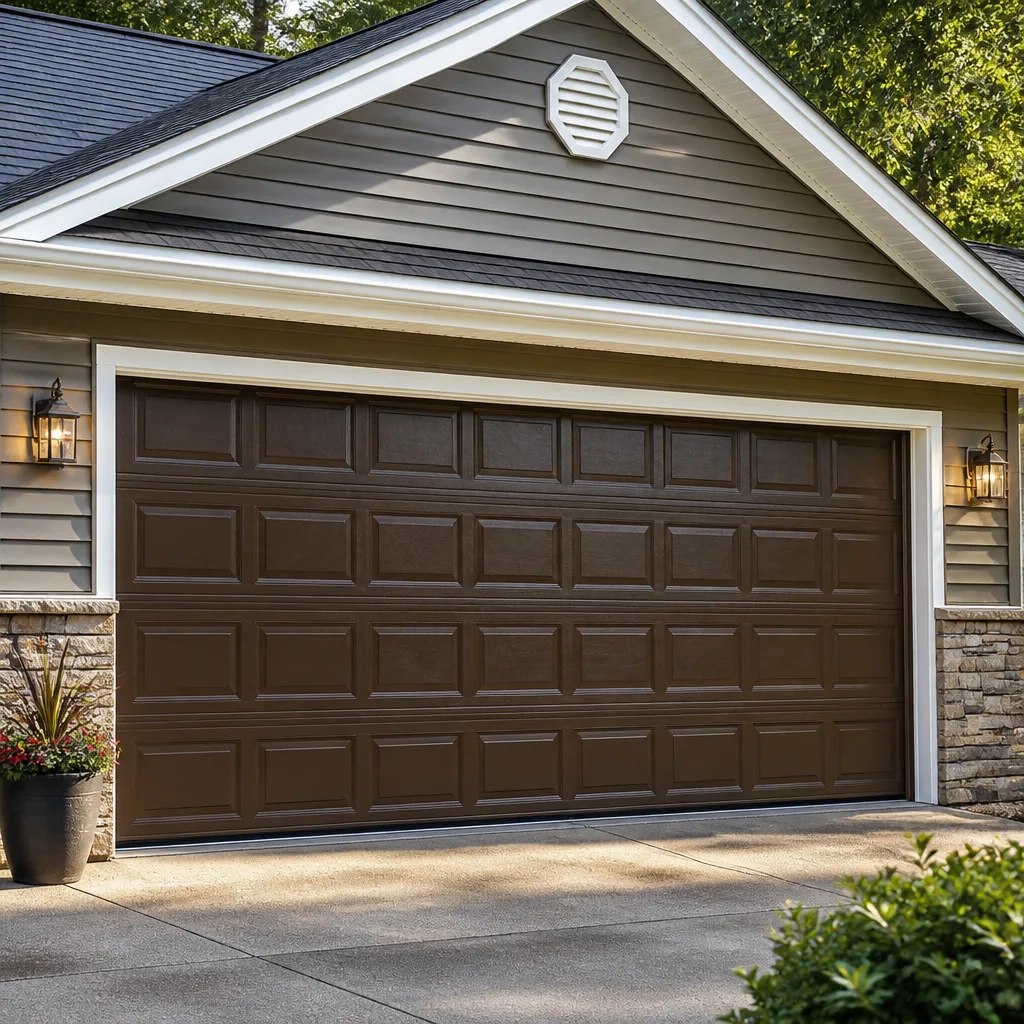 Raised-panel steel
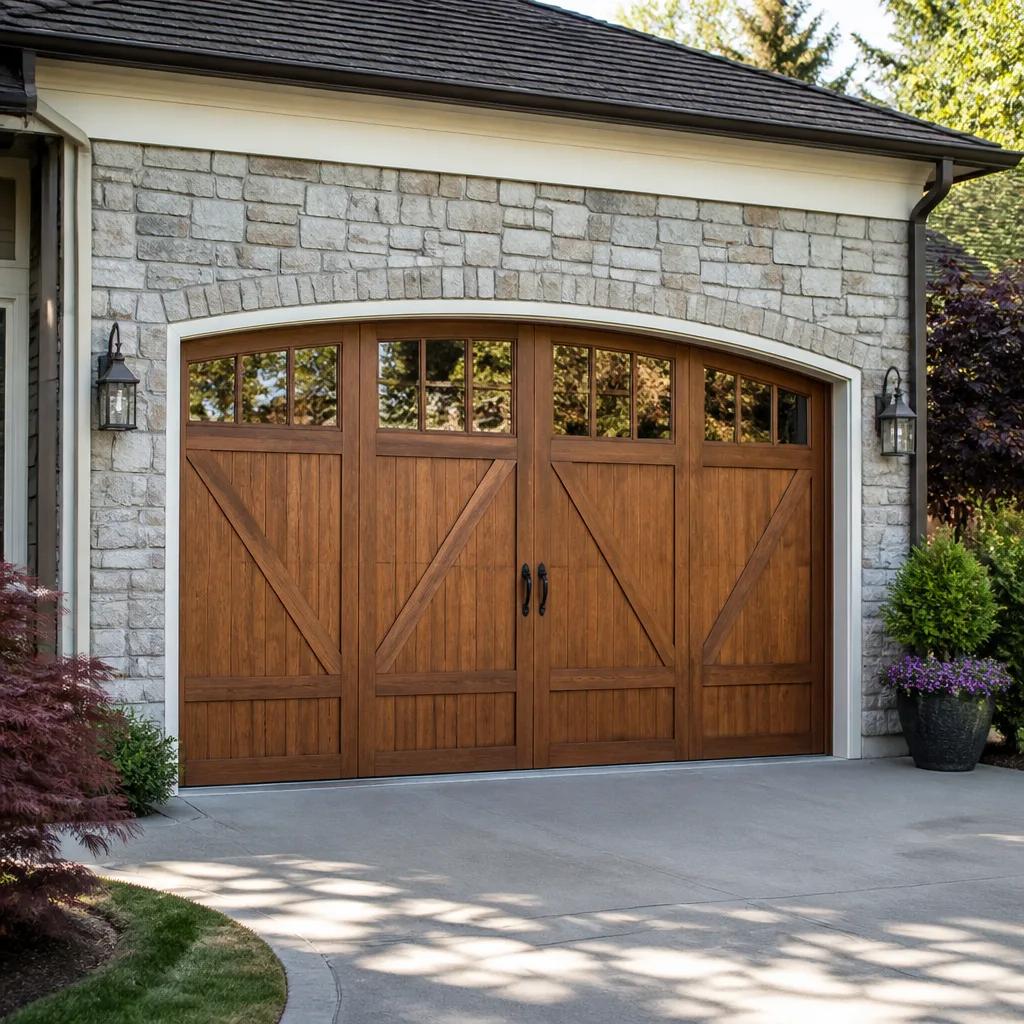 Carriage house
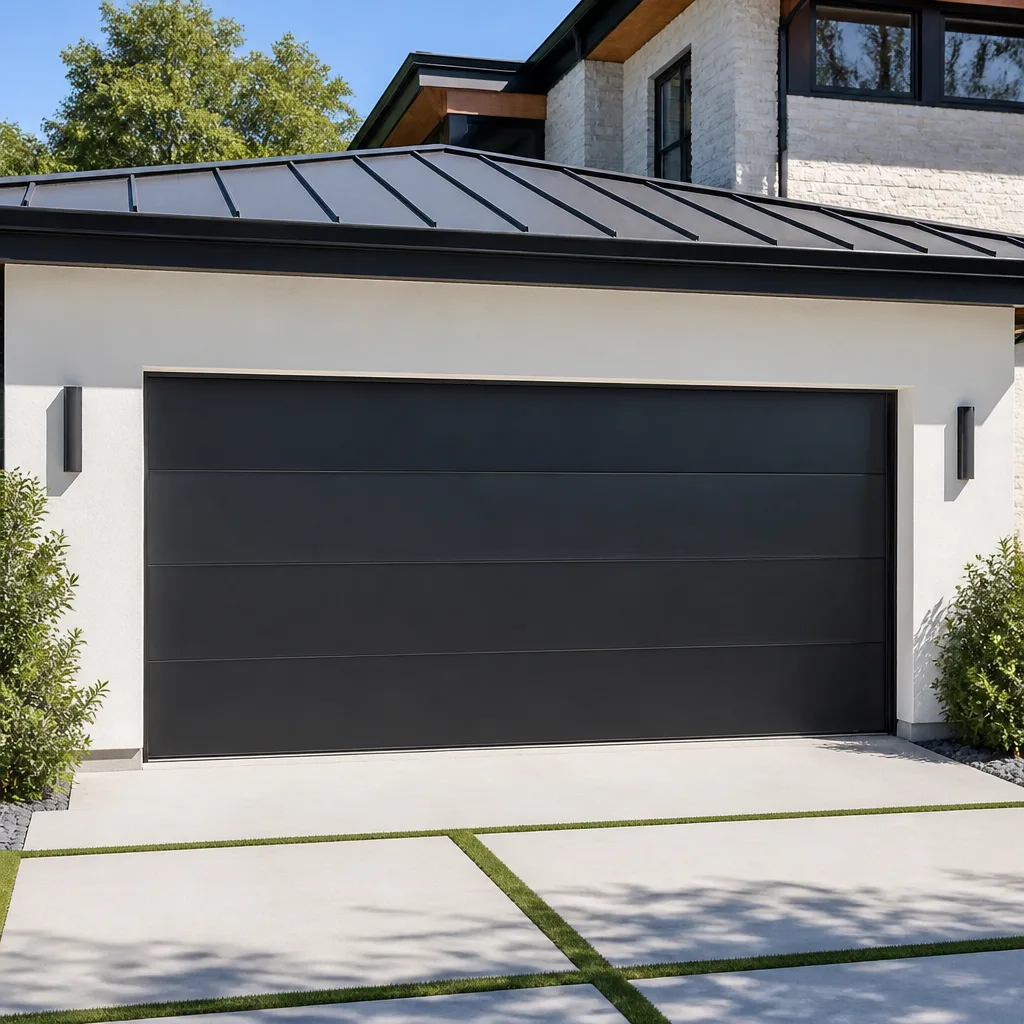 Modern flush
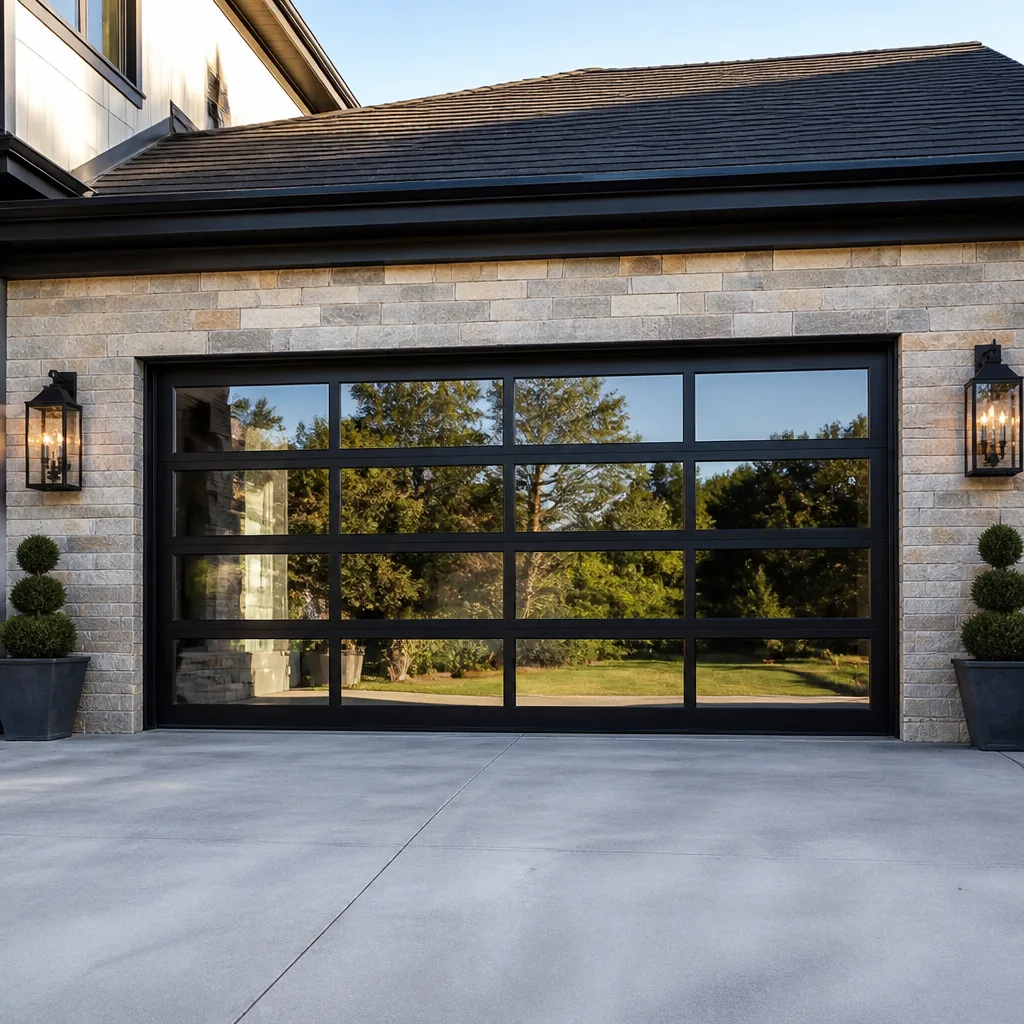 Full-view glass
 LiftMaster openers
 Chamberlain openers
Full 25-point door and opener safety check with every visit - springs, cables, rollers, tracks, and your LiftMaster or Chamberlain opener included
You get a price before we start. It does not change when the pro arrives.
Get your free estimateGarage Door Warning Signs: A Lynnwood Homeowner’s Reference Guide
Most homeowners notice the moment a garage door stops working. Very few notice the weeks of signals that came before it. A door that hesitates for half a second before it moves isn’t “a little slow” – it’s a door whose spring tension no longer matches the opener’s torque, and that mismatch usually ends in a stripped gear, a snapped cable or a burned-out motor, not a gentle decline. The same is true of a rattle that appears only at the top of travel, a gap along the bottom seal after a wet stretch, or a panel that suddenly won’t sit flush. Each of those is a data point. This guide is built to help Lynnwood homeowners read those signals early and know which ones are safe to watch and which need same-day attention.
Quick Answer
The four garage door warning signs that require same-day professional attention are a snapped torsion or extension spring, a frayed or kinked lift cable, a door that hangs unevenly on one side, and any opener that runs but won’t move the door. Everything else – odd noises, slow starts, seal gaps, panel swelling, sensor flickers – is worth monitoring and diagnosing, but rarely an emergency. The balance test below is the single most useful check: a door that won’t hold itself halfway open is already failing, even if it still opens and closes.
Styles & brands we work with
- Raised-panel steel
- Carriage house
- Modern flush
- Full-view glass
- LiftMaster openers
- Chamberlain openers
Table of Contents
- Symptom-to-Cause Index: Look Up What You’re Seeing
- Warning Signs You Can Hear
- Warning Signs in How the Door Moves
- Warning Signs You Can See
- Safe to Monitor vs. Same-Day Attention
- The Balance Test: Why a Working Door Can Already Be Failing
- Lynnwood’s Wet Climate and What It Does to Doors
- How to Describe a Warning Sign When You Call
Symptom-to-Cause Index: Look Up What You’re Seeing
Most garage door guides want you to read start to finish. That’s not how a homeowner actually uses this information. You’re standing in the driveway, you heard something, and you want to know what it means. So start here. The index below groups the most common warning signs by what your senses pick up: sound, movement and visual cues. Each entry points to the deeper section where we explain the cause and what to do about it.
Sound signals
- Loud bang from the garage, door won’t lift: almost always a snapped spring. Urgent.
- Rhythmic squealing during travel: dry or worn rollers and hinges, or a torsion tube that needs lubrication. Monitor.
- Grinding or crunching near the opener head: worn drive gear or a failing motor coupler. Monitor to urgent.
- Rattling only at the top or bottom of travel: loose track hardware or a misaligned top bracket. Monitor.
- Clicking that repeats while the door is closed: usually the opener’s travel limit or a failing capacitor. Diagnose soon.
Movement signals
- Door hesitates before moving: spring tension and opener torque are out of balance. Diagnose soon.
- Door lifts crooked on one side: stretched spring on one side of an extension setup, or a binding track. Urgent.
- Door reverses before touching the floor: sensor or travel-limit issue, or obstruction. Diagnose soon.
- Door falls quickly when closing: spring tension has dropped. Urgent.
- Door stops halfway and won’t continue: opener force limit trip, or a binding roller. Diagnose soon.
Visual signals
- Visible gap between cable strands or a curl: frayed cable. Urgent.
- Rust streaks along panels, hinges or tracks: moisture intrusion, common in Lynnwood. Monitor.
- Bottom seal wavy or separating: seal deformation or track misalignment. Monitor.
- Wood panel swelling or paint bubbling: moisture behind the surface. Monitor to urgent depending on depth.
- Bent track section: impact damage or misalignment. Diagnose soon.
If your symptom isn’t here, the sections that follow walk through each category in detail. For a symptom that clearly points to a spring or cable, skip straight to the safe-to-monitor section and then call a professional – those are not DIY items.
Warning Signs You Can Hear
Sound is the earliest warning a garage door gives you, and it’s also the most often ignored because it starts gradually. A door that squeaked a little last month will squeal this month and seize a roller next month. The question is which sounds mean “schedule a tune-up” and which mean “stop using the door.”
Sounds that are safe to monitor
- Squealing or chirping: dry rollers, hinges or a torsion tube. Usually fixed by lubrication and adjustment during a routine service.
- Rattling on travel: loose bolts on the track brackets or the opener rail. Tightening is part of a normal tune-up.
- Low hum from the opener that gets louder over months: motor bearings starting to wear. Worth a diagnosis before the motor fails outright.
Sounds that need same-day attention
- A single loud bang from the garage, followed by the door not opening: a broken torsion or extension spring. Do not try to lift the door manually and do not run the opener again.
- A metallic snap, then the door drops hard or hangs crooked: a failed lift cable. Cables are under extreme tension; this is a trained-technician job only.
- Grinding metal from inside the opener housing: the drive gear is shredding. Continuing to run the opener strips it completely and usually damages the motor too.
We work on Craftsman, LiftMaster, Chamberlain and Raynor openers often enough to know that “grinding near the head” sounds slightly different on each. Craftsman and older Chamberlain units tend to fail at the drive gear first; LiftMaster and Raynor chain-drive systems sometimes develop a rhythmic tick before the gear goes. Either way, the sound tells us where to look before we arrive, which is one small reason it’s helpful to describe what you’re hearing rather than just saying the door “sounds bad.” If the noise is isolated to the opener and the door still moves, garage door opener repair is usually a fast, contained fix.
Warning Signs in How the Door Moves
A garage door travels the same path every time it runs – from fully closed to fully open and back, hundreds of times a year. Any deviation from that path is information. Most homeowners only clock “it stopped working” as the failure moment, but a door that changed its movement six weeks earlier was already telling you the failure was coming.
The five movement signals worth tracking
- Hesitation on start. A half-second pause before the door moves is the classic sign that spring tension has drifted and the opener has to work harder to compensate. Left alone, this ends in a stripped gear in the opener or a snapped cable in the lift system.
- Uneven lift. One side rises before the other, or the door hangs visibly tilted when open. On extension spring systems this usually means one spring has stretched more than the other; on torsion systems it points to a binding track or a failing drum.
- Fast or hard close. A door that slams down instead of cushioning the last few inches has lost spring tension. That’s also the exact condition that breaks the opener’s force calibration and shortens its life.
- Reverse before contact. If the door won’t close all the way, the safety sensor or the travel limit is misadjusted. Not urgent, but don’t keep forcing it – you’ll burn out the opener motor.
- Stop-and-refuse halfway. The opener’s force limit has tripped because something in the door is binding. Usually a bad roller or a bent track. Diagnose soon.
Of these five, uneven lift and a fast close are the two that most often precede a same-day call. If you’re seeing either and the door is still moving normally otherwise, stop using it until you’ve had it looked at. In our experience the “it works, just weirdly” phase is exactly when repairs are cheapest – the door is still intact, and we’re adjusting rather than replacing.
Warning Signs You Can See
Visual cues are the ones homeowners walk past every day without registering. That’s partly because they develop slowly, and partly because the garage is the one part of the house people don’t look at closely. A two-minute visual check a few times a year catches the majority of pre-failure conditions.
What to look at on the door itself
- Cables: a healthy cable is smooth and evenly wound. Frays, kinks, or a visible gap between strands mean replacement, not adjustment.
- Springs: torsion springs should be one continuous coil. A visible gap in the coil means the spring has snapped. Extension springs should be straight, not stretched thin in the middle.
- Panels: any gap, bowing, or paint bubbling along a seam – especially on wood and insulated steel doors – points to moisture intrusion or impact damage.
- Bottom seal: a seal that’s wavy, separated, cracked or sitting askew lets water and pests in and is often the first sign of a track misalignment.
- Hinges and rollers: rust on hinges or rollers is a normal sign of age, but heavy or clustered rust almost always points to a moisture problem the seal isn’t solving.
What to look at on the tracks and opener
- Tracks: a bend, dent, or a track that’s come loose from the wall bracket. Small bends cause binding; large ones cause off-track doors.
- Opener rail: a rail that sags even slightly under the door’s weight strains the drive gear. That’s the failure we hear most often as a grinding noise before it breaks.
- Safety sensors: a lens that’s visibly fogged, dirty or knocked out of alignment will cause intermittent reversal. That’s a two-minute fix, not a service call, but worth checking before you call.
If you’re seeing more than one visual cue at once, don’t stack the conclusions – call and let someone trained look at all of them together. A rust pattern plus a wavy seal plus a slight panel bow usually tells one story, and it’s often the same story: moisture getting past the door’s weather sealing and into the door itself.
Safe to Monitor vs. Same-Day Attention
The single most useful distinction in this guide is between warning signs you can watch and warning signs that mean stop using the door today. Getting this wrong in either direction causes problems: ignore an urgent sign and you escalate a repair into a replacement; overreact to a minor one and you pay for a service call you didn’t need.
| Warning sign | Action | Why |
|---|---|---|
| Squealing or rattling | Monitor, schedule service | Lubrication and tightening fix most cases |
| Slow start / hesitation | Diagnose within days | Tension and torque mismatch is progressing |
| Rust streaks or seal gaps | Monitor | Moisture control, weather stripping, seal replacement |
| Panel bowing or wood swelling | Diagnose within days | Structural integrity affects safety of travel |
| Frayed or kinked cable | Same-day – stop using door | Cable failure is dangerous and unpredictable |
| Snapped spring | Same-day – stop using door | Door is unsupported; opener will strip or drop the door |
| Door off track / crooked hang | Same-day – stop using door | Door can fall or swing unpredictably |
| Opener runs but door won’t move | Same-day diagnosis | Drive gear or coupler failure, further running causes damage |
The rows in the top half of that table are safe to live with for a few days or a few weeks while you schedule. The bottom half are not. If you’re in doubt about which side a symptom falls on, treat it as urgent and get it looked at – a diagnosis costs far less than an off-track door that’s dropped on the car beneath it.
The Balance Test: Why a Working Door Can Already Be Failing
Here’s the failure mode homeowners miss most often. A garage door that opens and closes reliably isn’t necessarily healthy – it might just be a door whose opener is doing all the lifting work the springs used to do. When springs lose tension, the opener quietly takes over. The door keeps moving, so nothing looks wrong. But the opener was designed to move a balanced door, not lift a dead weight, and it fails within months to a couple of years under that load.
How to run the balance test
- Close the door fully and disconnect the opener using the manual release cord (usually a red handle hanging from the rail).
- Lift the door by hand to about waist height, then let go.
- If the door stays where you left it, the springs are balanced correctly.
- If the door drops on its own, the springs have lost tension. If it rises on its own, they’re over-tensioned.
- Reconnect the opener by running it once until the carriage re-engages.
Do that check two or three times a year. A door that fails it is already in a failure progression even if it works perfectly today. That’s the real reason spring repair is its own specialty in our book – it’s not a part you swap when it breaks, it’s the calibration the entire door runs on. If your door fails the balance test, don’t run the opener more than necessary, and get it checked. In Lynnwood, that’s a routine call; garage door spring repair is the type of work where the diagnosis matters more than the parts.
Lynnwood’s Wet Climate and What It Does to Doors
Lynnwood’s climate puts a specific kind of wear on garage doors that homeowners moving here from drier parts of the country don’t expect. The region gets heavy rain through the fall and winter, long stretches of high humidity, and a lot of moisture that never fully dries out between storms. That moisture finds every gap in a garage door’s weather sealing, and the failure it leaves behind is visible long before the door stops working.
Rust patterns that matter
Rust on a hinge is normal over time. Rust clustered along the bottom of the door, on the track brackets, or on the torsion tube is a signal that water is pooling or sitting against metal. Left alone, that rust pits the metal and eventually weakens the component. If you’re seeing rust on the torsion tube or the springs themselves, that’s worth a professional look rather than a wire brush.
Seal deformation
The bottom seal is the first line of defense against water getting inside. A seal that’s cracked, brittle, wavy or pulling away from the door lets water track up the panel edges on every storm. That’s the mechanism behind the wood swelling and steel corrosion that show up months later. A seal that’s visibly deformed at the end of a wet stretch is worth replacing outright, not patching.
Wood panel swelling
Wood garage doors are common across Lynnwood’s older neighborhoods, and they’re the most expressive part of this climate story. When a wood door’s paint cracks along a seam, moisture gets into the panel and the wood swells. It doesn’t shrink back when it dries – it stays slightly larger, which bows the panel and stresses the hinges and stiles around it. If you notice paint bubbling along a panel seam, especially after a wet stretch, that’s moisture finding its way in. Catching it early is a paint-and-seal job; catching it late is a panel replacement or a new door.
What this means for Lynnwood doors
The practical takeaway is that Lynnwood homeowners should check their door’s sealing after every significant wet stretch, not just in the spring. A five-minute visual check after a storm – seal, panel seams, bottom hinges, tracks – catches most of the climate-related failure modes long before they become repairs. Doors on south and west-facing garages take the brunt of the wind-driven rain and tend to show these signals first.
How to Describe a Warning Sign When You Call
When you call a garage door company about a symptom, the description you give determines how fast the technician diagnoses the problem and whether they show up with the right parts. Vague descriptions get vague diagnoses; specific descriptions get a fix on the first visit. The good news is that this doesn’t require any technical knowledge on your end – just observation.
What speeds diagnosis
- When it started and whether it’s getting worse. “Started a week ago, gets louder each day” tells us far more than “it’s been making noise.”
- Whether the symptom changed after something specific. A new sound after a power outage, a hard freeze, or a bump against the door narrows the cause a lot.
- Door make and model if you know it. LiftMaster, Chamberlain, Genie, Clopay, Amarr, Wayne Dalton, Craftsman and Raynor systems each have their quirks. Knowing the brand helps the technician bring the right parts.
- Whether the door passes the balance test. “It opens but it drops when I let go halfway” is a complete diagnostic in one sentence.
- Whether the opener runs but the door doesn’t move. That single distinction separates a door problem from an opener problem.
- Whether you or someone else tried a repair. What was adjusted matters – often a “fix” is what changed the symptom.
What doesn’t help
- Long guesses about which part is failing. Observation is worth more than diagnosis over the phone.
- “It’s just being weird.” We’d rather hear the actual sound, movement pattern or visual cue.
- Photos of the outside of the garage from across the driveway. Close-ups of the spring, cable, hinge or track section are far more useful.
One detail worth mentioning: if your opener is a smart-home integrated model, tell us. LiftMaster and Chamberlain systems with app integration log their own error codes, and those codes can shortcut the diagnosis. Same goes for older Craftsman units still running in a lot of Lynnwood homes – knowing the model year helps us anticipate whether a failing component is still supported or needs a different approach.
Common Mistakes to Avoid
- Running the opener after a spring snaps. The opener will try to lift a dead weight, shred its drive gear, and often damage the motor. That converts a spring repair into a spring-plus-opener job. Stop using the door the moment you hear the bang.
- Spraying WD-40 into the tracks. Tracks don’t need lubricant – rollers and hinges do, and only the right kind. WD-40 in the tracks attracts grit and speeds up wear, and it does nothing for the actual squeak most homeowners are chasing.
- Assuming rust is “just what doors look like here.” Surface rust on a bottom hinge may be cosmetic; rust on the torsion tube, springs, or bracket hardware is a sign of moisture getting where it shouldn’t. In Lynnwood, that distinction is worth the five-minute inspection.
- Skipping the balance test. It’s the single most useful check a homeowner can run. A door that won’t hold itself halfway open is failing, and every additional cycle stresses the opener further.
- Calling for a repair when the door is past its serviceable life. A 20-year-old door with a bowed panel, failing hinges, and rusted track might still be repairable, but a full replacement can cost less over the next decade than two rounds of repairs. Get a straight answer either way, not a sales pitch.
- Not mentioning the specific brand or model when you call. Lynnwood homeowners often inherit a door of unknown age and make. Photograph the opener label and the door’s top panel before calling – both tell the technician what’s installed before arrival, which often means a single visit instead of two.
- Treating an off-track door as “it just needs a shove.” A door that’s jumped its track can drop or swing unpredictably. Forcing it back is how people get hurt and how a track repair becomes a panel-and-track replacement.
See the difference
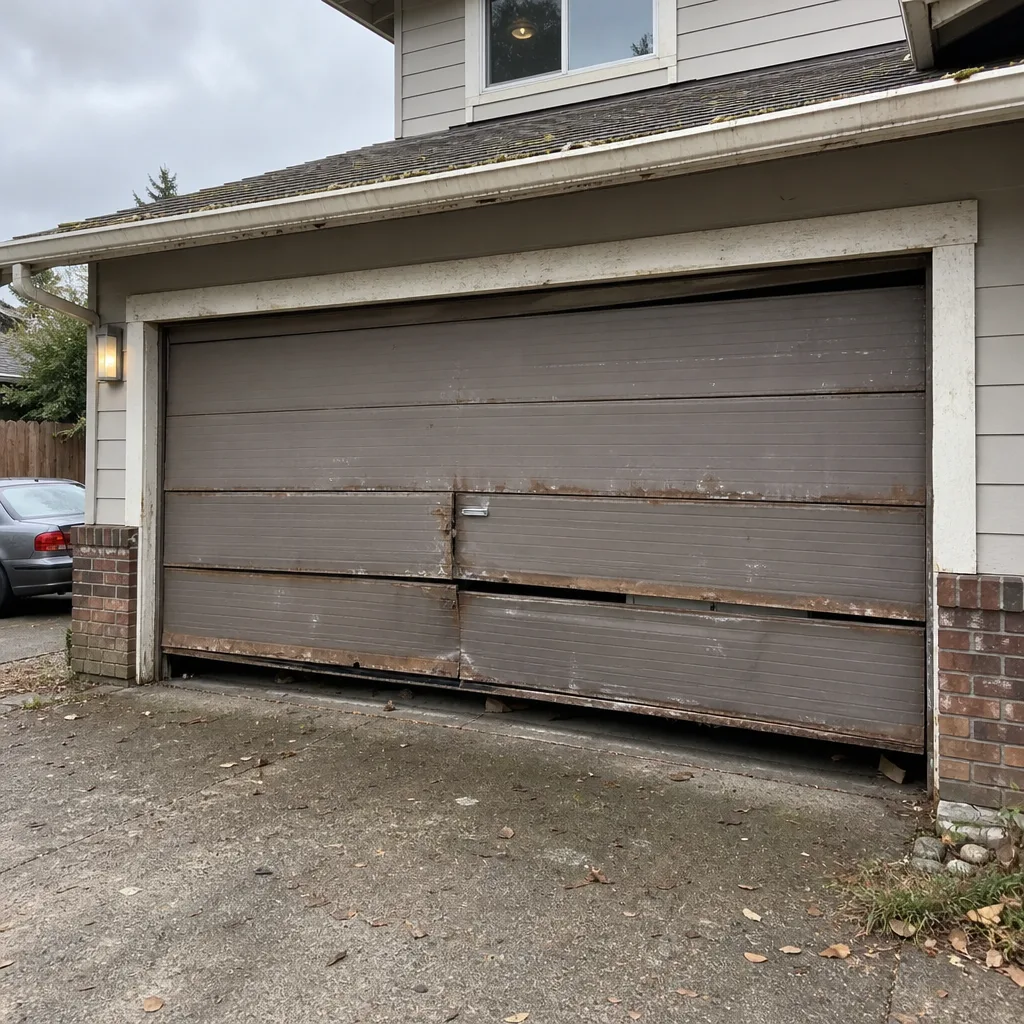 Before
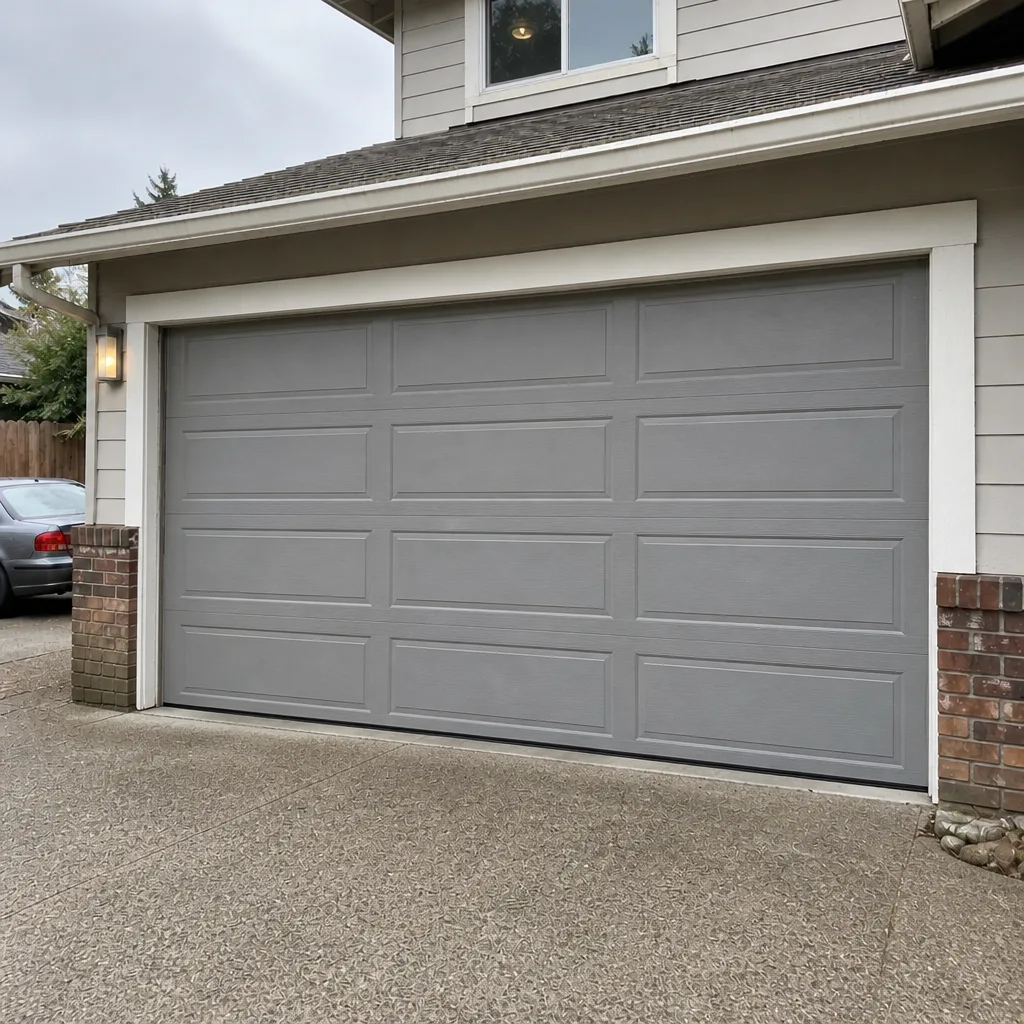 After
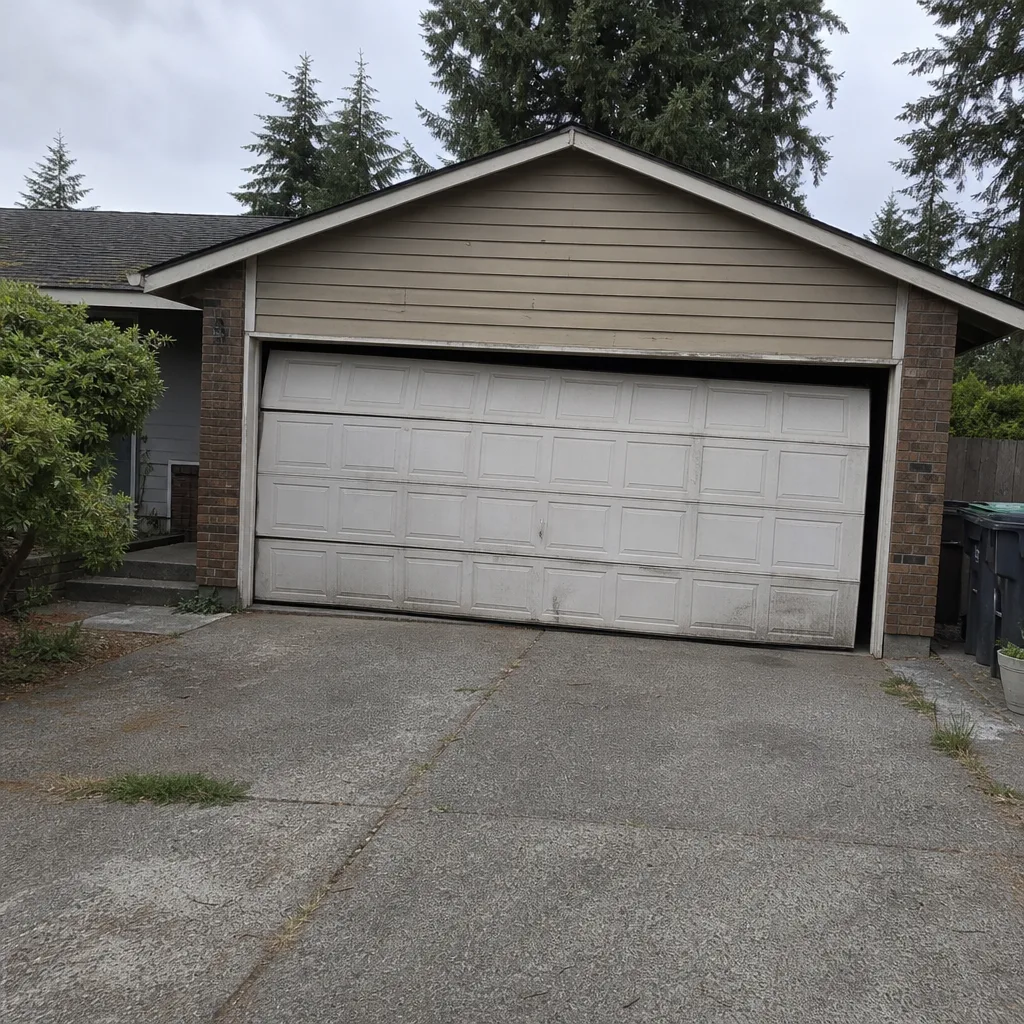 Before
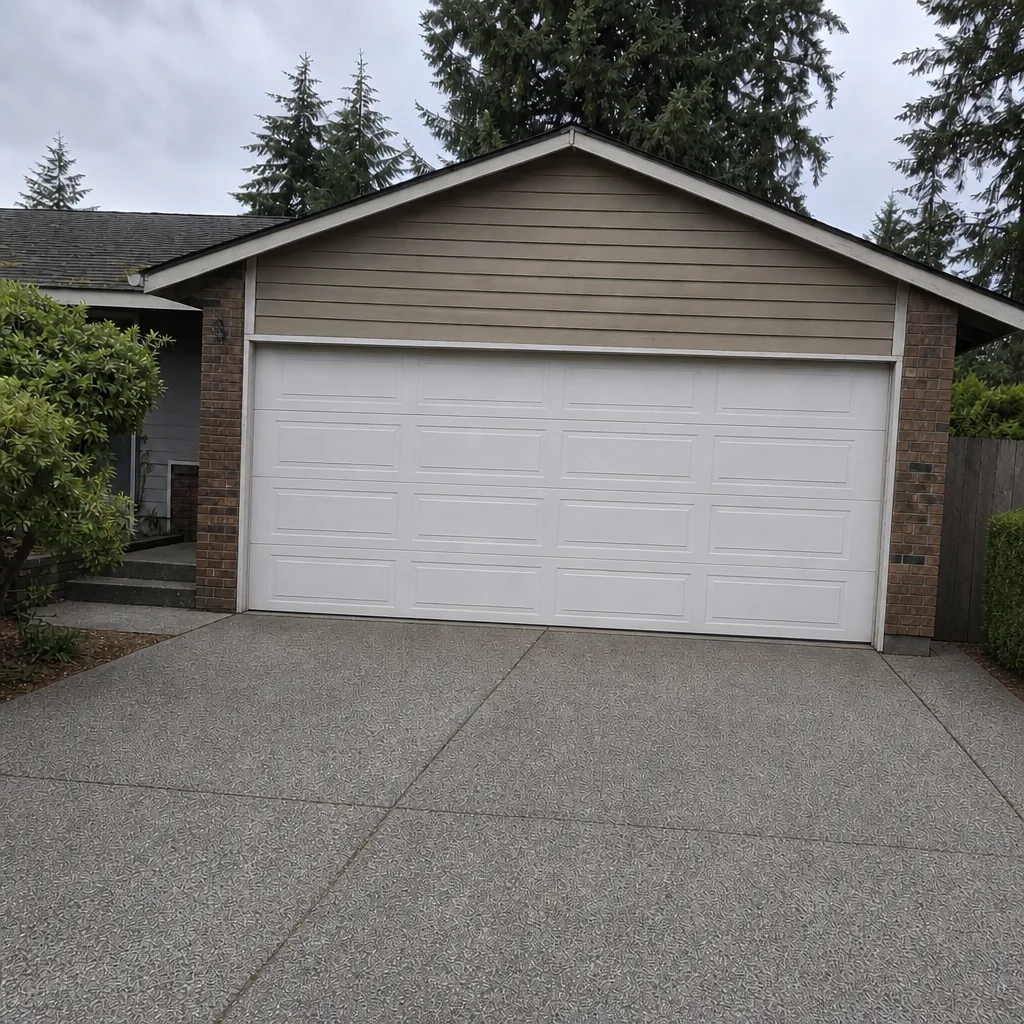 After
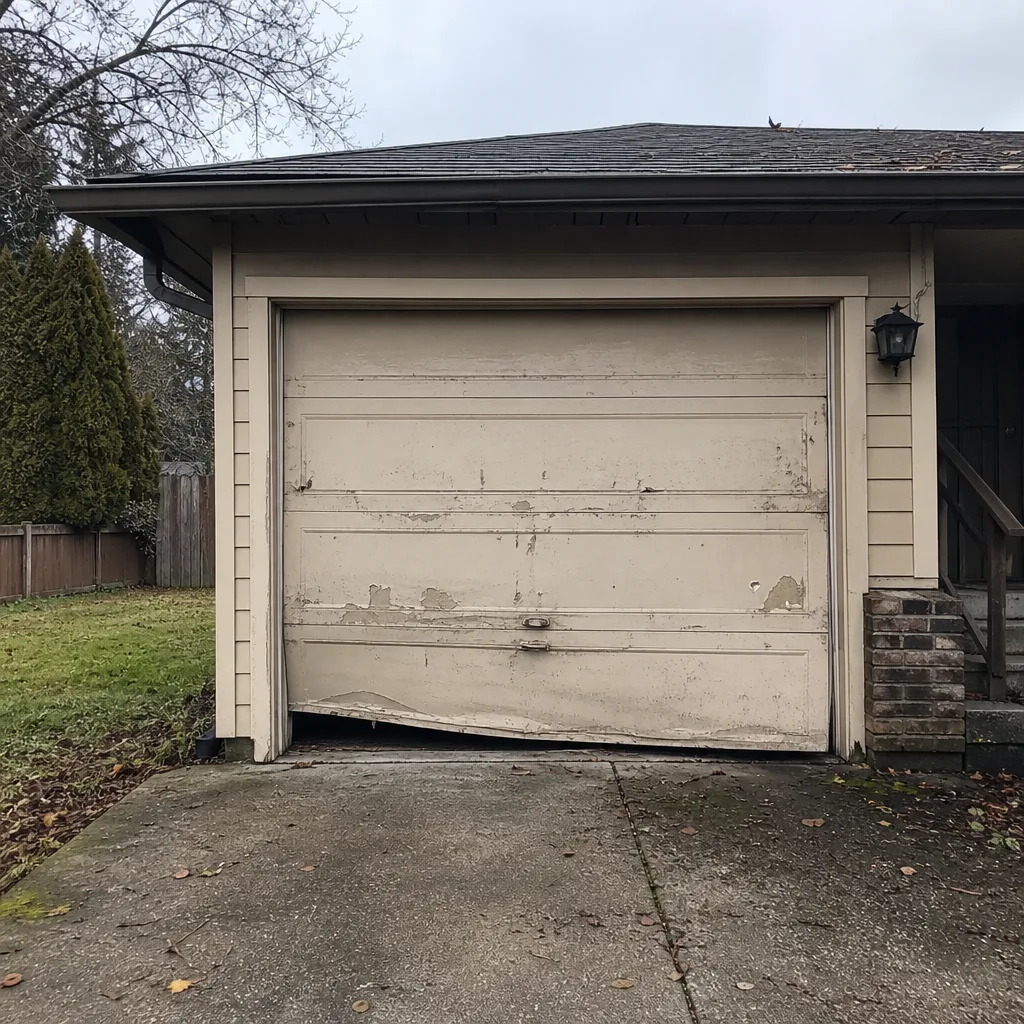 Before
 After
When to Call a Professional
Call a professional the same day if you hear a spring snap, see a frayed or kinked cable, notice the door hanging crooked on one side, or find the opener running without moving the door. These are the situations where continued use causes escalating damage or real safety risk. Call within a few days if you notice slow starts, uneven travel, a grinding opener, a failed balance test, or any of the visual moisture signals on this page – those are early-stage and far cheaper to fix early. And call once before deciding between repair and replacement if the door is over 15 years old or has multiple failing components; that’s a decision that deserves a trained eye and a written estimate, not a guess.
Our technicians have up to 12 years of experience, and we work on every major residential brand so we can diagnose the specific system you have rather than offer general advice. For free estimates in Lynnwood, call (855) 658-5277.
Frequently Asked Questions
A snapped spring, a frayed or kinked cable, an off-track door and a crooked hang are the four that require same-day professional attention. Each of those can cause a door to drop, bind or swing unpredictably, and running the opener in any of those conditions causes secondary damage. If you’re seeing any of them, stop using the door and call (855) 658-5277 – estimates are free.
Rarely. Most failures – spring snaps, cable breaks, opener gear failures – leave weeks of smaller signals in the form of hesitation, changing sound, uneven travel or a failed balance test. The “it worked fine yesterday” profile usually means the warning signs were there and not recognized. That’s the whole reason for this guide: making the pre-failure signals legible so you can act before the door fails altogether.
Two or three times a year is enough for most homes, and always after a long wet stretch in the fall or winter. The test takes two minutes and catches tension loss before it shows up in the opener. If the door fails it, don’t run the opener more than necessary and get it checked; garage door repair for a balance issue is often a fast, contained job.
Usually not – squealing and rattling are the two warning signs most often solved by lubrication and tightening during a routine service. The bigger problem is when they’re ignored for months and dry rollers start scoring the track. If the noise is limited to squeal or rattle, it’s worth scheduling but not urgent. If you also hear grinding from the opener, that’s a different story.
Stop using the door and don’t try to force it back. An off-track door can drop or swing unpredictably, and forcing one back into alignment is how people get hurt and how a track repair turns into a panel replacement. Call for same-day service. We handle off-track doors as an urgent repair – garage door opener repair is often part of the same visit if the opener’s travel limit caused the problem.
Yes, in specific and predictable ways. The region’s long wet stretches work on the weather seal, the bottom seam of the door, and the hinges nearest the floor. Rust clustering along the bottom, wavy or separated seals, and paint bubbling along a wood panel seam are the three most common moisture signals we see in Lynnwood. A short visual check after each major storm catches most of them early, when they’re cheap to fix.
Age, structural condition and how many components are failing at once are the three factors. A 20-year-old door with a bowed panel, rusting track and failing hinges often costs more to keep repairing than to replace. A 10-year-old door with a bad spring or a failing opener is almost always a repair. We’ll give you a straight answer on which one makes sense for your door, and we handle both – so there’s no referral circle.
Yes. We service all major residential garage door and opener brands, including LiftMaster, Chamberlain, Genie, Clopay, Amarr, Wayne Dalton, Craftsman and Raynor. Knowing the specific brand helps our technicians carry the right parts and anticipate the quirks of each system before they arrive. If you’re not sure what’s installed, photograph the opener label and the top panel of the door before calling.
The Bottom Line
Garage door failures don’t start with a bang. They start with a hesitation, a new sound, an uneven lift, a seal pulling away from the door. Those signals are legible if you know what you’re looking at, and this guide is meant to be your reference the next time something seems slightly off. The balance test is the check worth doing consistently. The spring, cable and off-track warnings are the ones worth calling about the same day. Signs of moisture at the bottom of the door in Lynnwood’s wet climate are worth watching after every storm. And when you want a professional diagnosis rather than a guess, Lynnwood Garage Door Repair Pros covers every major brand, handles repair and replacement honestly, and quotes the price before any work starts. Call (855) 658-5277 for a free estimate.
Written by the team at Lynnwood Garage Door Repair Pros.