Last updated November 24, 2026
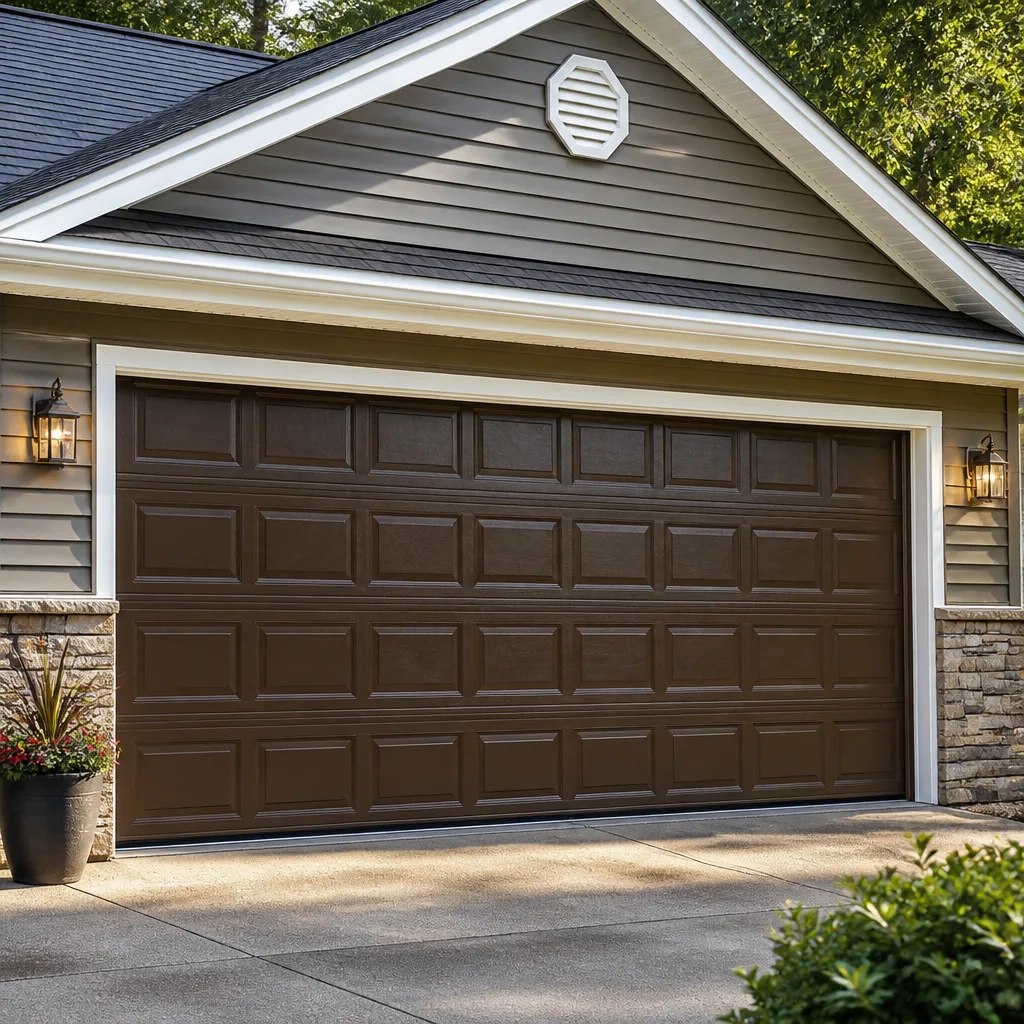 Raised-panel steel
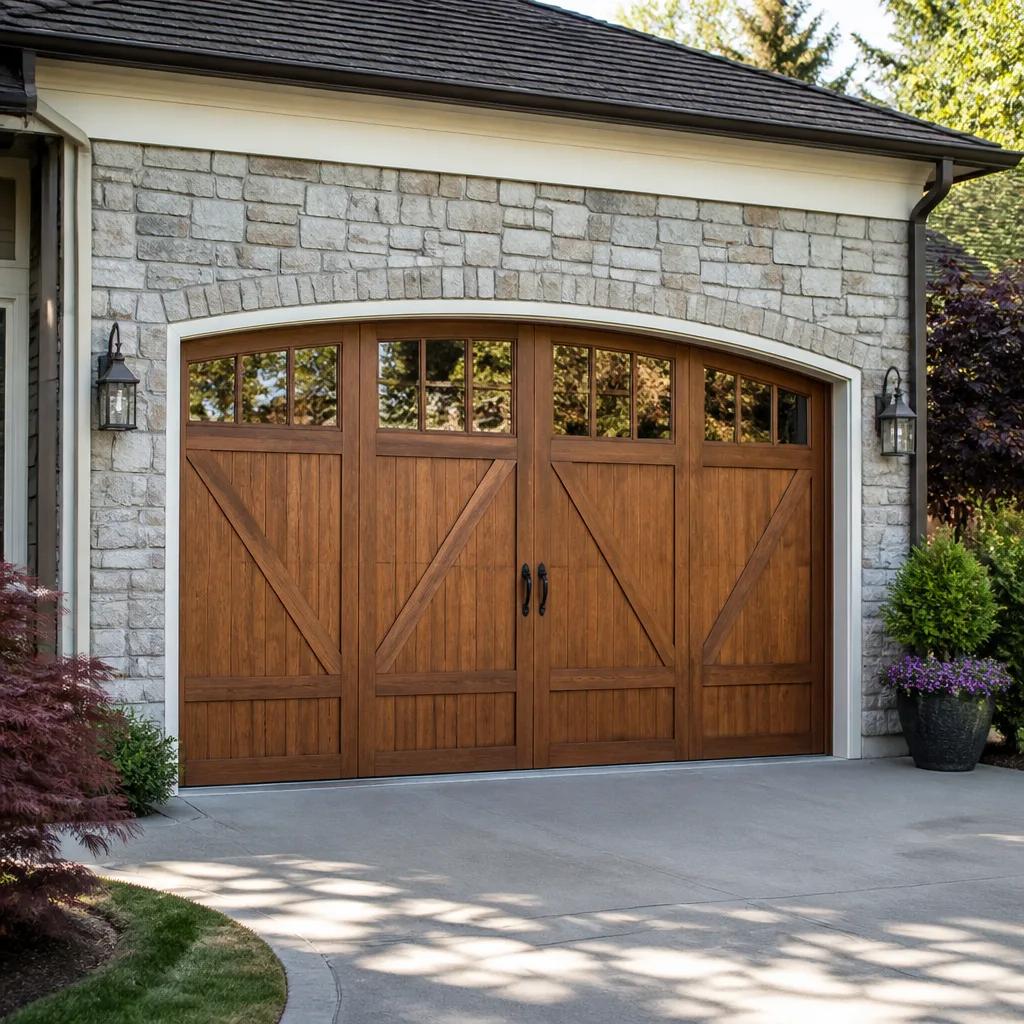 Carriage house
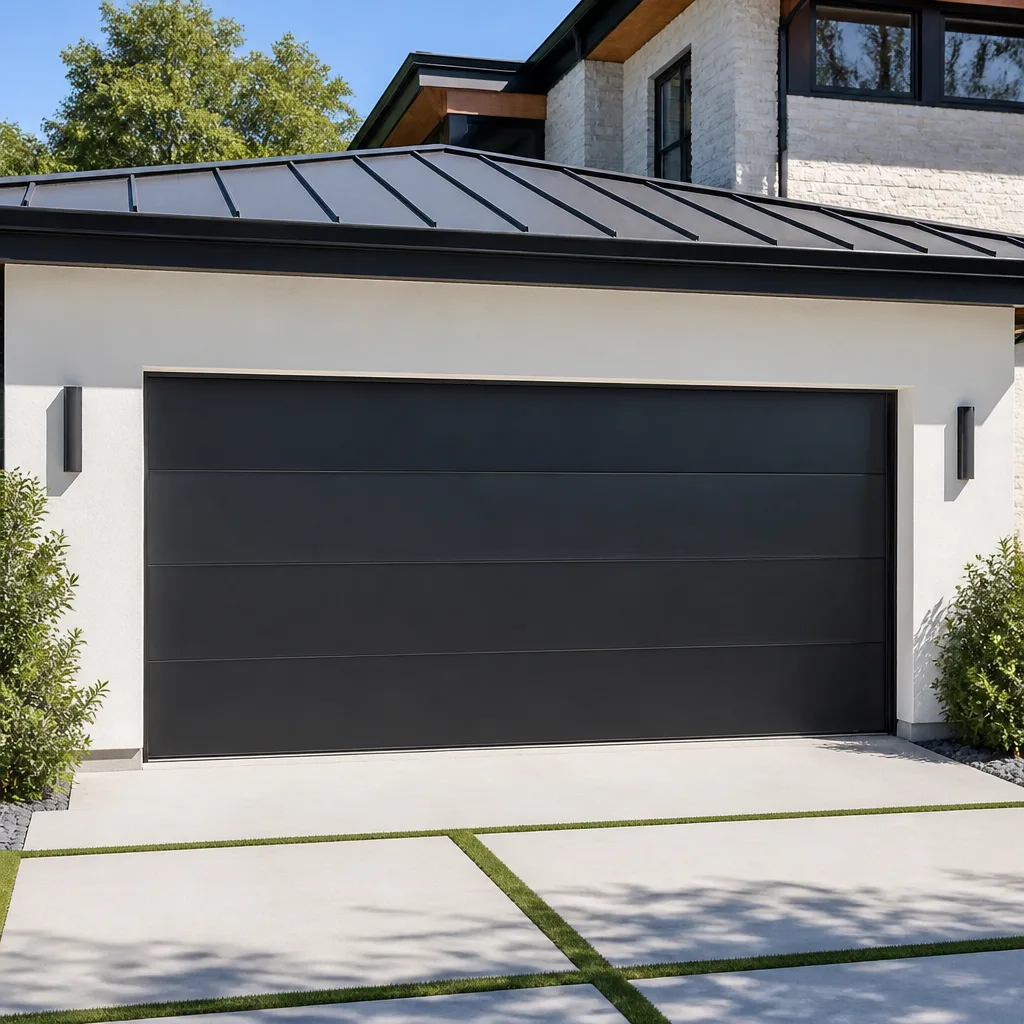 Modern flush
 Full-view glass
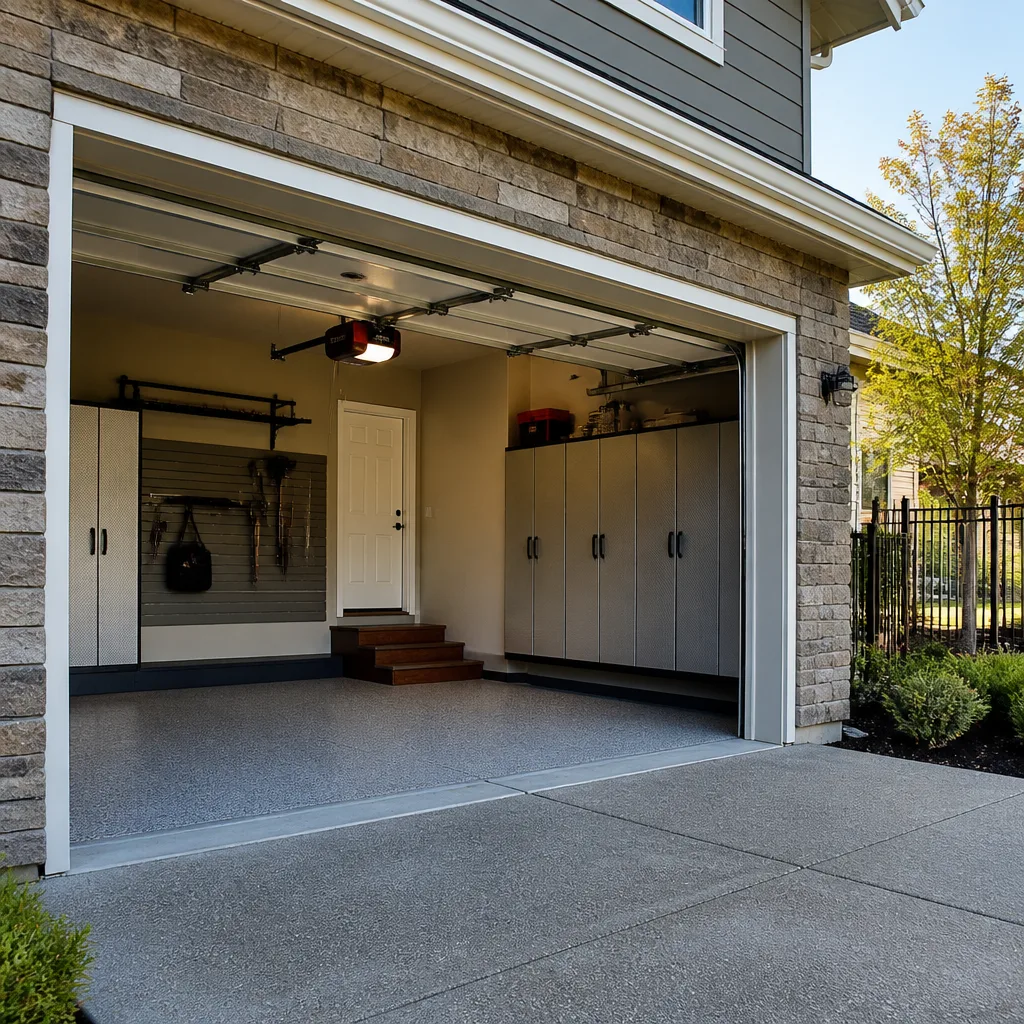 LiftMaster openers
 Chamberlain openers
Full 25-point door and opener safety check with every visit - springs, cables, rollers, tracks, and your LiftMaster or Chamberlain opener included
You get a price before we start. It does not change when the pro arrives.
Get your free estimateGarage Door Repair Maintenance Schedule: What to Do and When
“Lubricate your door once a year” is the advice every checklist hands you, and it’s the wrong interval for most households. A door that runs four times a day logs roughly 1,460 cycles in a year. By the time twelve months pass, the hinges and rollers have been dry for months. Garage doors don’t wear out on a calendar; they wear out on cycles and on the seasonal swings that hit Lynnwood twice a year. This guide replaces the annual ritual with a trigger-based schedule: count your cycles, watch the weather, and know exactly what to check and when. You’ll finish with a plan you can actually keep.
Quick Answer
The right garage door maintenance schedule is built on use cycles, not months: lubricate and inspect roughly every 1,500 cycles (about every five months for a busy household), run a spring-balance test every three months, and do a full pre-winter check before the first hard freeze. A door cycled four times a day needs service far more often than the once-a-year advice suggests.
Styles & brands we work with
- Raised-panel steel
- Carriage house
- Modern flush
- Full-view glass
- LiftMaster openers
- Chamberlain openers
Table of Contents
- Why Cycle Counts Beat Calendar Months
- Lubrication: What Goes Where and How Often
- The Spring-Tension Balance Test, Step by Step
- Pre-Winter Checklist for Lynnwood
- The Wet-to-Dry Spring Transition
- How to Log Your Maintenance So a Technician Can Use It
- Brand and Opener Notes Worth Knowing
- What You Can Do Yourself and What You Can’t
Why Cycle Counts Beat Calendar Months
A garage door is a mechanical machine, and machines count revolutions, not sunrises. Every open and close is one full cycle, and each cycle puts the same load through the same springs, rollers, hinges and opener gears. A household of two leaving once each in the morning and returning once each in the evening runs the door about four times a day. A household with a teenager, a dog walker and a delivery-heavy week can double that. The picture below shows how fast the cycles add up in a Lynnwood home.
- 2 cycles a day (one in, one out): about 730 cycles a year. Low-use door, light wear.
- 4 cycles a day (typical working household): about 1,460 cycles a year. The most common case in Lynnwood.
- 6 cycles a day (kids, pets, errands): about 2,190 cycles a year. Lubrication is due roughly every eight months at most.
- 8 cycles a day (home business, shift work): about 2,920 cycles a year. This door needs service more than twice as often as the annual advice implies.
To find your number, just count the door movements for two ordinary days and average them. Most people are surprised. Once you know your daily cycles, everything else in this guide falls into place: you multiply by 365 and divide by 1,500 to get your real lubrication interval. The door stopped caring what month it is the day it was installed.
Lubrication: What Goes Where and How Often
Lubrication is where most schedules go wrong, and where a lot of do-it-yourself damage happens. Different components need different products, and one of the most common garage products on the shelf will quietly shorten the life of your rollers. Here’s the mapping we use in our own work every day.
Use these products on these parts
- Rollers (metal bearings): a dedicated garage door lubricant or a white lithium grease. Two or three drops per roller is plenty.
- Hinges and pivot points: the same garage door lubricant. A thin film, not a blob.
- Torsion springs: a light coat of garage door lubricant reduces coil friction and noise. Never grease the inside of the spring coils where they touch, or you’ll trap grit.
- Extension springs: lubricate the coils lightly and the pulley points where they travel.
- Track: no lubricant on the vertical or horizontal track surfaces at all. Track needs to stay clean and dry.
- Weatherstripping and rubber seals: a silicone spray, not petroleum-based oil, which ages the rubber.
Skip these, every time
- WD-40 and similar penetrating oils on rollers. These are solvents, not lubricants. They strip the factory grease out of the roller bearing, leave a film that attracts grit, and the roller starts grinding months later. A roller that squeals after a WD-40 treatment is a roller that’s now on a countdown.
- Grease on the opener rail. Most opener rails are designed to run dry, and grease collects dust.
- Oil on the photo-eye lenses. Anything on the safety sensors can stop the door from closing.
Lubricate when your cycle count says so, roughly every 1,500 cycles. For a typical Lynnwood household that’s every five months. If you’d rather not track it, set a reminder on your phone labeled “garage door – lube” and short-cycle it to five months. That single habit prevents most of the noise complaints we hear. For more involved mechanical problems, our garage door repair team can take a look at anything that’s beyond a light touch-up.
The Spring-Tension Balance Test, Step by Step
Springs carry almost all of your door’s weight. When tension drifts, the opener works harder, the cables load unevenly, and a door can fail catastrophically. You can catch that drift early with a simple balance test. It takes two minutes and doesn’t require any tools.
- Close the door fully. Make sure the opener is disconnected (pull the manual release).
- Lift the door by hand to about waist height, roughly three feet off the ground.
- Let go and watch. A properly balanced door holds in place or drifts less than a few inches.
- Interpret the result. If the door drops toward the floor, the spring tension has weakened. If it rises toward the ceiling, tension is too high. Either way, it’s a warning sign.
- Check the second position. Repeat at about chest height. A door that holds at three feet but drops at four is telling you tension is uneven across the travel.
Run this test every three months. It’s the fastest way to spot a spring that’s losing tension before it breaks and before the opener starts pulling overtime. If the drift has changed noticeably since the last test, that’s your cue to call. Our safety-critical garage door spring repair service exists exactly for this: we tension-check, assess the spring’s condition, and tell you honestly whether a repair or replacement is the right call. Never adjust the springs yourself. The torsion cable and the springs store a dangerous amount of energy, and a mistake can cause serious injury.
Pre-Winter Checklist for Lynnwood
Lynnwood’s winters aren’t the coldest in the region, but they’re wet, and the freeze-thaw swings are hard on seals, tracks and concrete. The pre-winter check needs to happen before the first hard freeze, not after. Once the ground freezes and the door starts sticking, you’re reacting instead of preventing. Here’s what we check in this part of the county.
Weatherstripping compression test
Close the door and look at the perimeter seal from inside. The weatherstripping should compress against the door edge without gaps. If you can see daylight anywhere along the sides or top, the seal has flattened or the door’s stop position has drifted. Cold air, rain and pests find that same gap. One quick test: slide a piece of paper into the closed door’s edge. If it pulls out without resistance, the seal isn’t making contact.
Bottom seal condition
The threshold seal takes the worst of a Lynnwood winter – rain on the driveway, small debris, standing water at the ground line. Look for cracks, a flattened profile, or a seal separating from the bottom edge of the door. A worn bottom seal lets water under the door, and that moisture finds the concrete floor and the door panels from underneath. Replacing the seal is inexpensive compared with the damage water does over a season.
Threshold seal gap
Lay a straightedge across the floor at the door’s closed position. A gap wider than a credit card’s thickness means the door is sitting proud of the threshold, and rain-driven water in Lynnwood will find it. Adjust the close position on the opener’s travel limits, or address a warped panel. Don’t ignore a small gap; water and snowmelt don’t.
Once the check is done, dial the presence of a trained professional if anything moves or is in question. Our Lynnwood Garage Door Repair Pros home page is the best place to start, and free estimates are available before the freeze arrives.
The Wet-to-Dry Spring Transition
Lynnwood’s other big seasonal shift is spring, when the ground dries out, temperatures climb, and everything that was swollen stays that way for the rest of the year. That transition is your second full-inspection moment, and it’s easy to miss because nothing is failing yet.
What changes? Wood door frames and door panels swell with the wet months and shrink as summer approaches. That movement stresses the door’s jamb and the pivot hinges. Steel doors expand in warmer weather, which affects the track clearance. And the concrete floor, after months of rain and then drying, can settle slightly, changing the threshold gap you checked in November. Your spring inspection is about confirming the winter didn’t leave behind a problem: check the rails for tight clearance, the panel and jamb for splitting or rot, the bushings and hinges for looseness, and take the balance test again. Then take a fresh look at your cycle count. This is also the point where a lubrication date is often due.
In our experience, spring is when most homeowners first notice noise. A door that groans only after the wet season has usually gotten grit into the track rollers or dried out its hinge lubricant. That’s a five-minute fix if you catch it, and it’s what triggers most calls we get in March and April. If noise persists after a light lubricant pass, book a professional inspection.
How to Log Your Maintenance So a Technician Can Use It
The most useful thing you can hand a technician is a short, clear maintenance log. Not a diary. Just the essentials. A three-column record – date, cycle estimate, action taken – is enough. Here’s the format we recommend.
- Date: the day you did the check.
- Estimated cycles at that date: your daily average times the days since the last entry.
- What you checked: “lubricated rollers and hinges,” “balance test – held at 3 ft,” “seal – small gap at bottom right.”
- What you noticed: noise, resistance, a drift change, a visible crack. This is the part that helps.
- Any repairs: the part replaced, by whom, and when.
When you do call, hand the technician the log. They’ll see instantly what’s been done and what hasn’t, and they’ll know what the door’s been through. That saves time and gets you a more accurate estimate. It also helps them spot patterns – like a component that keeps reaching its limit – before it fails. If you’d rather have someone else maintain the record, professional service takes care of that for you. Our garage door opener repair page shows what an opener-specific service call looks like, and our technicians have up to 12 years of experience working with every major residential brand.
Brand and Opener Notes Worth Knowing
Maintenance intervals are universal, but the quirks that show up in a well-used Lynnwood door are brand-specific. Knowing those quirks saves you a diagnostic visit. Our technicians carry deep working knowledge of eight major brands – LiftMaster, Chamberlain, Genie, Clopay, Amarr, Wayne Dalton, Craftsman, and Raynor – and part of that knowledge is knowing what tends to wear first on each system.
- Wayne Dalton doors with the TorqueMaster spring system often show balance issues differently than doors with a standard torsion spring. The balance test still works, but a drift is a sign of the spring mechanism, not the door itself.
- Clopay and Amarr steel doors can develop a slow door binding along the guides if the jamb shifts. The symptom is a door that moves smoothly except for one point in the middle of travel.
- Genie and older Craftsman openers run a belt or chain drive that can stretch over a long life, and the maintenance schedule for those systems includes checking drive tension once a year.
- LiftMaster and Chamberlain smart openers log their own cycles. That’s a gift: check the app’s history and you get an accurate cycle count without counting by hand.
This is where a known brand list matters. When we arrive at a Genie or a Clopay, we don’t have to guess what’s inside and order it later. Our single-source setup handles diagnosis, parts and labor in one visit. If that’s ever in doubt, a garage door repair call with us starts with a free estimate and a straight answer on whether the door is worth fixing or replacing.
What You Can Do Yourself and What You Can’t
Some maintenance is genuinely safe for a homeowner. Some of it, we would never encourage a homeowner to attempt. The line falls at energy. Lubrication, visual inspection, the balance test and a check of the seals are all fine for most people. Spring work, cable replacement and anything involving the track and tension are not.
Safe for most homeowners: lubricating hinges and rollers, taking the balance test, checking weatherstripping and bottom seals, cleaning the photo-eye lenses, watching for rust or cracks, and keeping a maintenance log. These tasks prevent most premature wear.
Professional only: adjusting torsion or extension springs, replacing cables, re-tensioning a door that failed the balance test, aligning or resetting the track, and anything involving the opener’s internal components. Garage door springs store a huge amount of energy, and a sudden release can cause serious injury. This isn’t an area where a YouTube tutorial closes the risk gap. If the balance test shows drift, if you see a cable kink, or if the door comes off track, call a trained technician. That’s what a real professional is there for, and we take spring work as its own safety-critical category. For opener problems specifically, our garage door opener repair team handles the electrical and mechanical side.
Common Mistakes to Avoid
- Following the annual lubrication rule. Most Lynnwood households cycle the door about 1,460 times a year, so once-a-year lubrication comes months late. Work to cycles instead.
- Lubricating the track. Oil on the travel track collects dust and grit and turns into a grinding paste. The track should run clean and dry.
- Using WD-40 on rollers. It strips the grease and shortens the roller’s life. Use a proper garage door lubricant instead.
- Skipping the balance test. A tension drift is a warning sign you can catch in two minutes. Ignoring it means the opener does the extra work and the cable loads unevenly.
- Waiting for winter to seal the gaps. In Lynnwood, the freeze-thaw swing pushes water into any gap between the bottom seal and the threshold. Check the seals before the first freeze, not after.
- Adjusting springs yourself. This is the most dangerous mistake on the list. A torsion or extension spring under tension can cause serious injury; leave that work to a trained technician.
- Not logging anything. Without a record, every service visit starts from square one. A short log changes the conversation.
See the difference
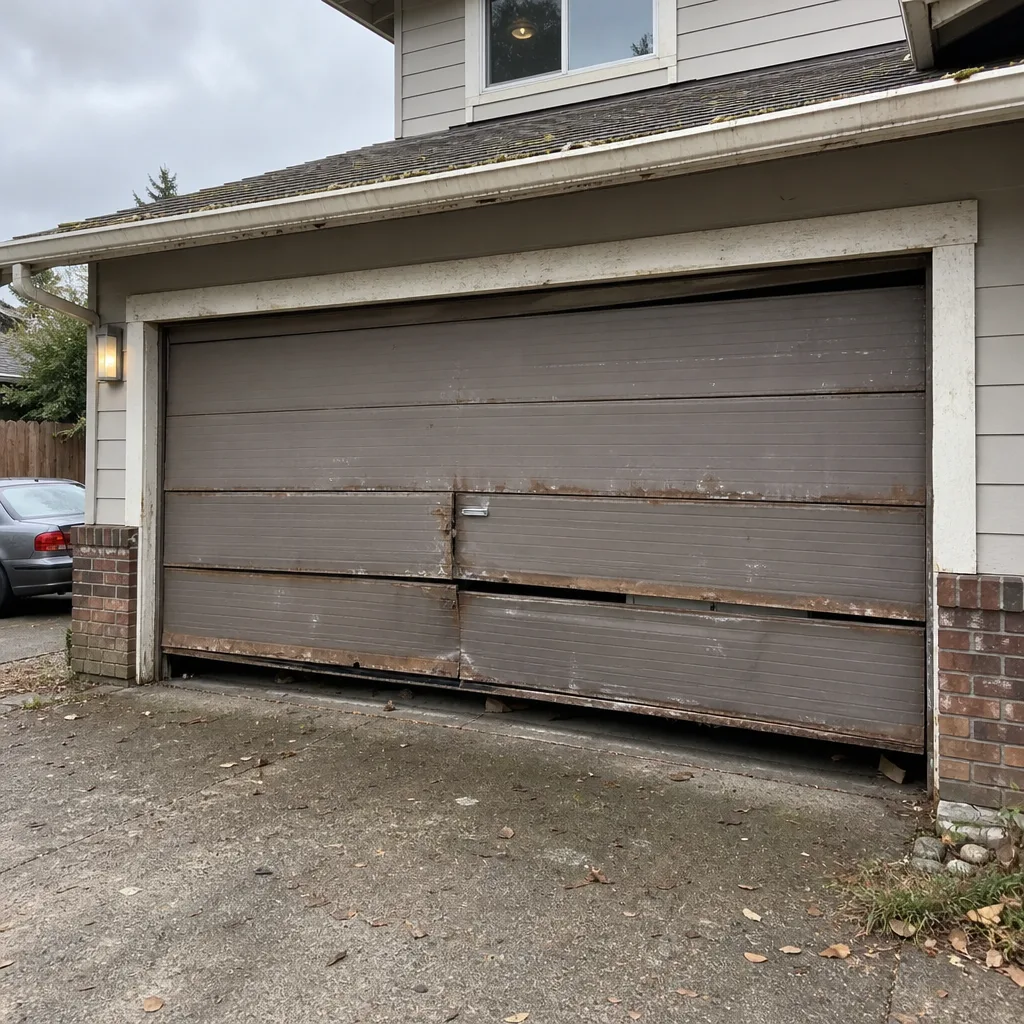 Before
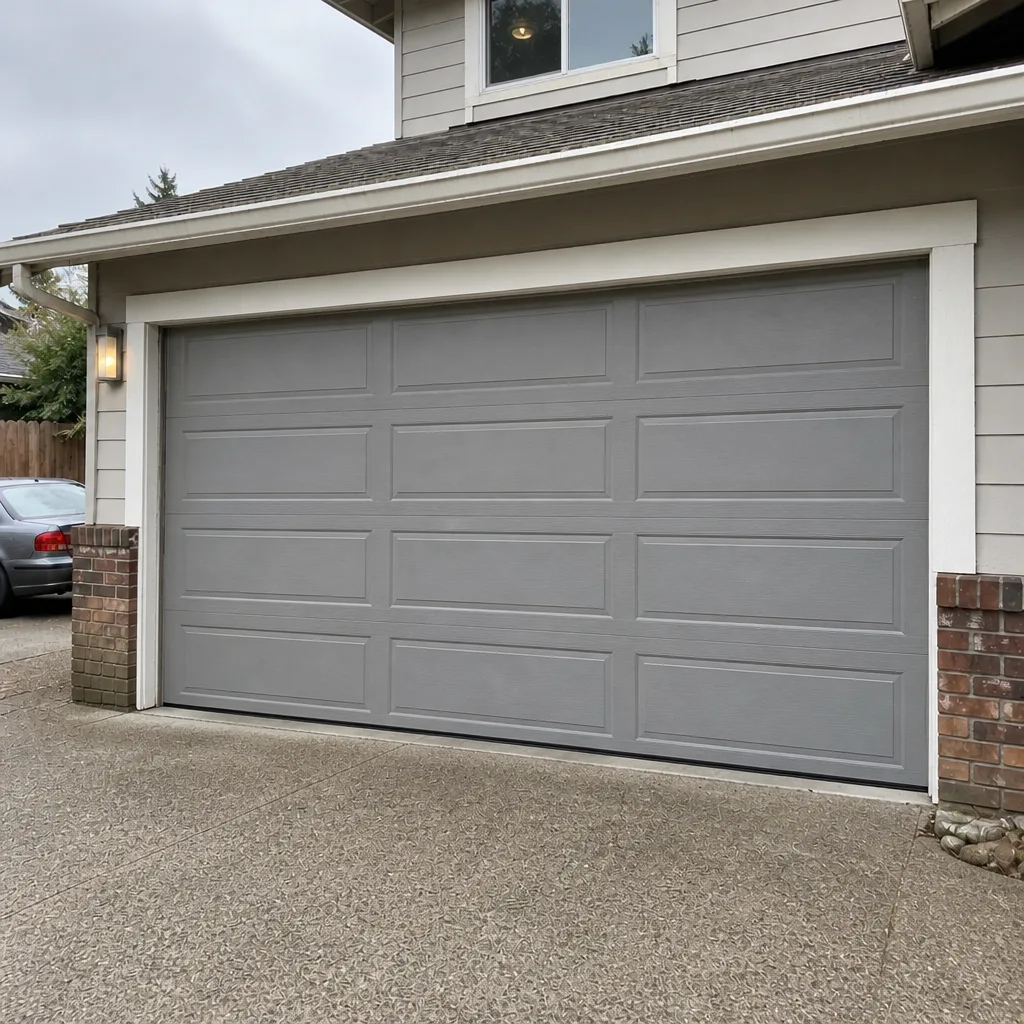 After
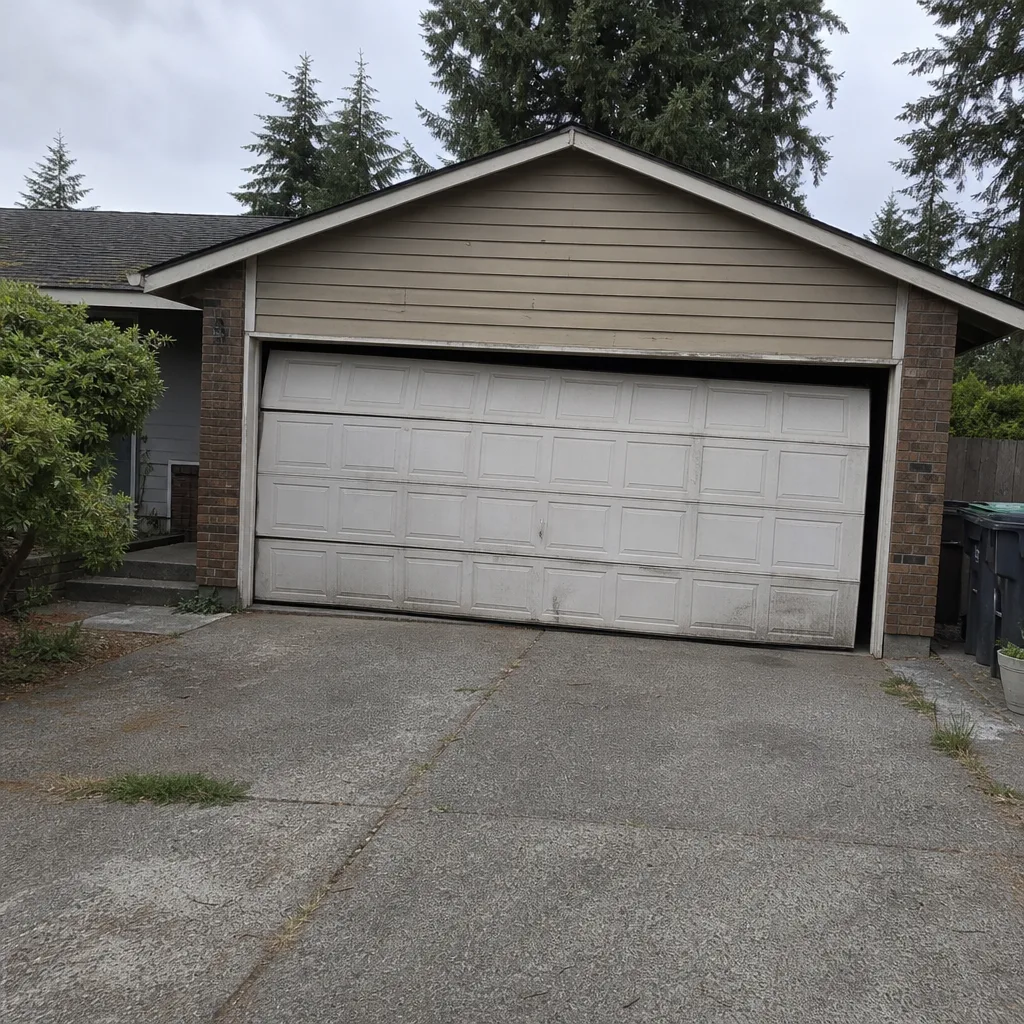 Before
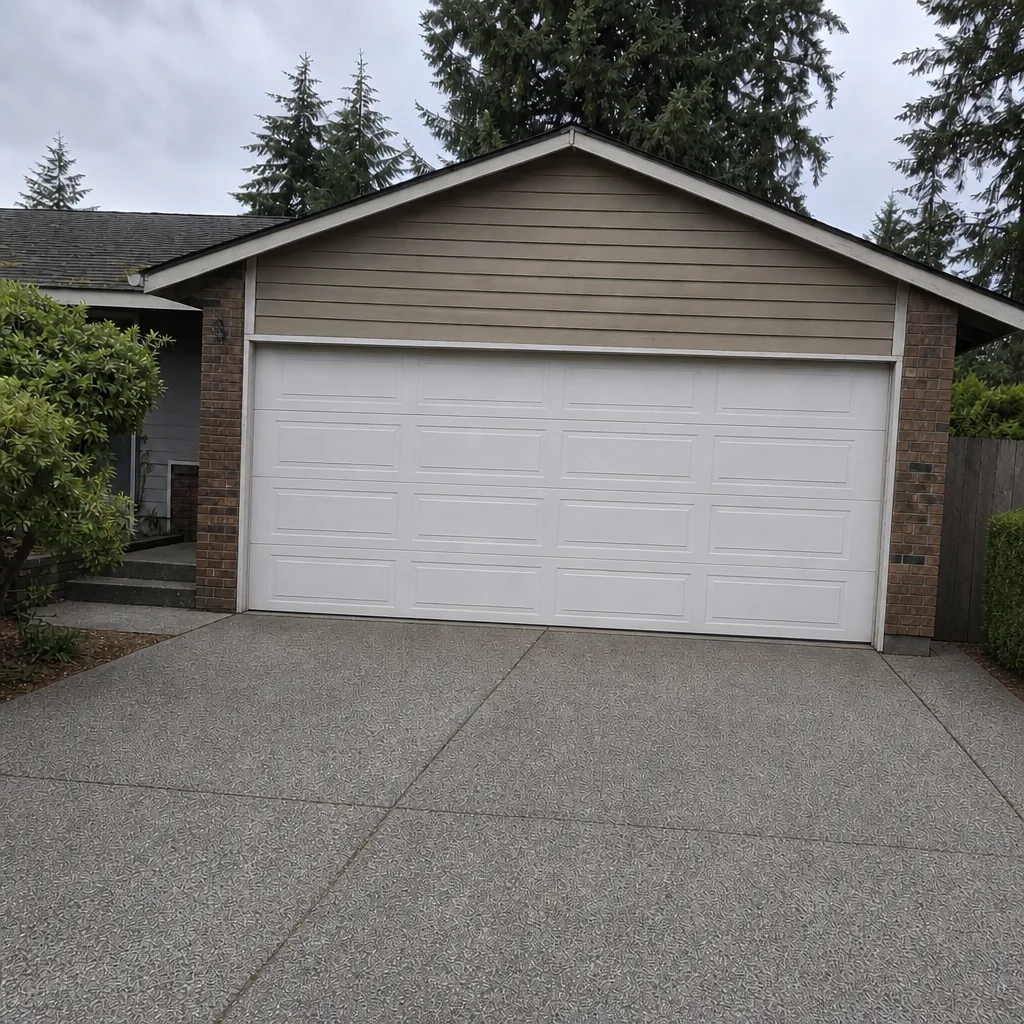 After
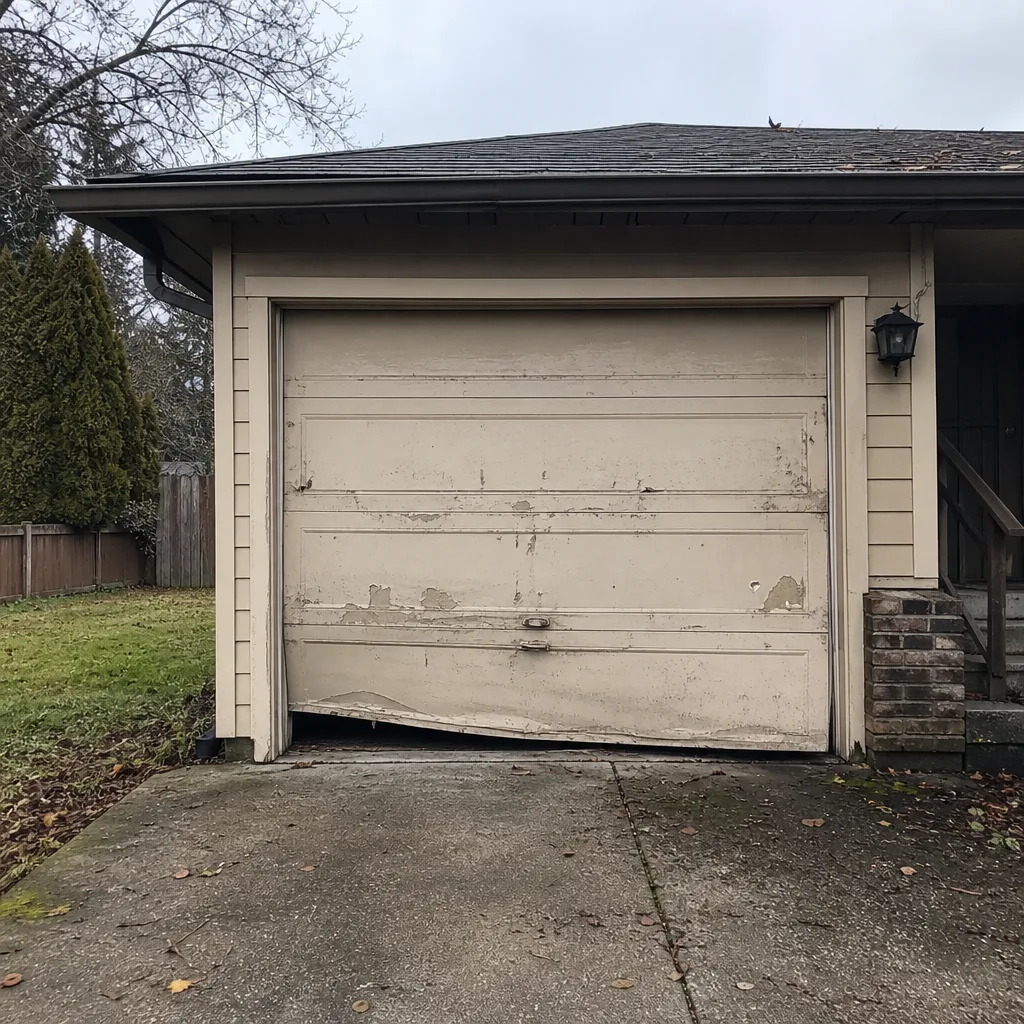 Before
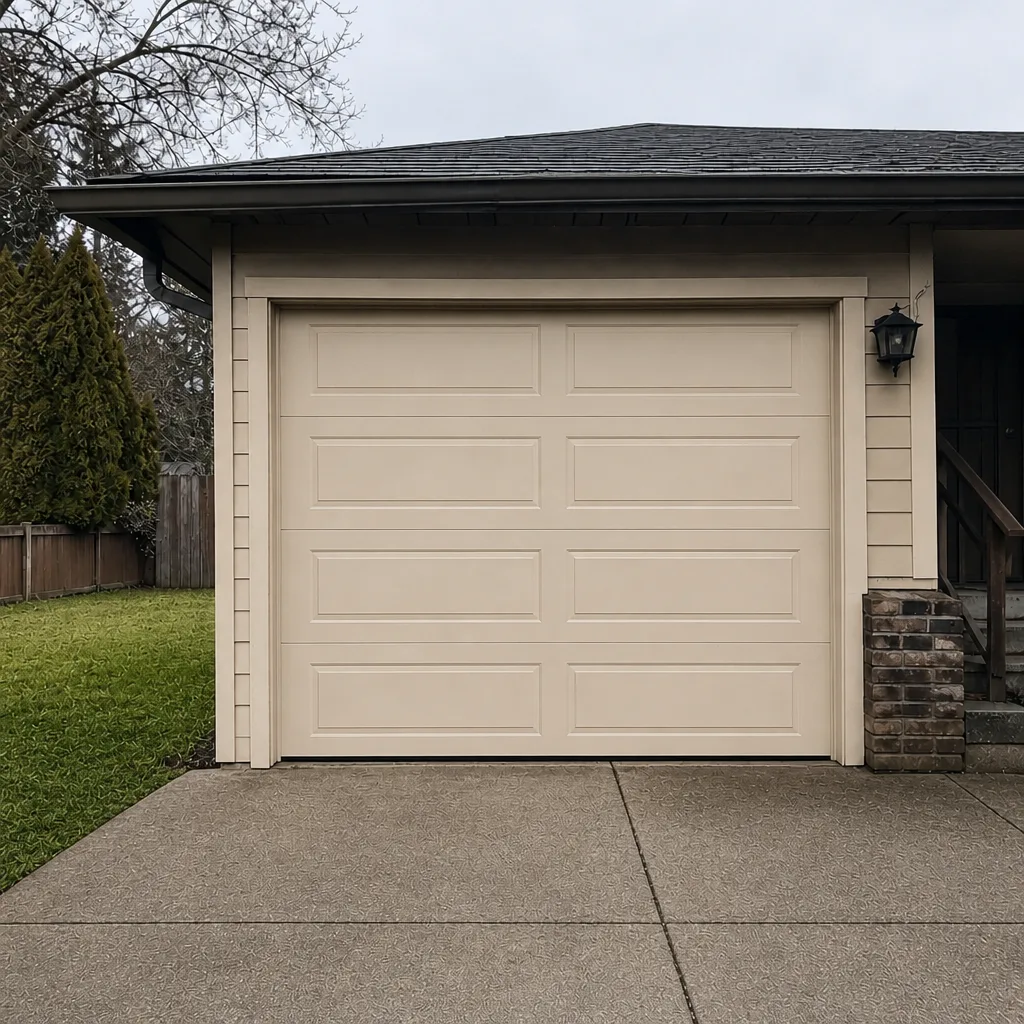 After
When to Call a Professional
Some signs are an ordinary nuisance, and some are a safety call. When the balance test shows a clear drift since the previous season, when a cargo or support cable looks kinked or loose, when the door comes off track, or when the opener won’t respond, it’s time to book a visit. The presence of a broken spring or a door stuck partway open should never wait. Those situations need a trained technician, and in Lynnwood we treat spring repair as its own safety-critical job. Lynnwood Garage Door Repair Pros offers free estimates in Lynnwood; call (855) 658-5277. For broader brand coverage or an installation question, the home page of garage door repair will get you started.
Frequently Asked Questions
Lubricate roughly every 1,500 cycles, which for a typical busy household is about every five months and for a four-a-day door about once a year at most. Counting your daily open-and-close movements and multiplying by 365 gives you the exact interval. A door that runs eight times a day needs it nearer every six months. Call (855) 658-5277 if you’d rather have it done for you – estimates are free.
Do a seal-and-tension check before the first hard freeze. Test weatherstripping compression with a piece of paper, look for cracks in the bottom seal, check the threshold gap with a straightedge, and run the spring balance test at three feet. If anything shows a warning sign, call a technician now rather than mid-winter. Free estimates are available through (855) 658-5277.
Disconnect the opener, lift the door to about three feet, and let go. A balanced door holds or drifts only a few inches. A door that drops means the springs have lost tension; a door that rises means they’re over-tensioned. Run the test every three months and note the result in your log. Never adjust the springs yourself – a sudden release can cause serious injury. Call a technician if the result changes.
No. WD-40 is a penetrating solvent, not a lubricant, and it strips the factory grease out of the roller bearing while attracting grit. Use a dedicated garage door lubricant or white lithium grease on rollers instead. The rollers will last longer and run quieter. If you’ve already used it and the rollers are grinding, call (855) 658-5277 for an inspection.
We work on LiftMaster, Chamberlain, Genie, Clopay, Amarr, Wayne Dalton, Craftsman and Raynor systems. Our technicians have up to 12 years of experience with these brands, so we know what typically wears first on each. Whether it’s an older Craftsman opener or a newer smart LiftMaster unit, the right parts are on hand and the diagnosis happens in one visit. Estimates are free at (855) 658-5277.
Keep a simple three-column log: date, estimated cycle count, and what you did or noticed. Include any repairs and who did them. Handing that log to a technician saves time and produces a more accurate estimate because they can see what’s been done and what hasn’t. A monthly reminder on your phone works fine.
The Bottom Line
The calendar won’t tell you when your garage door needs attention – cycles will. Count how often your door runs each day, lubricate roughly every 1,500 cycles, run the balance test every three months, and handle the Lynnwood pre-winter seal check before the first freeze. Use the right lubricants on the right parts, log what you do, and leave spring work to a professional. A short, consistent schedule catches problems while they’re still cheap, and that’s what keeps a door running smoothly through every wet winter.
Whether you’re in Lynnwood, Edmonds, or Mill Creek, our team handles the full range: repair, opener repair, spring repair, and full installation – with brand knowledge covering every major residential model. Call (855) 658-5277 for a free estimate.
Written by the team at Lynnwood Garage Door Repair Pros.