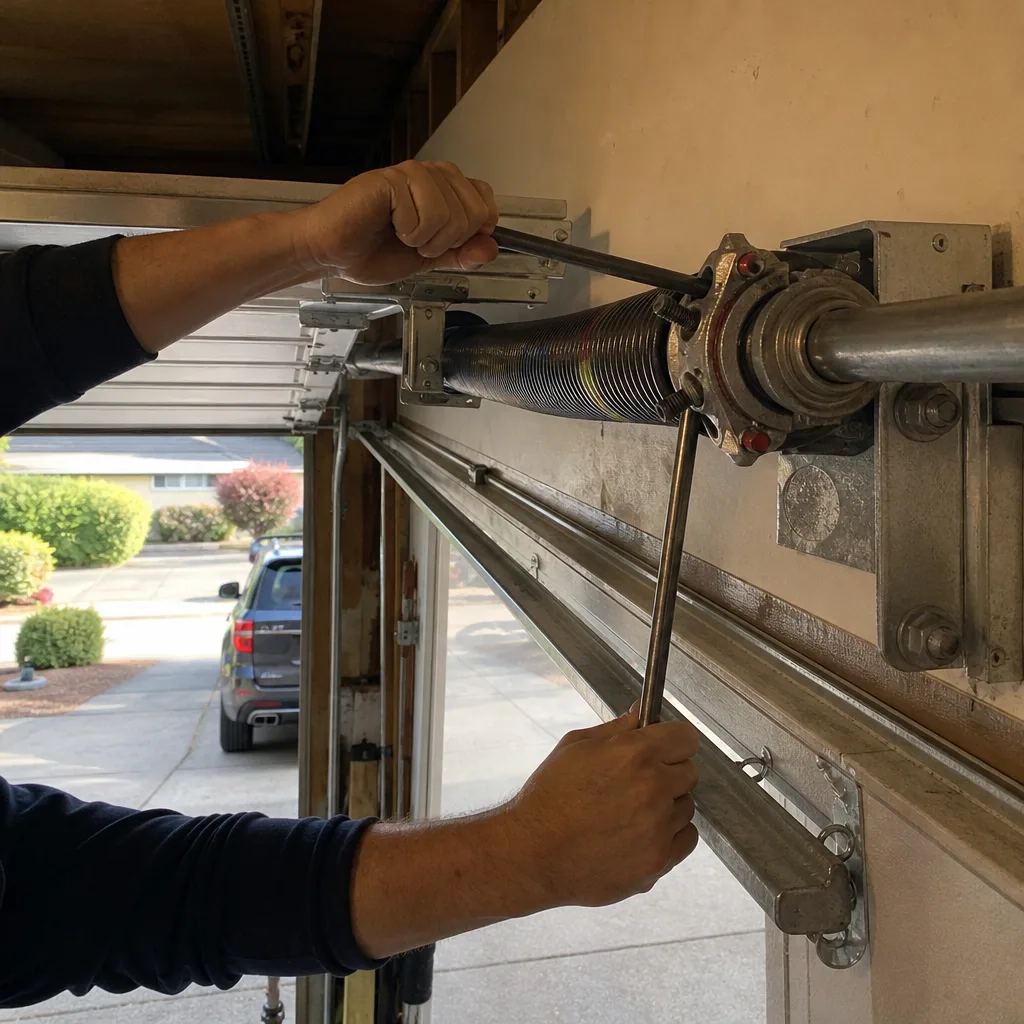
Last updated November 24, 2026
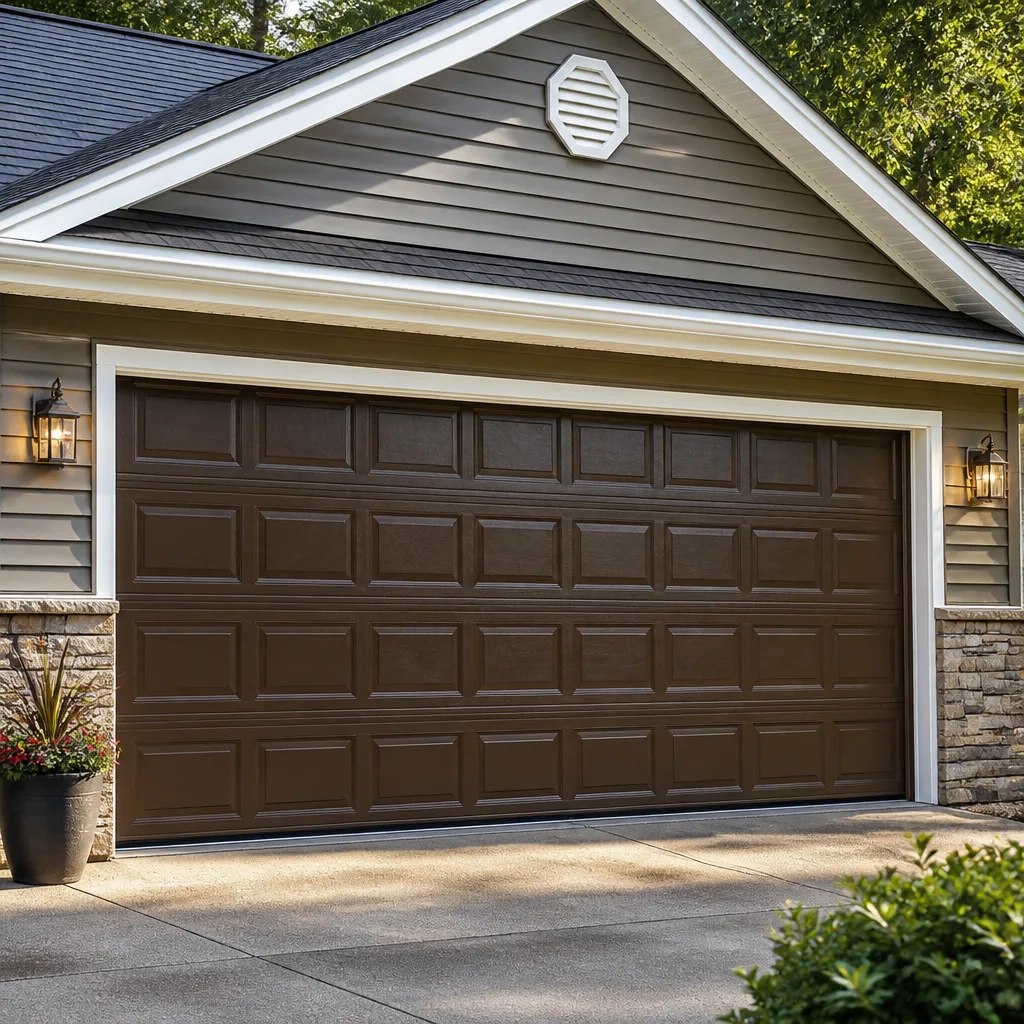 Raised-panel steel
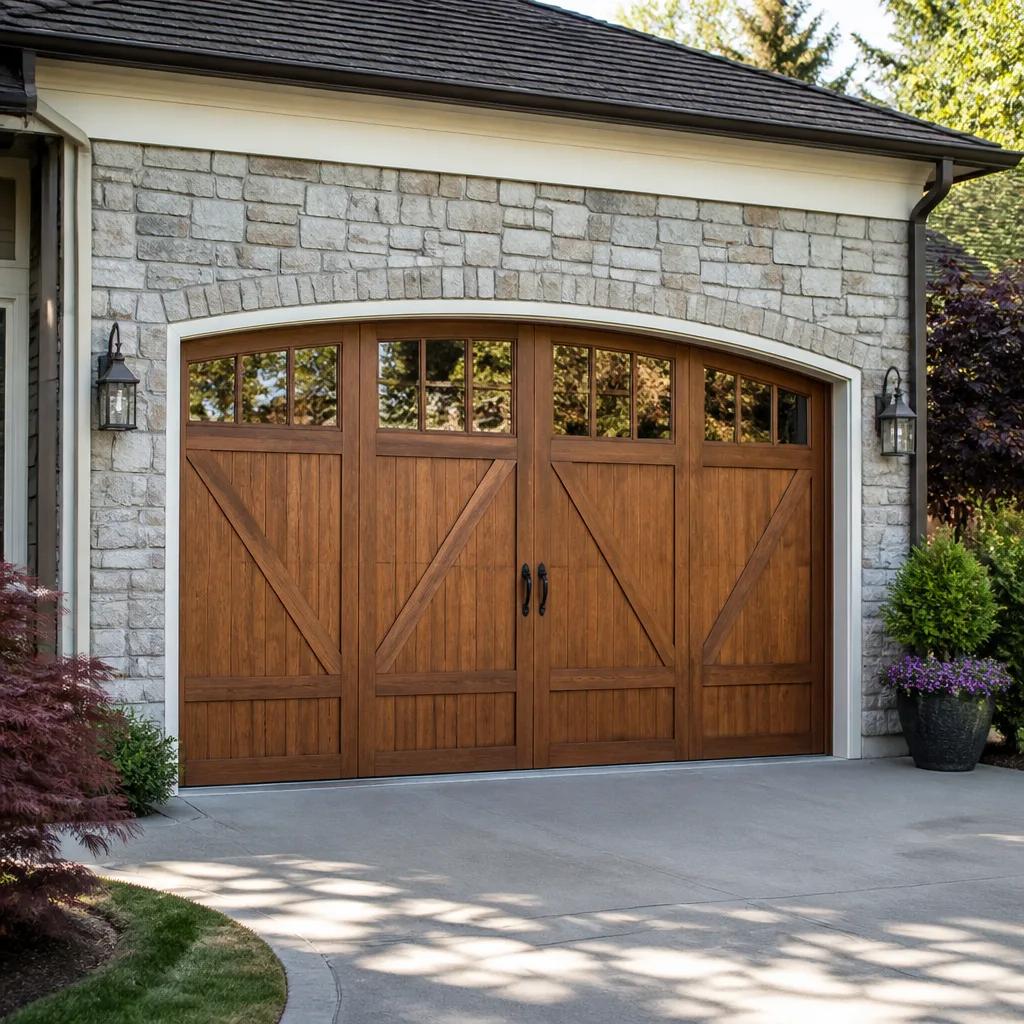 Carriage house
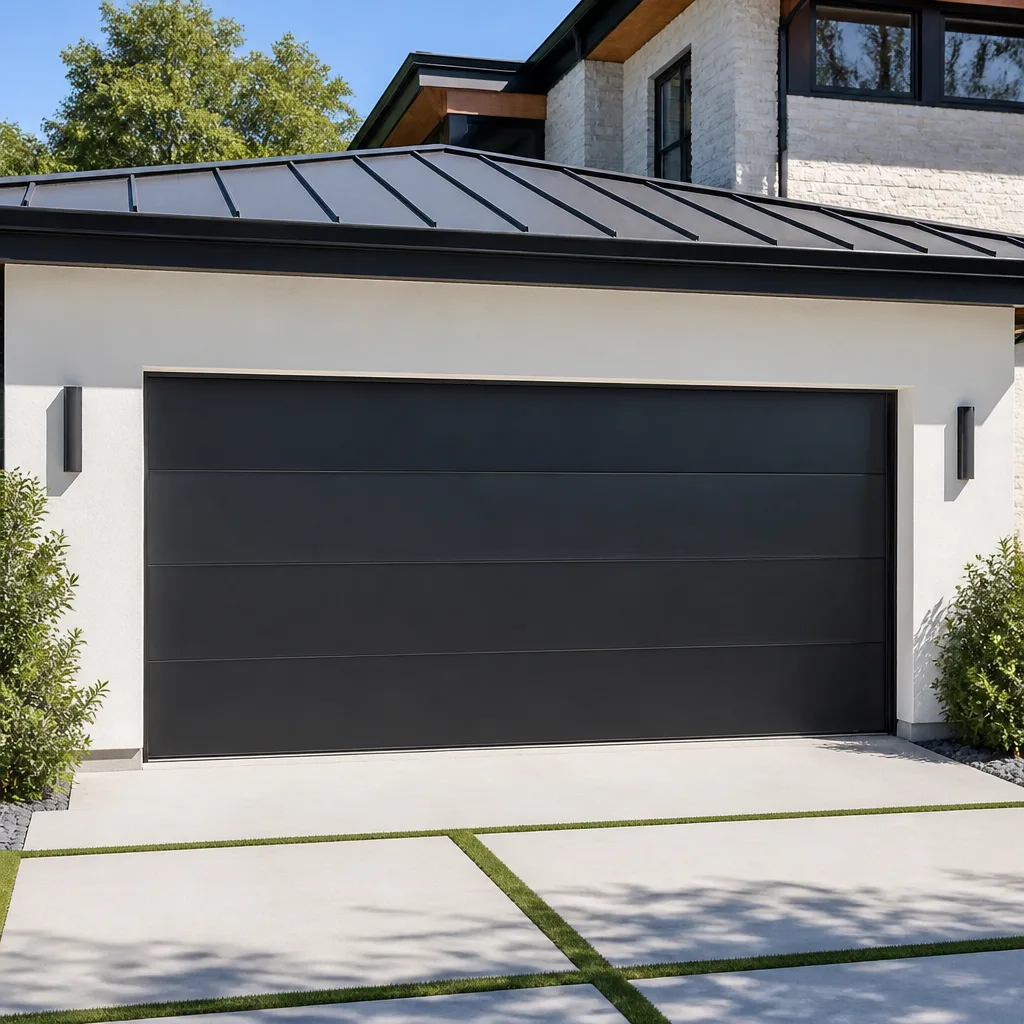 Modern flush
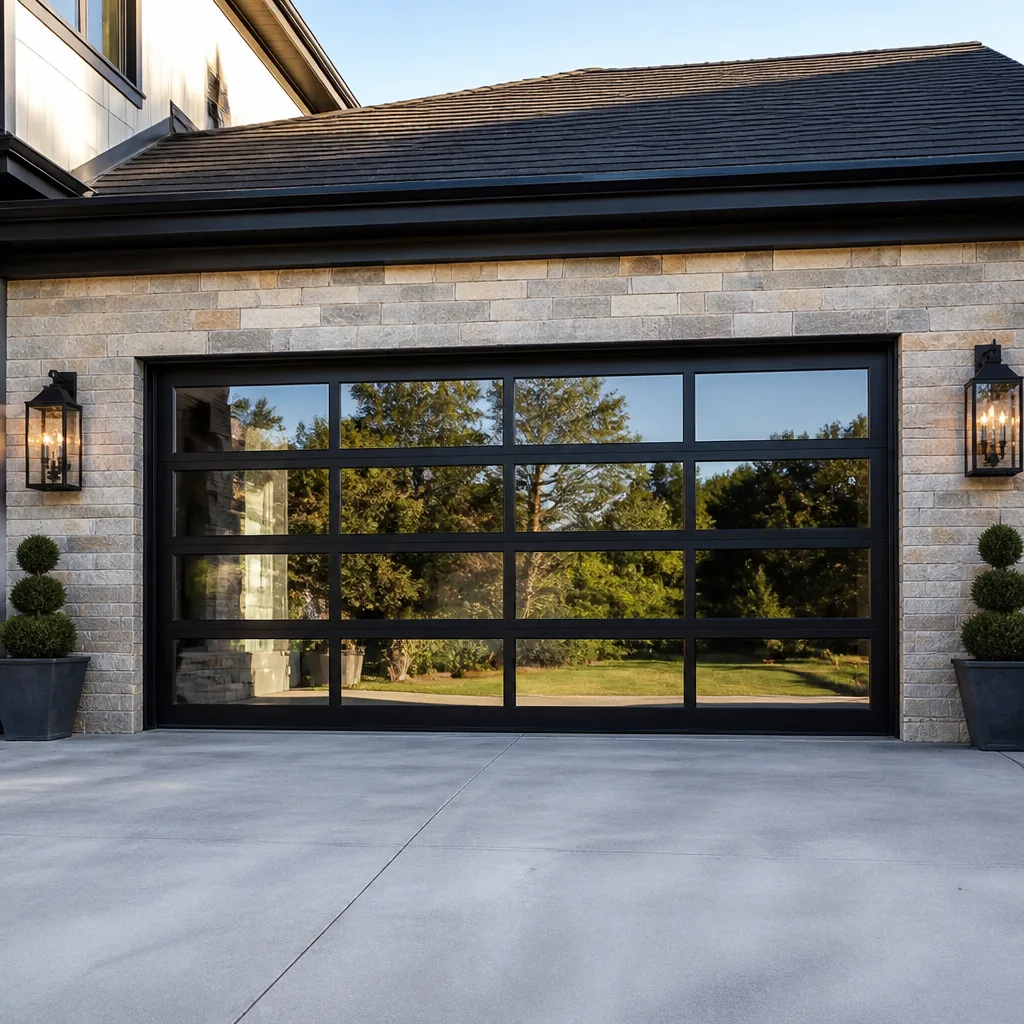 Full-view glass
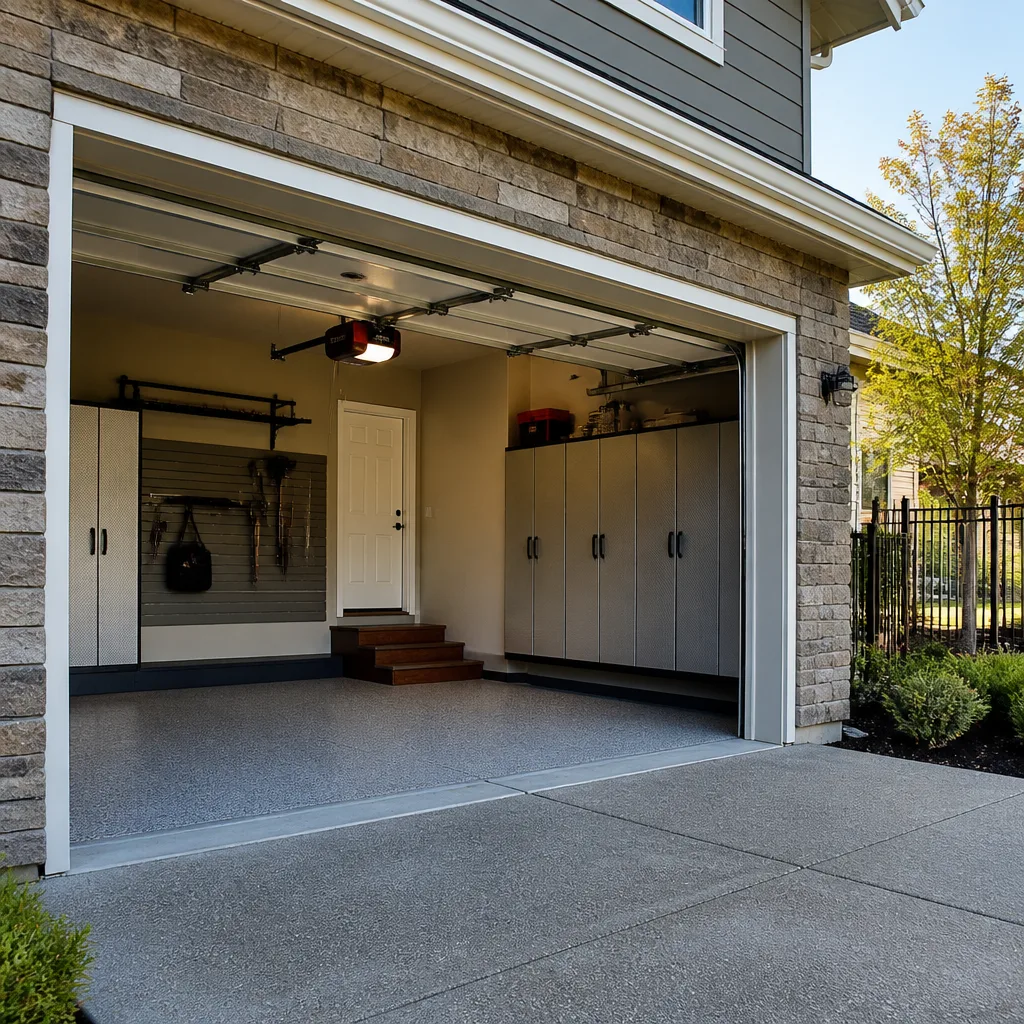 LiftMaster openers
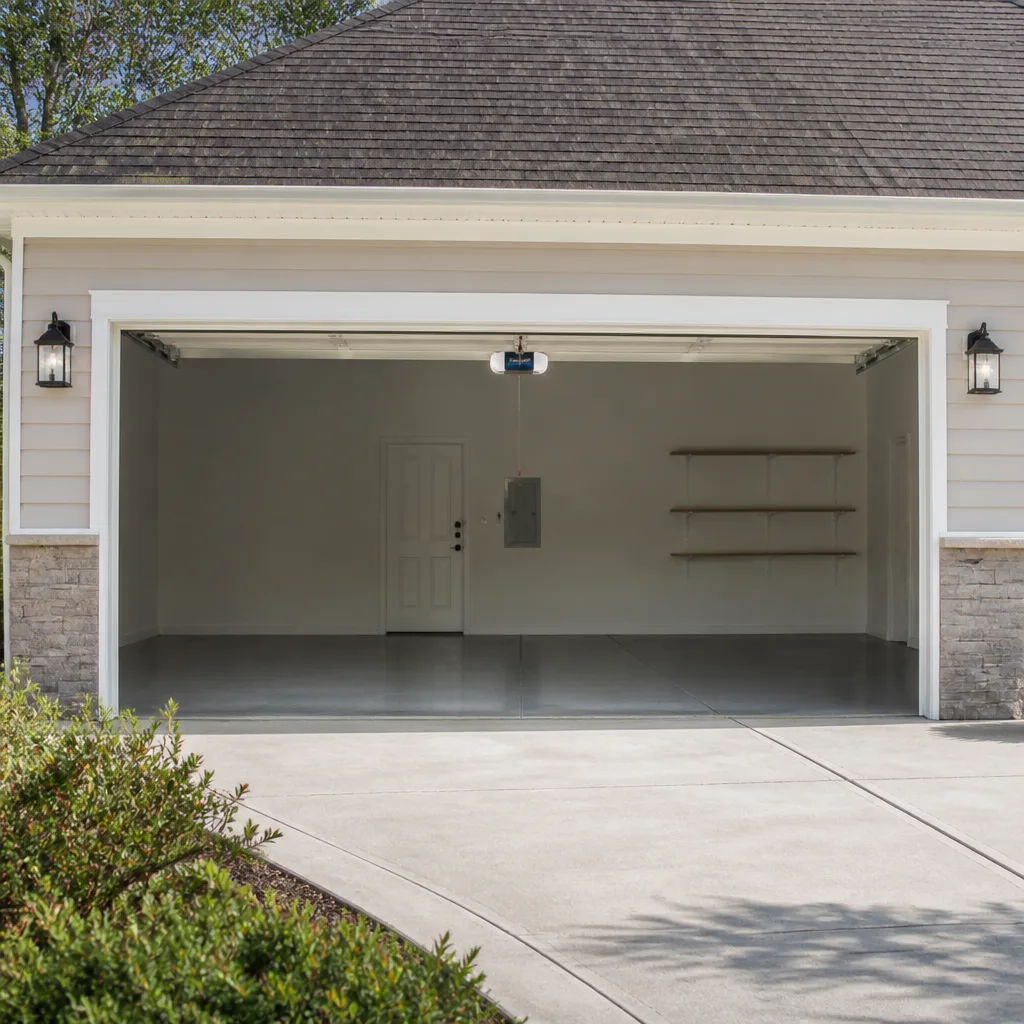 Chamberlain openers
Full 25-point door and opener safety check with every visit - springs, cables, rollers, tracks, and your LiftMaster or Chamberlain opener included
You get a price before we start. It does not change when the pro arrives.
Get your free estimateGarage Door Repair Troubleshooting in Lynnwood: Common Problems and How to Fix Them
A garage door that reverses before it closes isn’t always a sensor problem. In Lynnwood’s wet winters, it’s just as often a warped or waterlogged bottom seal pressing against the floor hard enough to trip the resistance sensor, and that distinction changes the entire repair path. One is a five-minute alignment fix. The other is a seal replacement you’ll be doing again next spring if you ignore it. Most garage door problems fall into one of four mechanical categories – electrical, mechanical balance, hardware, or operator error – and knowing which category you’re dealing with tells you immediately whether a fix is a quick DIY task or a call-it-now situation. This guide maps symptoms to root causes so you can stop guessing and start narrowing.
Quick Answer
Most garage door problems in Lynnwood trace back to one of four root causes: a misaligned safety sensor, a door that’s out of balance, worn hardware like rollers and hinges, or an opener setting that’s drifted out of adjustment. You can safely diagnose all four yourself using the manual release cord and a few visual checks. Spring and cable repairs are the exception – those carry real injury risk and belong with a trained technician, not a homeowner with a winding bar.
Styles & brands we work with
- Raised-panel steel
- Carriage house
- Modern flush
- Full-view glass
- LiftMaster openers
- Chamberlain openers
Table of Contents
- The Four-Category Diagnostic Framework
- How Pacific Northwest Humidity Affects Your Door
- Door or Opener? Using the Manual Release Cord
- Force-Limit and Travel-Limit Settings Explained
- Why Spring and Cable Work Isn’t a DIY Job
- Track Alignment and Seal Compression in Wet Weather
- Opener Symptoms: What Each One Actually Means
- When to Call a Professional
The Four-Category Diagnostic Framework
Before you touch anything, sort the symptom into a category. This is the single most useful troubleshooting step, because it stops you from adjusting opener settings when the real problem is a bent track, or replacing a sensor when the door is simply out of balance.
1. Electrical. The door won’t respond to the remote, the wall button, or both. Safety sensors may be misaligned, the opener may have lost power, or the logic board may be failing. Electrical problems usually show up as “nothing happens at all” rather than “the door moves but does it wrong.”
2. Mechanical balance. The door is heavy, slams down, drifts open on its own, or the opener strains to lift it. This almost always points to springs that have lost tension or a door that’s gone out of balance. Springs do most of the lifting; the opener only guides. When springs weaken, the opener takes on weight it was never built for.
3. Hardware. Rollers, hinges, bearings, and the bottom seal. Symptoms include grinding, squealing, a door that shudders as it travels, or gaps at the floor. Hardware wear is gradual and easy to overlook until something binds.
4. Operator error or settings drift. The door works fine manually but misbehaves when the opener runs it. Force limits, travel limits, and remote programming fall here. Modern garage door opener repair often comes down to a setting that shifted rather than a part that failed.
Sort your symptom into one of these four boxes first. Nine times out of ten, the box tells you whether you’re looking at a 10-minute adjustment or a technician call. Lynnwood homes with older doors and original openers tend to land in the mechanical balance and hardware categories more often than the electrical one.
How Pacific Northwest Humidity Affects Your Door
Lynnwood sits in a climate that swings between damp winters and dry summers, and that cycle works on a garage door in ways homeowners don’t expect. Wood and composite door panels absorb moisture in the wet months and swell slightly, then shrink and contract when the dry season arrives. Steel panels don’t swell, but the insulation behind them and the bottom seal do.
Here’s where that shows up in practice:
- Seal compression. A rubber bottom seal stiffens in cold, wet weather and can stop compressing fully against the concrete. That’s the warped seal scenario that mimics a sensor fault, and it’s a common reason a door in Lynnwood starts reversing every winter.
- Door balance drift. Swelling panels add weight; shrinking panels change the door’s center of gravity. A door that balanced fine in July can feel heavy by January, and the opener starts working harder without any part actually failing.
- Track alignment. Wood framing around the garage opening moves with the seasons. The track is bolted to that framing, so a track that was plumb in fall can drift a fraction of an inch by spring. A track that’s even slightly out of alignment makes rollers bind and the door shudder.
- Hardware lubrication. Humidity strips lubricant from rollers and hinges faster than dry climates do. Grinding and squealing in Lynnwood are often a lubrication problem before they’re a worn-parts problem.
If your door acts up every wet season and settles down in summer, you’re not imagining it. Seasonal movement is real, and it’s the reason so many Lynnwood homeowners end up calling for garage door repair in late fall or early winter. A tune-up that re-balances the door and re-lubricates the hardware before the rains arrive saves a lot of guesswork later.
Door or Opener? Using the Manual Release Cord
This is the most useful diagnostic step in the whole guide, and it takes about 30 seconds. The manual release cord hangs from the opener trolley, usually with a red handle. Pulling it disconnects the door from the opener so you can move the door by hand. That single test tells you which half of the system is broken.
Here’s the sequence:
- Close the door and pull the release cord. The trolley detaches from the door arm with a click. You’re now moving the door by hand, independent of the opener.
- Lift the door halfway by hand. A properly balanced door should rise with modest effort and stay put when you let go at the halfway point. If it drops, the springs are too weak. If it won’t stay down, the springs are too strong.
- Raise the door fully and lower it slowly. It should travel smoothly with no binding, scraping, or sudden lurches. Grinding means hardware. A lurch at one spot means a track or roller problem.
- Reconnect the trolley. Run the opener through a full open-and-close cycle. If the door misbehaves with the opener but moved fine by hand, the problem is in the opener – force limits, travel limits, or the logic board.
One caution: never pull the release cord when the door is open and the springs look broken. A door with failed springs and the opener disconnected can come down hard. If the door feels extremely heavy on that first lift, stop and set it back down slowly. You’ve just confirmed a spring problem, and that’s a technician job.
The result of this test decides everything that follows. Door moves fine by hand but the opener won’t run it: operator or settings. Door is heavy or binds by hand: mechanical or hardware. Either way, you now know what to ask about when you call, which is the difference between a quick diagnosis and a technician hunting around for an hour.
Force-Limit and Travel-Limit Settings Explained
Openers have two settings that cause more confusion than any other part of the system: the force limit and the travel limit. They sound similar. They do completely different things, and messing with the wrong one can mask a serious problem.
The force limit controls how hard the opener pushes or pulls before it reverses. It exists as a safety feature – if the door hits something or meets unexpected resistance, the opener should stop and reverse, not force its way through. When the force limit is set too low, a door that’s slightly stiff will reverse for no obvious reason. When it’s set too high, the opener can push through resistance it should have sensed, which is exactly what you don’t want.
The travel limit controls how far the door opens and closes. It’s the setting that tells the opener “the door is fully down” or “the door is fully up.” When the travel limit drifts, the door stops short of the floor or keeps running after it should stop.
When should you adjust them, and when shouldn’t you?
- Adjust the travel limit if the door consistently stops a few inches short, or if it appears to run past the fully closed position. That’s usually a mechanical drift or a logic board issue, and it’s safe to recalibrate per your opener’s manual. LiftMaster and Chamberlain units walk you through it clearly.
- Adjust the force limit only as a temporary fix. If the opener is reversing because the door has become heavy, raising the force limit doesn’t fix anything – it just hides a spring or balance problem while the opener wears out faster. If you find yourself repeatedly bumping the force limit up, that’s your signal to call for a real diagnosis.
- Never solve a reversing door by cranking up force. A door that reverses on the way down is doing its job. The real cause is usually resistance, which means something needs fixing, not a setting that needs loosening.
We see this a lot on Genie and Craftsman openers still running in Lynnwood homes: the force setting has been nudged up over the years until the opener has almost no safety margin left. A proper garage door opener repair visit resets it to spec and checks why the resistance crept in to begin with.
Why Spring and Cable Work Isn’t a DIY Job
We want to explain this mechanically rather than just as a warning, because the mechanics are the reason. A garage door spring is under enormous tension. A torsion spring on a typical residential door is wound hundreds of times and stores enough energy to lift the full weight of the door. That stored energy is released the instant the spring or cable holding it is cut or released, and a winding bar under that load can turn into a projectile.
What goes wrong with DIY spring and cable work:
- Releasing stored tension. On a torsion spring, the winding bars you use to unwind the spring need to be fully engaged in the winding cone. If they slip, the spring unwinds in a fraction of a second with the door attached.
- Cable tension. Cables hold the door level on both sides. A cable under tension that snaps can whip with enough force to cause serious injury.
- The door can fall. During a spring replacement, the door has no counterbalance until the new spring is wound. The wrong move and the door comes down.
- Wrong spring choice. Springs come in matched pairs sized to the door’s weight and cycle life. A mismatched spring wears out fast and puts unbalanced load on the opener and cables. This is a measurement job as much as a strength job.
A snapped spring in Lynnwood is a common call for us, and we treat garage door spring repair as its own specialized service for exactly this reason. Spring repair has genuine injury risk, and it also has to be done right: the correct spring for the correct door, correctly wound, with the cables re-tensioned and the door re-balanced before anyone touches the opener. A technician with winding tools and a spring gauge does it safely in about an hour. A homeowner with a couple of socket wrenches and a video is risking real injury for a job that has no margin for error.
The short version: if the door won’t lift, feels extremely heavy, or you hear a loud bang from the garage, stop. That’s a spring or cable failure, and it’s the one category on this list where DIY isn’t worth considering.
Track Alignment and Seal Compression in Wet Weather
Track and seal problems are the two most underdiagnosed issues in this climate, and both get worse in wet weather. Tracks are bolted to the wood framing around the garage opening, and that framing shifts as the seasons change. A track that’s a fraction of an inch out of plumb will make the door bind as it travels, then bind harder when the door swells in winter. Seal compression is the other side of the same coin – the bottom seal has to meet the concrete evenly to work, and swelling or shifting makes that harder.
What to check for track issues:
- Look down the track from the bottom. Wet a finger and run it along the inside edge. You should feel a smooth line. Bumps, kinks, or a visible bend mean the track needs adjustment or replacement.
- Check the gap on both sides. The door should sit evenly in the tracks. If one side has more clearance than the other, the track has shifted.
- Watch the rollers travel. A roller that jumps or sticks at a specific point means the track is out of alignment at that spot.
- Listen at slow speed. Manually move the door slowly with the release cord pulled. Grinding at one spot in the travel is a track or roller problem, not a lubrication problem.
For the bottom seal, run a hand along the floor inside the closed door. You should feel an even, firm contact line. Gaps, soft spots, or a seal that’s visibly warped against the floor mean it’s not doing its job – and in Lynnwood’s wet months, a failing seal is also why water, cold, and pests get in. A warped seal can trigger the resistance sensor, which is the reversing-door problem from the opening of this guide. The fix is straightforward: re-compress or replace the seal, and re-balance the door if the swelling has thrown it off. That’s one of the checks we do on any garage door repair call in Lynnwood, because it’s cheaper to fix the seal than to spend a season watching your door reverse for no reason.
Opener Symptoms: What Each One Actually Means
Openers are reliable, but they give you clear signals when something’s wrong. Here’s what the common symptoms usually point to, whether you’re running a newer LiftMaster with smart-home controls or a Craftsman that’s been in the house since it was built.
- Door reverses immediately after starting to close. Most often a safety sensor issue (something blocking the beam, misalignment, or a dirty lens), but as covered above, a warped bottom seal can cause the same symptom. If the sensors are clean and aligned and the door still reverses, check the seal.
- Door won’t respond to the remote but works from the wall button. Remote battery, remote programming, or the receiver in the opener. It’s rarely the opener itself.
- Door opens partway and stops. Travel limit drifting, or the opener hitting its force limit on a door that’s gone heavy. The manual release test tells you which.
- Door runs but the opener strains or hums without moving. The opener is trying to lift more weight than it’s rated for. That points to spring or balance issues, not the opener, and forcing it will burn out the motor.
- Door opens by itself at odd times. Usually a stray signal, a neighbor’s remote on the same frequency, or a failing logic board on a smart-enabled unit. LiftMaster and Chamberlain openers with MyQ connectivity occasionally need their network or pairing reset.
A note on smart openers. Modern LiftMaster and Chamberlain units integrate with phone apps and home assistants, which makes them more capable but also more dependent on connectivity. A door that won’t respond to the app but works fine from the wall is a network problem, not a mechanical one. That’s a different call than a door that won’t move at all.
We work on all the major brands – LiftMaster, Chamberlain, Genie, Clopay, Amarr, Wayne Dalton, Craftsman, and Raynor – which means we know the specific quirk behind each symptom before we arrive. A Genie travel limit behaves differently from a Raynor, and the troubleshooting sequence isn’t the same for every model. When you call garage door opener repair for a Lynnwood home, tell us the brand and model if you can find it on the opener housing. It gets us to the right part faster.
Common Mistakes to Avoid
- Cranking up the force limit to stop a reversing door. This hides a real problem, usually resistance from a heavy door or a failing seal, and it disables the safety feature that prevents injury. Fix the cause, not the setting.
- Assuming every reversing door is a sensor problem. In Lynnwood’s wet winters, a warped bottom seal is just as likely. Run your hand along the closed door’s bottom edge before you blame the sensors.
- Lubricating the tracks. Tracks should be clean and dry; the rollers need the lubricant, not the rails. Greasing the tracks attracts grit and makes the door bind worse.
- Ignoring seasonal balance drift. A door that balanced in summer can be out of balance by winter as framing and panels move. Checking balance with the manual release is a five-minute task that saves a bigger repair.
- Replacing the opener when the door is the problem. A new opener on an out-of-balance door will fail faster than the old one. Fix the door first, then decide about the opener.
- Trying spring or cable work as a weekend project. The stored energy in a garage door spring is not a hobby-level risk. This is the one category where the answer is always “call someone.”
- Waiting until a small grinding noise becomes a snapped cable. Worn rollers and hinges give you weeks of warning. A little maintenance now prevents a mid-winter emergency.
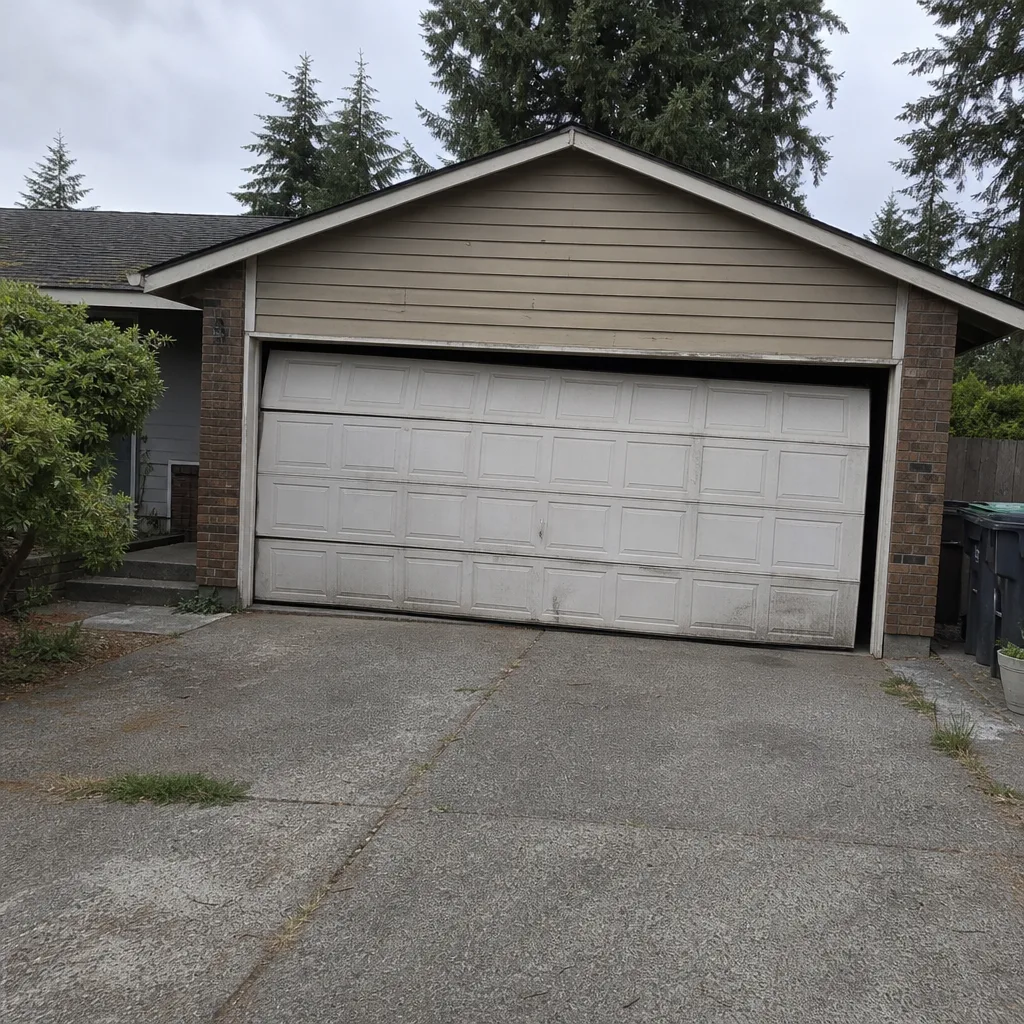
See the difference
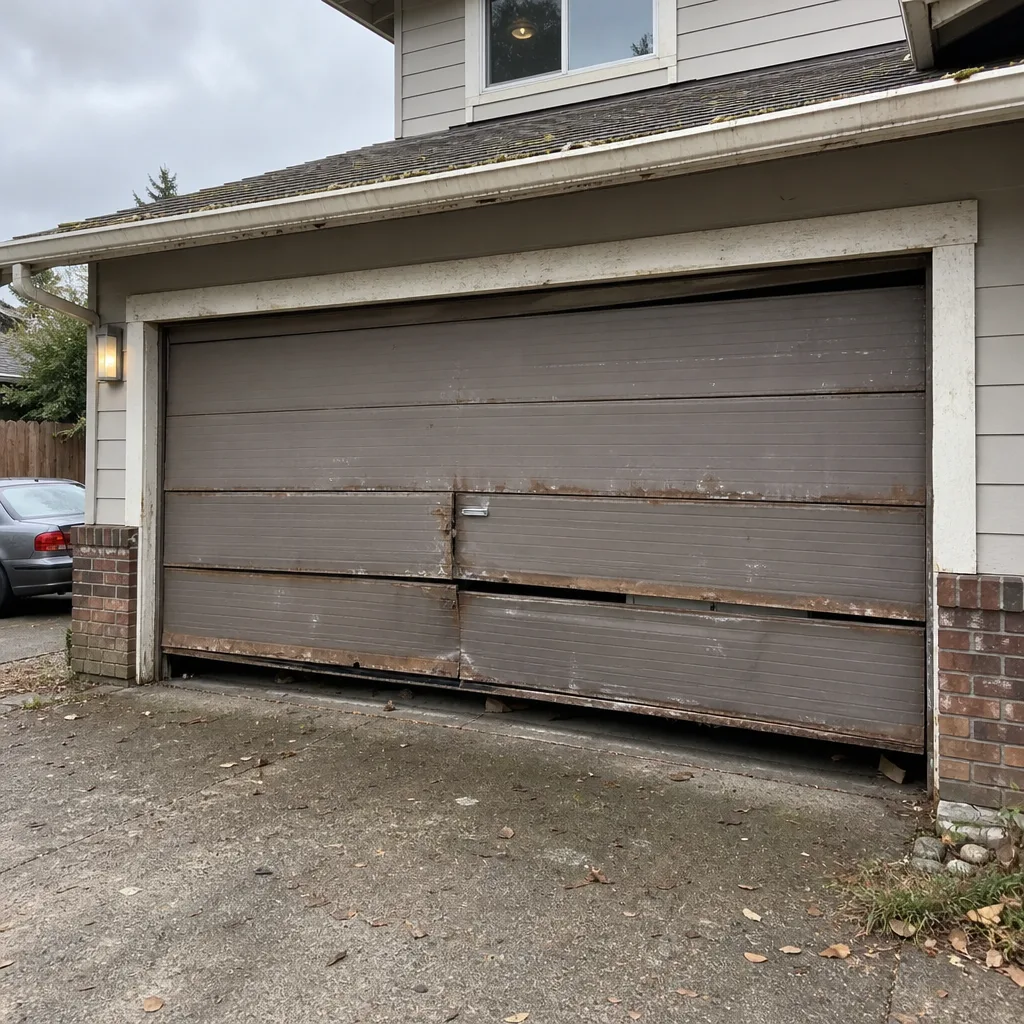 Before
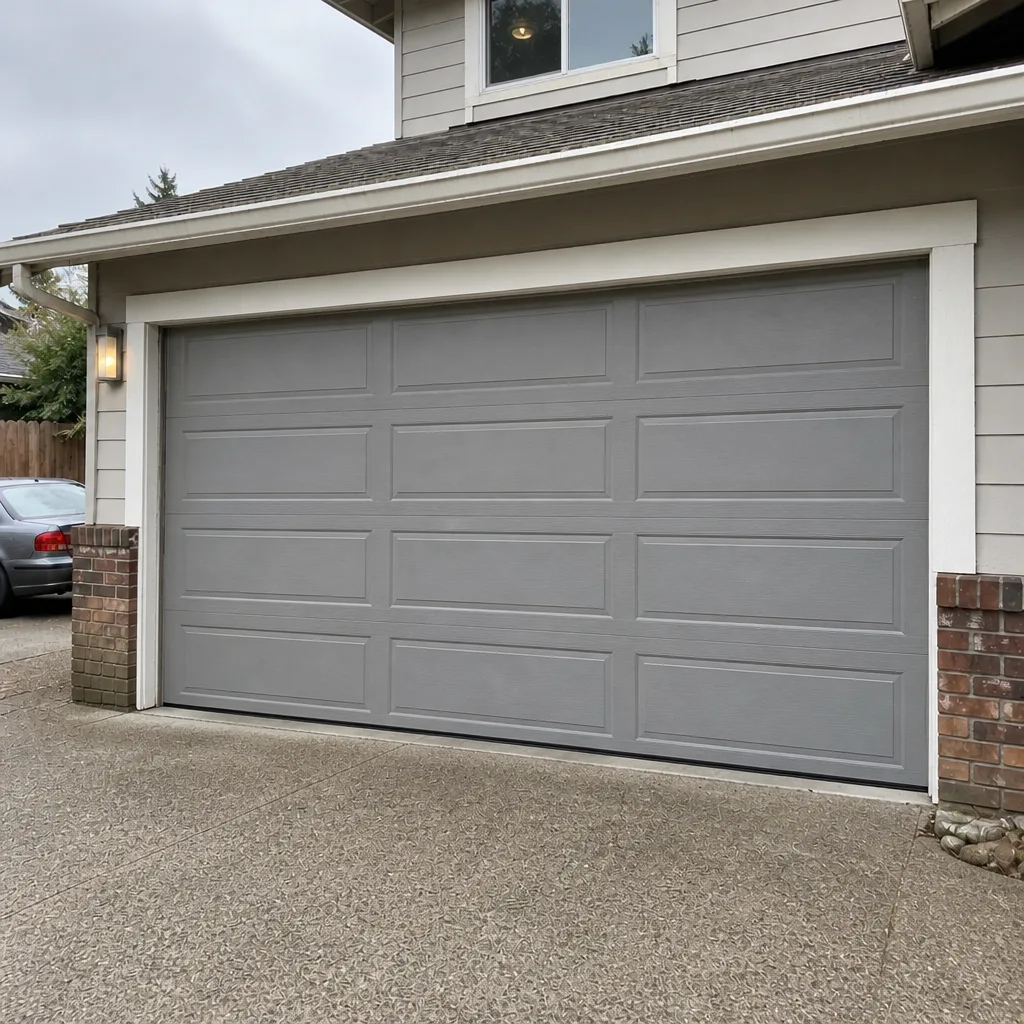 After
 Before
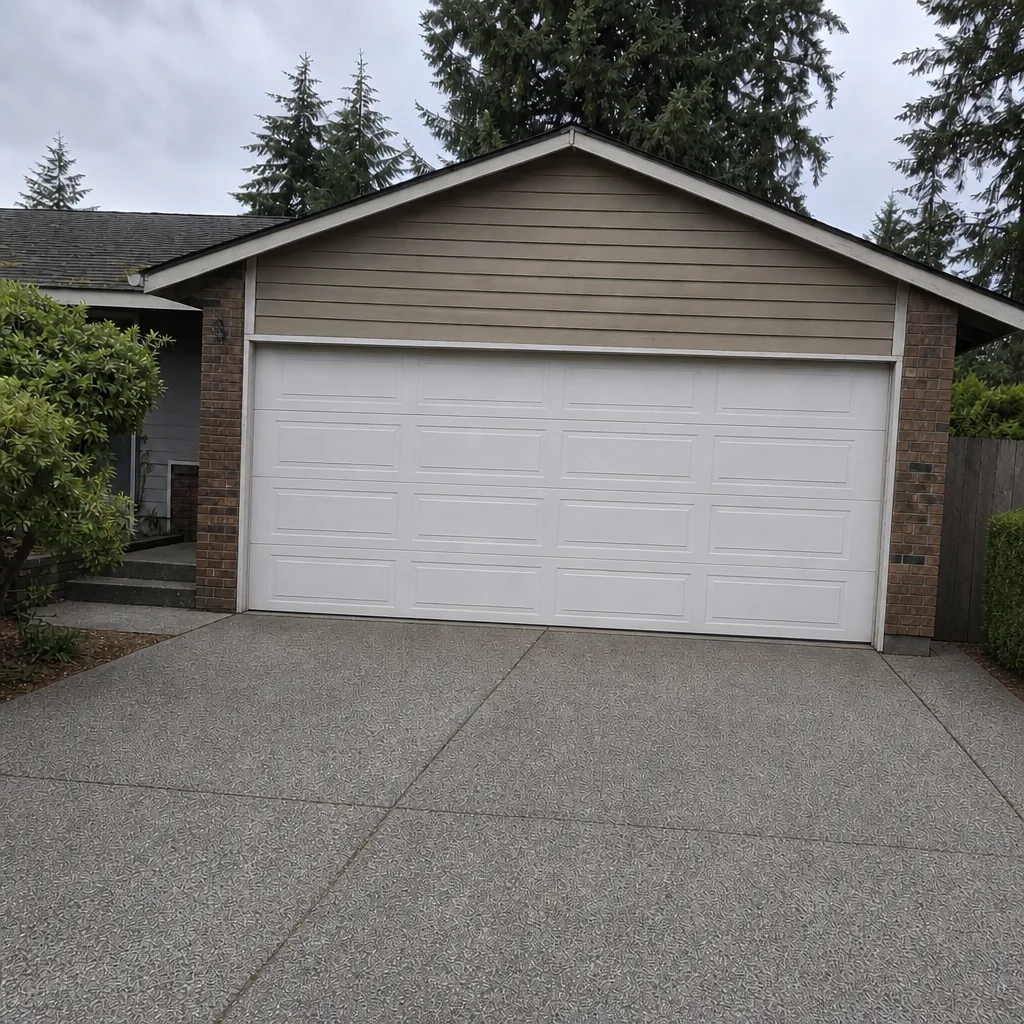 After
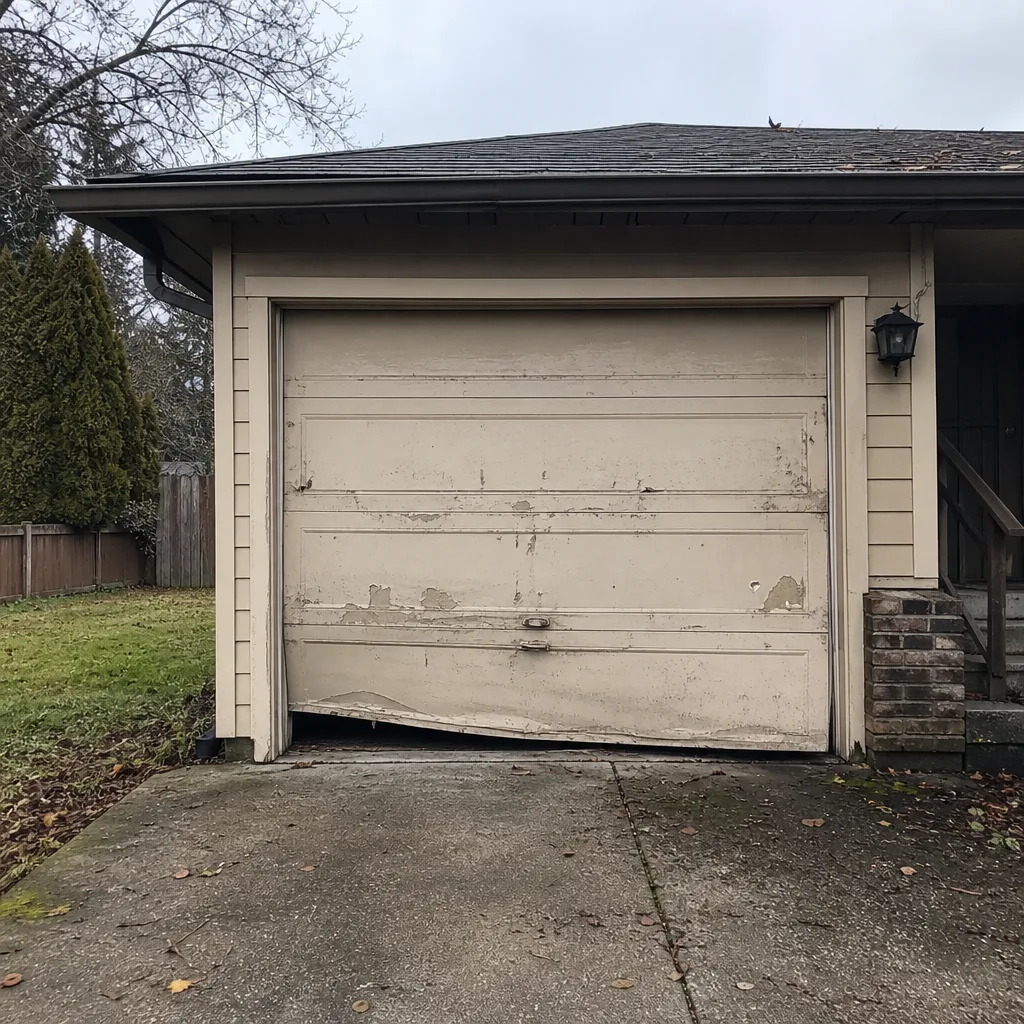 Before
 After
When to Call a Professional
Call a professional for anything involving springs, cables, or a door that has come off its tracks entirely. Call us sooner if the door won’t stay closed at all, which is a security and safety issue on a Lynnwood home, or if the opener is humming without moving the door, since running it like that can burn out the motor. For a snapped spring, a door that’s stuck open, or a door that’s visibly off-track, that’s the emergency category and it needs attention before it gets worse.
The rest of the list – a misaligned sensor, a gummy track, a door that needs rebalancing – is work you can do or defer, but there’s no harm in having it looked at. Lynnwood Garage Door Repair Pros offers free estimates in Lynnwood, and our technicians have up to 12 years of experience across every major brand. Whether you’re dealing with one of the eight leading brands or an off-brand opener, the diagnosis, parts, and labor are handled by the same team. Call (855) 658-5277 for a free estimate and we’ll tell you what’s actually wrong before anything is touched.
Frequently Asked Questions
Most reversing doors are tripping the safety sensor or the resistance sensor, and the two are different problems. A blocked or misaligned beam causes a sensor trip; a warped or stiff bottom seal pressing hard against the floor causes a resistance trip, which is common in Lynnwood’s wet winters. Check the seal along the bottom edge before you assume it’s the sensors. Call (855) 658-5277 if the sensor alignment is clean and the door still reverses – estimates are free.
Travel limits are generally safe to recalibrate yourself using your opener’s manual, since they only set how far the door travels. Force limits should only be adjusted as a temporary measure – if you keep increasing force to stop a reversing door, that’s a sign of a balance or seal problem the setting is hiding. Have the underlying cause checked instead.
Pull the manual release cord and try lifting the door by hand. If it moves easily and stays halfway up, the problem is in the opener – settings, remote, or logic board. If it’s very heavy, won’t stay up, or won’t move at all, the problem is the door’s springs, balance, or hardware. That one test narrows it in seconds.
Spring repair is priced per job after a technician assesses the door and confirms the right spring size, so we don’t quote a number before we see it. What matters is that the spring is matched to your door’s weight and re-balanced correctly, because a mismatched spring fails early and strains the opener. Call (855) 658-5277 for a free estimate – estimates are free.
Grinding is usually hardware: worn rollers, dry hinges, or a track that’s drifted out of alignment at one spot. Lubricate the rollers – not the tracks – and check whether the noise is at a specific point in the door’s travel. If it’s localized to one spot, the track likely needs adjustment.
Repair usually makes sense when the door’s panels, springs, and hardware are sound and the problem is a single failed part. Replacement makes more sense when panels are rusted through, the door is chronically out of balance, or repairs are stacking up. A technician can give you a straight answer on which one actually makes sense for your door rather than pushing you toward replacement.
The Bottom Line
Sort every garage door symptom into one of four boxes first: electrical, mechanical balance, hardware, or operator settings. Use the manual release cord to separate a door problem from an opener problem. Check the bottom seal before you blame the safety sensors, especially in Lynnwood where wet winters warp seals and shift framing. Adjust travel limits when the door stops short; treat force-limit adjustments as a red flag, not a fix. And leave anything involving springs or cables to a technician – the stored energy in those parts makes DIY a real injury risk, not a liability technicality. For everything else, a quick diagnosis and a free estimate will tell you what’s actually wrong. Call (855) 658-5277 for a free estimate from the team at Lynnwood Garage Door Repair Pros.
Written by the team at Lynnwood Garage Door Repair Pros.