Last updated November 24, 2026
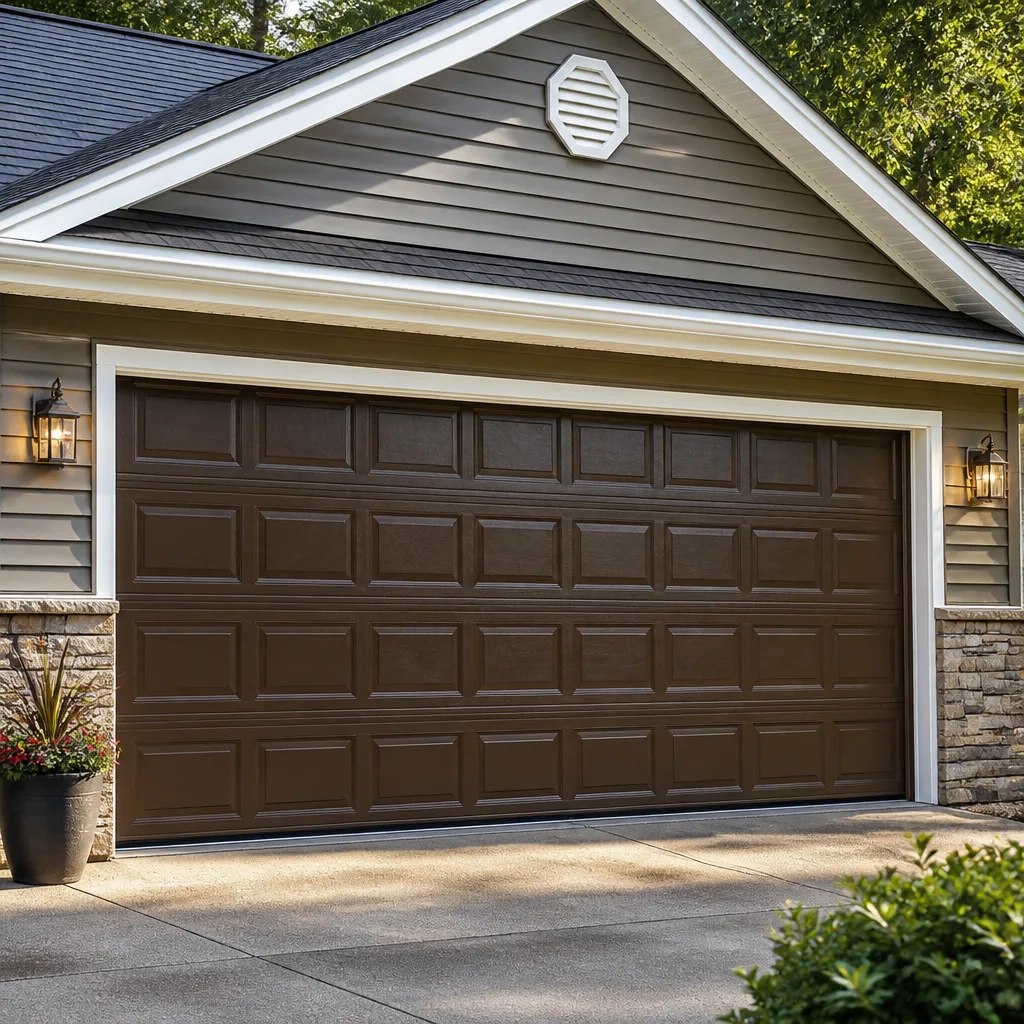 Raised-panel steel
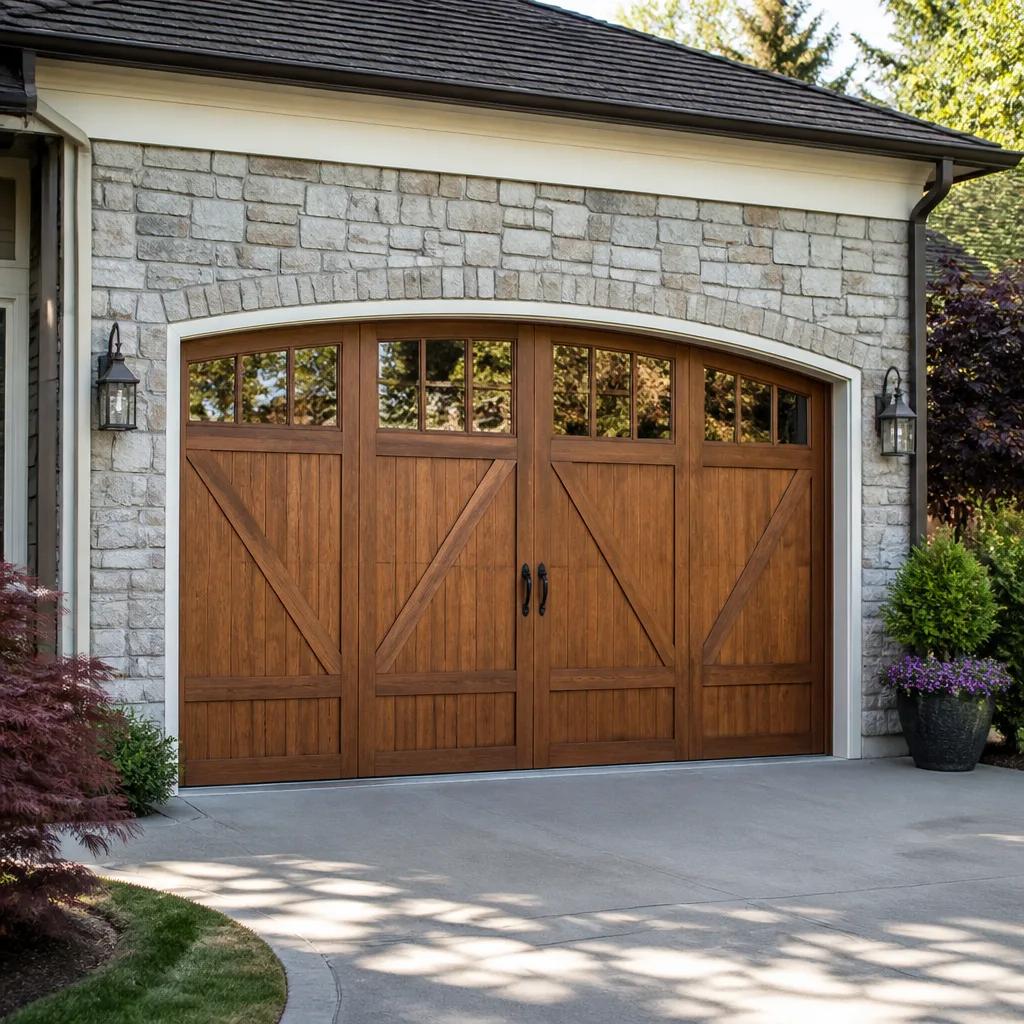 Carriage house
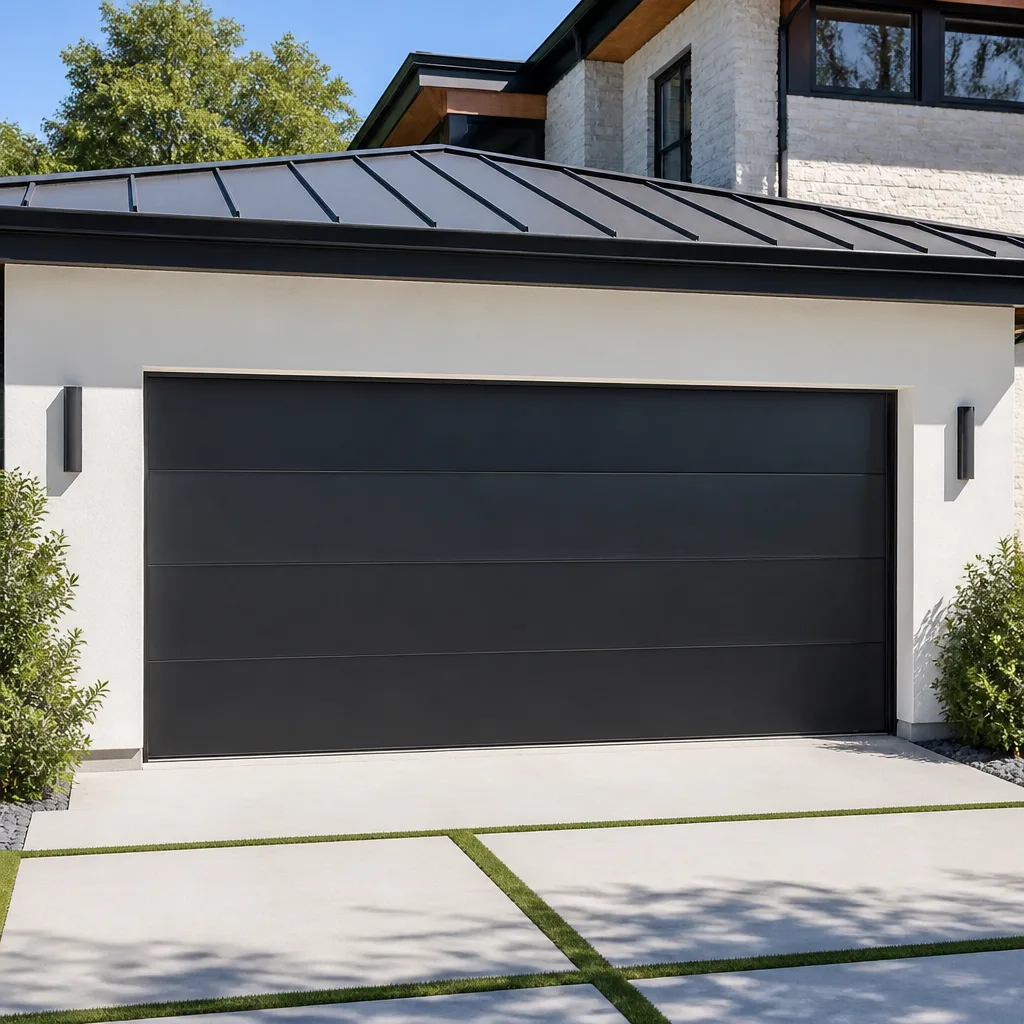 Modern flush
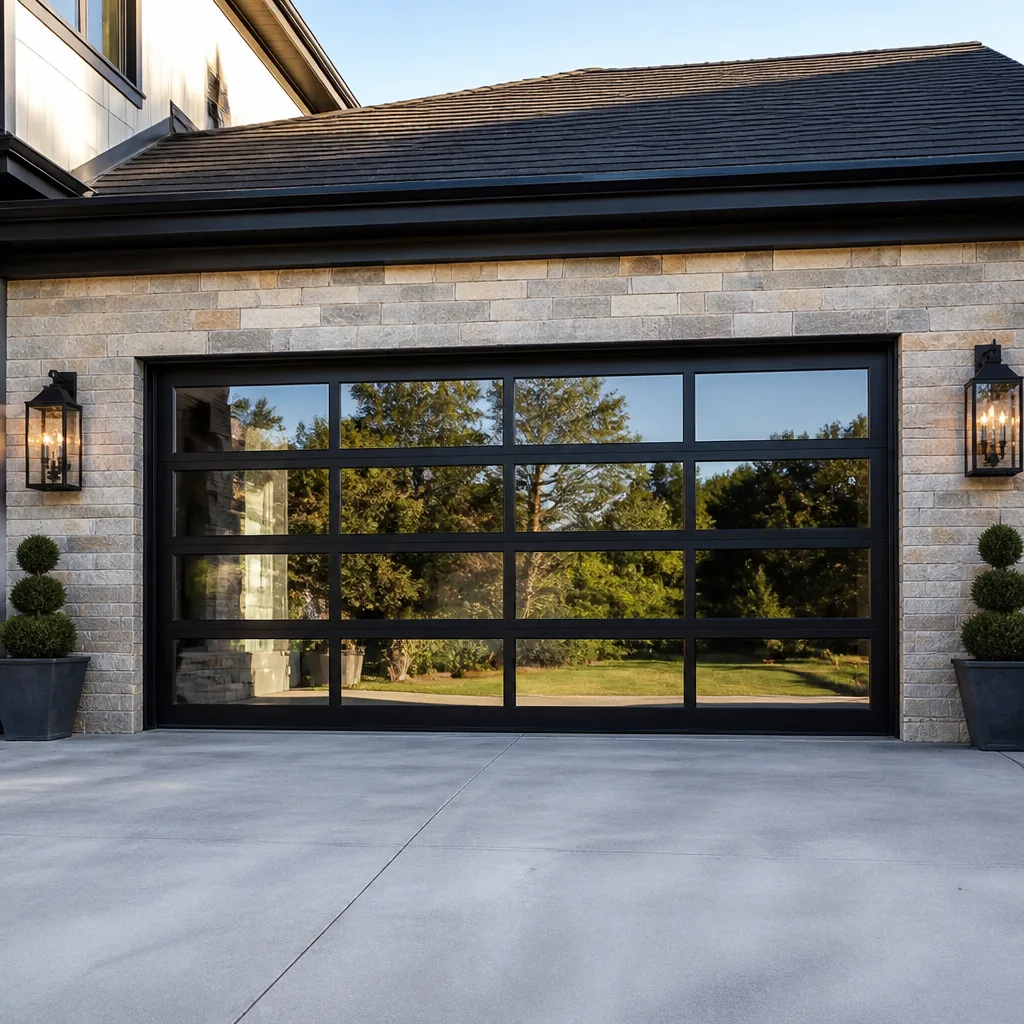 Full-view glass
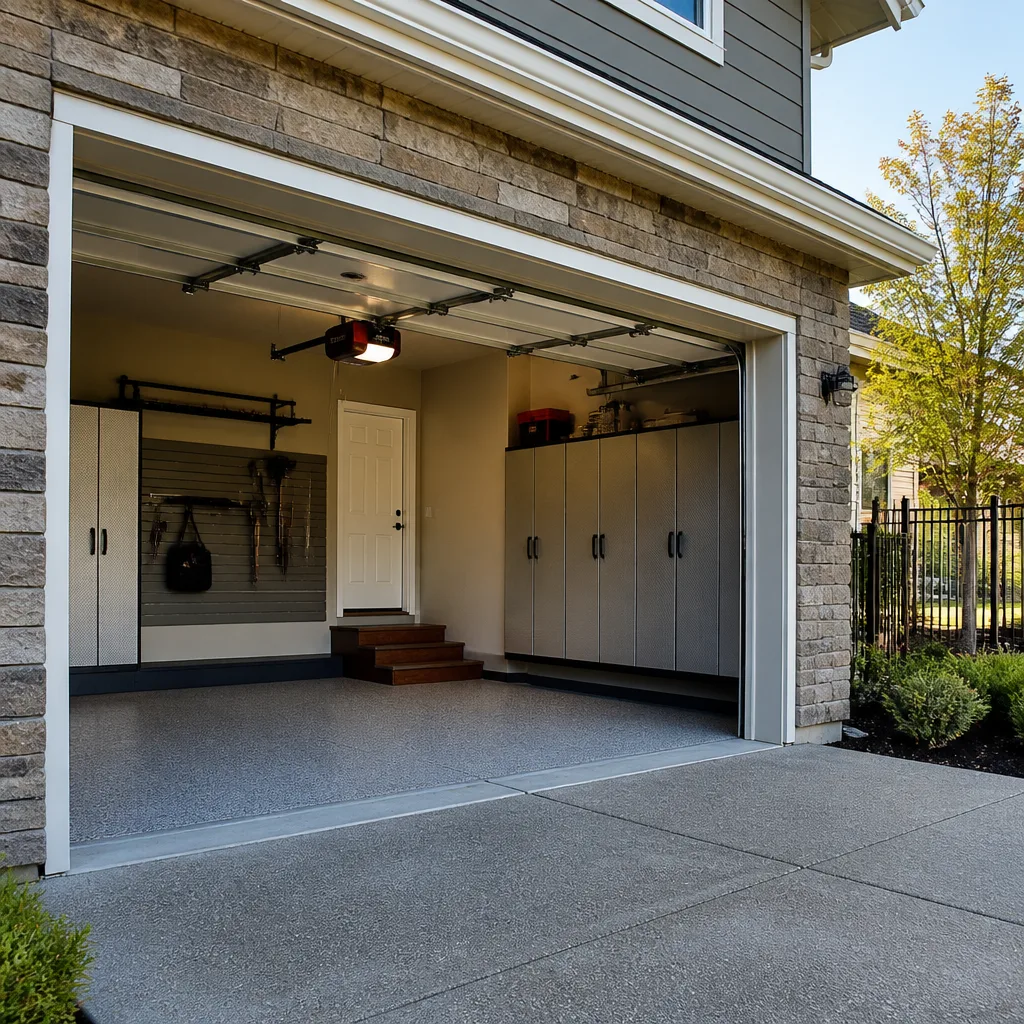 LiftMaster openers
 Chamberlain openers
Full 25-point door and opener safety check with every visit - springs, cables, rollers, tracks, and your LiftMaster or Chamberlain opener included
You get a price before we start. It does not change when the pro arrives.
Get your free estimateGarage Door Emergency Preparedness Guide for Lynnwood Homes
Most garage door emergency calls we get during an outage aren’t about a failed motor at all. They’re from homeowners standing in a dark garage who can’t find the manual release cord, or who found it and can’t get the door to move, or who pulled it and now can’t get the door to re-engage once the power comes back. The door was fine. The preparation wasn’t. This guide is about the ten minutes of thinking you do before anything goes wrong, not the panicked hour after. We’ll cover how the manual release actually works (including the re-engagement step almost everyone misses), what to check on a Lynnwood door after an earthquake, what to do and not do when a spring snaps mid-cycle, how to secure a door that won’t stay shut, and what to write down now so you’re not guessing at 11 PM.
Quick Answer
A garage door emergency in Lynnwood is usually manageable if you know three things in advance: where your manual release cord is and how to re-engage it, what to do (and not do) when a spring snaps, and how to secure the door manually if it won’t close. For a snapped spring, a door off track, or an opener failure you can’t reset, call a trained professional rather than forcing the door. Keep (855) 658-5277 saved in your phone before you need it.
Styles & brands we work with
- Raised-panel steel
- Carriage house
- Modern flush
- Full-view glass
- LiftMaster openers
- Chamberlain openers
Table of Contents
- How to Operate Your Manual Release (and Re-Engage It Correctly)
- Power Outages: The Most Common False Emergency
- After an Earthquake: What to Check Before You Touch the Door
- When a Spring Snaps Mid-Cycle: Safe Actions and Dangerous Ones
- How to Secure a Garage Door When the Lock Fails or It Won’t Stay Closed
- Pre-Emergency Prep: What to Document Before You Need It
- Door Off Track or Stuck Open: What to Do First
- Brand Matters: Why We Ask What You Have
How to Operate Your Manual Release (and Re-Engage It Correctly)
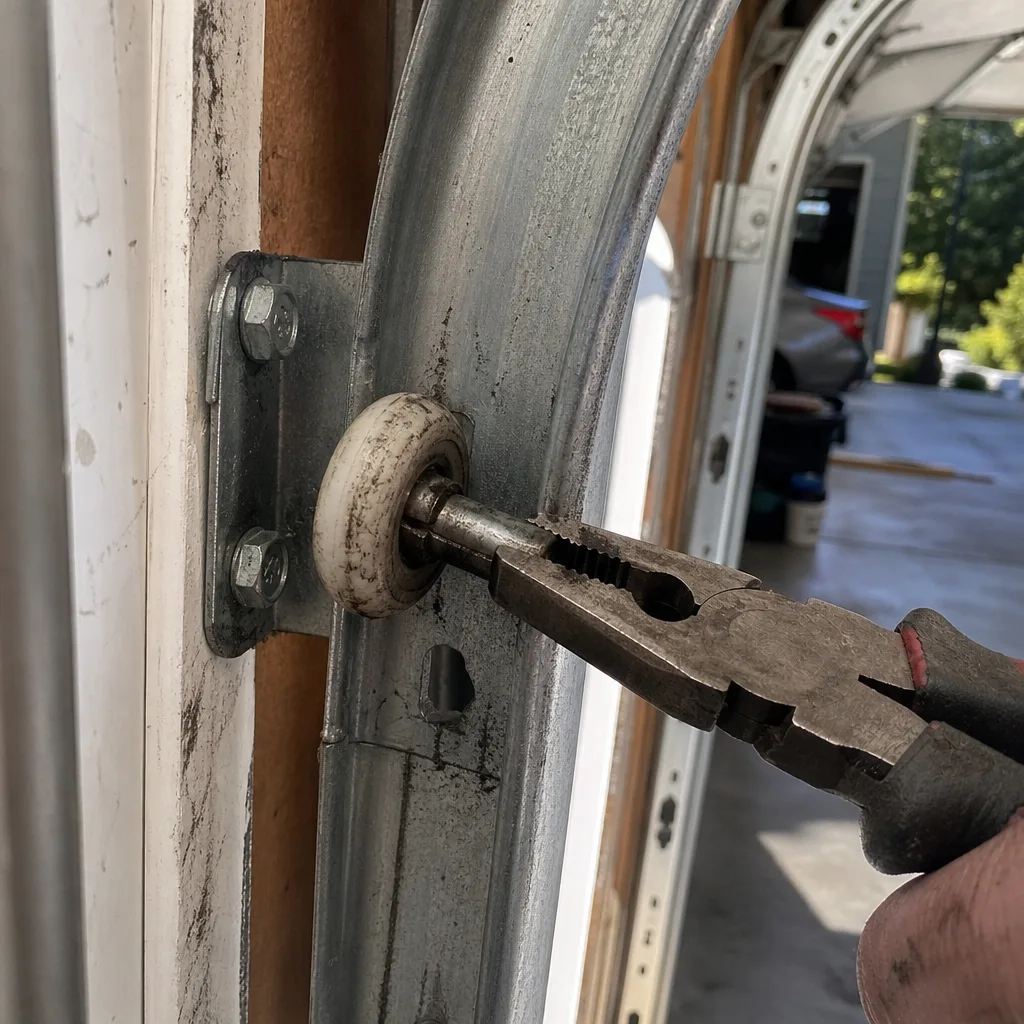
Every automatic garage door has a manual release, and most homeowners have never touched theirs. That’s the gap this section closes. On a standard sectional door with a chain or belt opener, the release is a cord hanging from the trolley that rides the rail above the door. Pulling it disconnects the door from the opener so you can lift it by hand. That part most people can figure out under pressure. The re-engagement is where it goes wrong.
Here’s the sequence, in order:
- Locate the cord before you need it. Stand in the garage, look up at the rail, and find the cord with the handle. If you can’t see it, it may be tied short or caught behind the rail. Free it now, while the lights are on.
- Pull straight down with a firm, steady motion. The trolley should release from the carriage with a click. Don’t yank at an angle.
- Lift the door by hand using the bottom section, keeping your fingers away from the panel gaps. A properly balanced door lifts with modest effort. If it feels extremely heavy, stop and call us.
- To re-engage, with the door fully closed, pull the cord again or flip the release lever back to its original position until it clicks into the carriage. Then run the opener once and watch it cycle. If the carriage doesn’t catch, the door and trolley aren’t aligned; close the door fully and try again.
- Test it. Press the wall button and watch the full cycle. If the door moves a foot and stops, the carriage isn’t locked in. Repeat step 4.
The re-engagement step is the one that generates late-night calls. A door that “won’t work” after an outage is often just a trolley that never re-latched. If yours won’t catch after two attempts, that’s a sign of a worn carriage or a bent rail, and our garage door opener repair team can sort it out.
Power Outages: The Most Common False Emergency
When the power goes out in Lynnwood, a garage door isn’t broken. It’s just unpowered. Almost every opener has a manual release, and almost every homeowner forgets it exists until they’re late for something. That’s the false emergency: the door is perfectly fine, and the fix is a cord you already have. Knowing this in advance turns a stressful morning into a two-minute task.
What to do during an outage:
- Confirm it’s the power, not the opener. Check whether the opener’s light comes on when you press the wall button. No light, no sound: likely power. Clicking or humming with no movement: likely the opener itself.
- Use the manual release as described above. Lift the door, drive out, close it by hand.
- Don’t leave the door open while you’re away. An open garage door is an invitation. Close it by hand and secure it before you leave.
- When power returns, re-engage the release and run a full cycle to confirm the opener reconnected.
Some openers have a battery backup, and if yours does, it should carry the door through a short outage on its own. If the door behaves strangely after the power comes back (partial travel, reversed direction, unusual noise), the opener may need a reset or a limit adjustment. That’s a job for a technician, not a guess. Our Lynnwood Garage Door Repair Pros team handles opener resets and diagnostics as part of standard service.
If your opener failed outright and the door is stuck, that’s a genuine emergency, not a false one. Call (855) 658-5277 and we’ll get a technician moving.
After an Earthquake: What to Check Before You Touch the Door
Western Washington sits on the Cascadia Subduction Zone, and a significant seismic event here can shift a foundation, rack a door frame, or throw the tracks out of alignment. A garage door that survived the shaking may not be safe to operate until you’ve checked it. Treat it like anything else structural: inspect before you actuate.
Before you touch the opener or lift the door by hand, check these in order:
- The tracks. Look along both vertical and horizontal tracks for bends, twists, or separation from the frame. A track that’s visibly bent means the door can jump the rollers and come down.
- The panels. Check for cracks, buckling, or sections that have shifted sideways. A panel out of its hinge can bind the door mid-travel.
- The spring and cables. On a torsion system, look at the springs above the door. Frayed cables, a spring with a visible gap, or cables hanging slack are stop signs.
- The frame and header. A door frame that’s visibly out of square, or a header that’s pulled away from the wall, means the opening itself has moved. Don’t operate the door.
- The opener rail. A rail that’s bent or separated from its mount can drop the door unexpectedly.
If anything on that list looks off, leave the door alone and call. A door that’s off track after a quake can drop without warning, and a heavy sectional door will injure anyone underneath. We handle emergency service for exactly this situation, and our garage door repair techs can re-set tracks and rebalance the door once the structure is sound. If a spring or cable was damaged, that’s garage door spring repair territory, and it’s high-stakes work that shouldn’t be rushed.
When a Spring Snaps Mid-Cycle: Safe Actions and Dangerous Ones
A spring snapping sounds like a gunshot in the garage. It’s loud, sudden, and it usually happens while the door is in motion. What you do in the next thirty seconds matters. The safe actions are simple: stop, stay clear, and don’t try to lift the door. The dangerous ones are the instinctive ones.
Safe actions:
- Step back and let the door settle. Don’t stand under it or reach into the panels.
- Unplug the opener or turn off the breaker so no one can run the door remotely.
- If the door is partially open, leave it. Don’t try to force it down or lift it the rest of the way.
- Call for professional service. A door with a broken spring is unbalanced, and the remaining spring is under load.
Dangerous actions:
- Don’t try to lift the door by hand to close it. With one spring broken on a matched pair, the weight is all on one side, and the door can drop or twist.
- Don’t touch the springs or cables. Torsion springs are under serious tension, and a wound spring can release that energy in a way that causes severe injury. This isn’t a DIY job.
- Don’t run the opener “just to see.” An opener trying to lift an unbalanced door can bind, and on a worn system, it can pull the door off track.
For a snapped spring, the right move is always to leave it alone and call a trained technician. We treat spring work as a safety-critical specialty, not an add-on, because the forces involved genuinely are dangerous. Spring prices in the Lynnwood area typically run $180 to $340 for one spring, and a matched pair costs about twice that since the pair is usually replaced together. The written estimate sets the final price, and it’s agreed before any work starts. Call (855) 658-5277 for a free estimate.
How to Secure a Garage Door When the Lock Fails or It Won’t Stay Closed
A door that won’t stay closed is a security problem, and it’s the situation with the fewest obvious solutions. Maybe the lock bar is jammed, the opener keeps reversing, or the door sags in the middle enough that the bottom seal doesn’t meet the floor. You need the door shut and staying shut until a technician arrives.
Temporary options that actually work:
- Disconnect the opener and close the door by hand. If the opener is what’s cycling the door back open, pull the manual release, close the door by hand, and re-engage once it’s down.
- Use a brace across the inside. A length of lumber or a sturdy pole cut to fit between the door’s top panel and the header, angled to bind the door, will hold it closed. It’s temporary, not secure against a determined entry, but it stops the door from blowing or sliding open.
- Engage the manual lock bar if yours has one and the bar isn’t the thing that’s jammed. Slide it into the track on both sides.
- Use the emergency disconnect on the opener if the door reverses on closing. Many units have a floor sensor that trips, and a misaligned sensor will reverse the door every cycle. Check that the sensor eyes face each other and the path is clear.
What doesn’t work: stacking boxes against the door, wedging a chair under the bottom panel, or tying the door to the track. Those can damage the door or the track and cost you more to fix than the original problem. If the door won’t close or won’t stay closed and a technician needs to see it, call (855) 658-5277.
Pre-Emergency Prep: What to Document Before You Need It
Most garage door emergencies are worse because the homeowner is guessing at basic facts under pressure. Which spring type? Which opener model? Where’s the manual release? Writing this down now takes ten minutes and saves an hour later. Keep it on your phone or taped inside the garage door.
Document these:
- Door brand and panel style. Note whether it’s a Clopay, Amarr, or Wayne Dalton (or another make). This tells a technician which parts family to expect.
- Opener make and model. Look at the label on the back or side of the opener motor housing. Common names here are LiftMaster, Chamberlain, Genie, and older Craftsman units. The model number tells us which logic board and remotes apply.
- Spring type. Torsion springs are the horizontal ones above the door. Extension springs run along the sides on horizontal tracks. Note which you have and roughly how many.
- Manual release location. Describe exactly where the cord hangs, including anything it’s tied to or caught behind.
- Serial number and install date if visible. A door sticker often has both. Useful for parts matching.
- Any quirks. Does the door hesitate at a certain height? Does the opener click a few times before moving? Write it down.
That’s your emergency card. Hand it to a technician and you’ll get a faster, more accurate diagnosis. It also helps our team when you call, because we can match the right parts to your system before we arrive. We work on the major residential brands, and knowing yours in advance means fewer surprises at the door.
Door Off Track or Stuck Open: What to Do First
A door that’s come off track is a genuine hazard, not a nuisance. The rollers have left the track, and the door can drop, twist, or fall free entirely. A door stuck open overnight is a security exposure. Both need a technician, but what you do before the call matters.
If the door is off track:
- Don’t run the opener. The motor will try to force the door and can bend the panels or the track further.
- Don’t try to push the door back onto the track by hand. The door is heavy, and a partially supported panel can come down on you.
- If the door is open and hanging, secure it if you can do so safely, or keep the area clear until a technician arrives.
- Call for emergency service. Off-track and stuck-open doors are the requests we prioritize.
If the door is stuck open at night:
- Lower the door by hand if it’s safe and the door is balanced.
- If you can’t lower it, don’t force it. A temporary brace from inside is safer than a door that drops.
- Call (855) 658-5277. A stuck-open door is a security concern, and we respond to it as one.
We keep emergency service available for exactly these situations, because a door stuck open or off track isn’t something you can leave for a weekday appointment.
Brand Matters: Why We Ask What You Have
The brand and model of your door and opener determine the parts, the failure modes, and the fixes. That’s why we ask what you have before a technician arrives. A Clopay door from one era uses different rollers and hinges than a Wayne Dalton from another. A Craftsman opener from the 1990s has different limits and safety sensors than a current LiftMaster with Wi-Fi built in.
The differences show up fast in an emergency:
- Older Craftsman openers are common in Lynnwood garages and often need their travel limits reset after a power event. The older units don’t self-correct the way newer ones do.
- LiftMaster and Chamberlain units share a lot of architecture, and their manual release and re-engagement behave the same way. If you’ve had one, you know the other.
- Genie openers sometimes use a different rail and carriage setup, which changes how the release and re-engagement work.
- Amarr and Wayne Dalton doors use their own panel and hardware combinations, so a panel swap or track re-set uses the right parts the first time.
When you call, tell us the brand and, if you can find it, the model. It makes the diagnosis faster, and it means the technician arrives knowing the quirks of your system instead of learning them in your garage. That’s the difference between a one-visit fix and a second call.
Common Mistakes to Avoid
- Pulling the manual release while the door is open. If the door is up when you pull the cord, it can come down fast. Only release with the door fully closed.
- Forcing a door with a broken spring. The remaining spring is under load and the door is unbalanced. Forcing it risks dropping the door or injuring you, and it can bend the panels or track.
- Trying to adjust torsion springs yourself. Torsion springs are wound under set tension. This is the single most dangerous garage door component, and it’s the one to leave to a trained technician.
- Running the opener repeatedly to “test” it. If the door isn’t moving properly, every cycle puts more force on the opener and the door. Stop and call.
- Ignoring a door that reverses on closing. Usually it’s a misaligned safety sensor or a limit issue, and it’s a small fix now versus a bigger one later.
- Leaving the door open overnight after an outage. A door that won’t close is a security matter. Brace it, lock it, or call for emergency service.
- Not knowing your brand and model. When a technician asks, guessing costs time and can lead to the wrong parts on the first visit.
See the difference
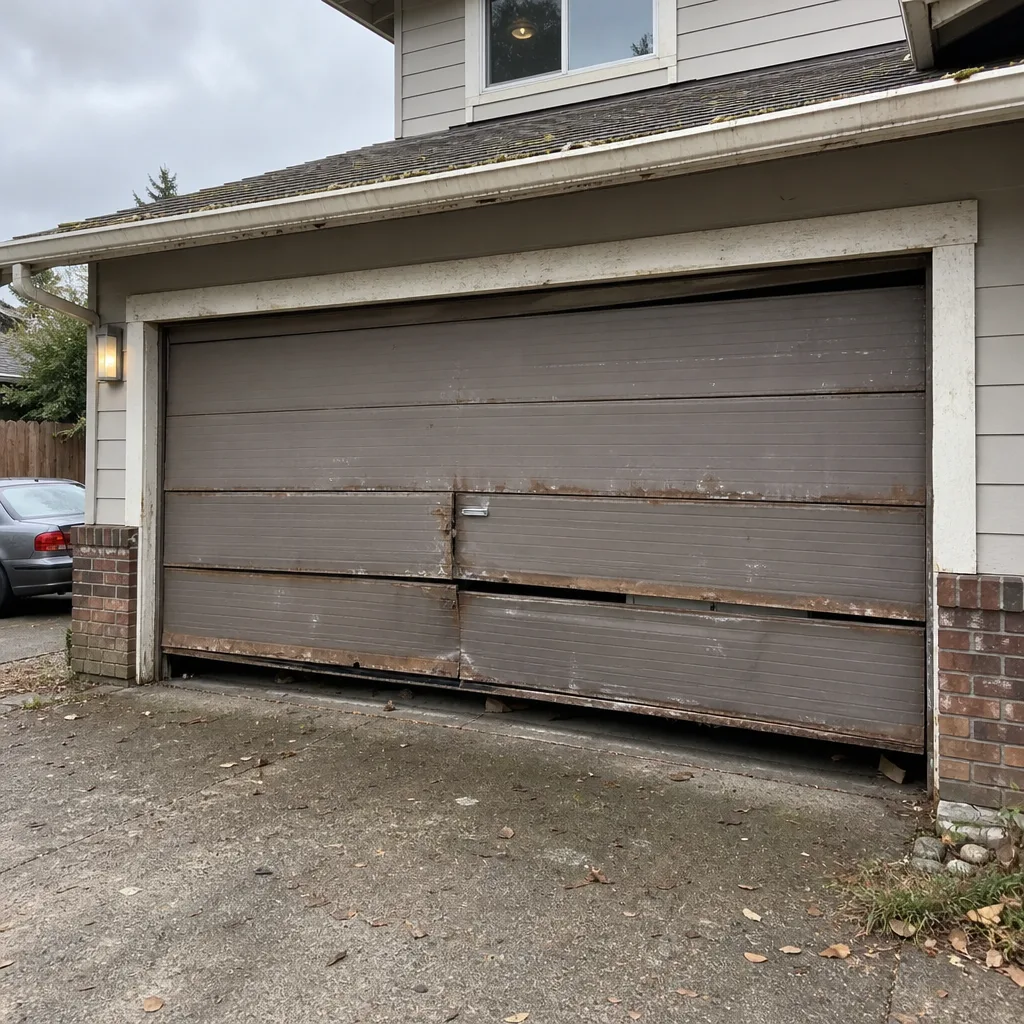 Before
 After
 Before
 After
 Before
 After
When to Call a Professional
Call a professional for anything involving a spring, cable, or off-track door. Those are the situations where the forces are real and the injury risk is serious. Call us if your door won’t close or stay closed and you need it secured, if the opener has failed and the door is stuck, if you’ve had a power event and the door won’t reset, or if you’ve checked the door after an earthquake and anything looks out of alignment. We work on LiftMaster, Chamberlain, Genie, Clopay, Amarr, Wayne Dalton, Craftsman, and Raynor systems, and our technicians have up to 12 years of experience with exactly these problems. Lynnwood Garage Door Repair Pros offers free estimates in Lynnwood, and emergency service is a real availability, not a slogan. Call (855) 658-5277.
Frequently Asked Questions
Pull the manual release cord hanging from the trolley above the door, then lift the door by hand. The cord disconnects the door from the opener so it can move freely. When power returns, pull the cord again to re-engage the trolley and run the opener once to confirm it caught. If it doesn’t re-engage after two tries, call (855) 658-5277 for a free estimate on the repair.
Stop, step away, and don’t lift the door. Unplug the opener, keep everyone clear, and call a technician. A door with one broken spring on a matched pair is unbalanced and can drop or twist if forced. Spring prices in the Lynnwood area typically run $180 to $340 for a single spring, with a matched pair about double that, and the written estimate sets the final price. Call (855) 658-5277 for an exact quote – estimates are free.
In many cases, yes. A door stuck open, off track, or with a snapped spring is the kind of request we prioritize, and we offer emergency service for situations that can’t wait. The best way to find out is to call (855) 658-5277 and describe what’s happening. We’ll give you a straight answer on timing and a free estimate.
Only after you’ve inspected it. Check the tracks for bends, the panels for cracks, the springs and cables for damage, and the frame and header for any sign the opening has shifted. If anything looks off, don’t operate the door. Call a professional to inspect and re-set it before you use it again.
No. The written estimate you agree to before any work starts is the price. If the technician finds something additional, they’ll explain it and give you a new estimate to approve, but you won’t get a surprise invoice for work you didn’t authorize. Call (855) 658-5277 – estimates are free.
Yes, in most cases. Pull the manual release, close the door by hand, re-engage, and use a brace cut to fit between the top panel and the header if it needs help staying down. If your door has a manual lock bar and it isn’t jammed, slide it into the track on both sides. Those are temporary fixes; call (855) 658-5277 to get it seen properly.
The Bottom Line
Most garage door emergencies in Lynnwood come down to preparation. Know where your manual release is and how to re-engage it. Document your door brand, opener model, spring type, and any quirks before you need them. After an earthquake, inspect before you operate. If a spring snaps, leave it alone and call a trained technician. If the door won’t stay closed, brace it and get it seen. The door itself is rarely the thing that fails first; the missing information is. Save our number now: (855) 658-5277. Lynnwood Garage Door Repair Pros offers free estimates, emergency service for doors that can’t wait, and technicians who have up to 12 years of experience with every major brand. One call covers any make, any model, any urgency. Call today for a free estimate.
Written by the team at Lynnwood Garage Door Repair Pros.