Last updated November 24, 2026
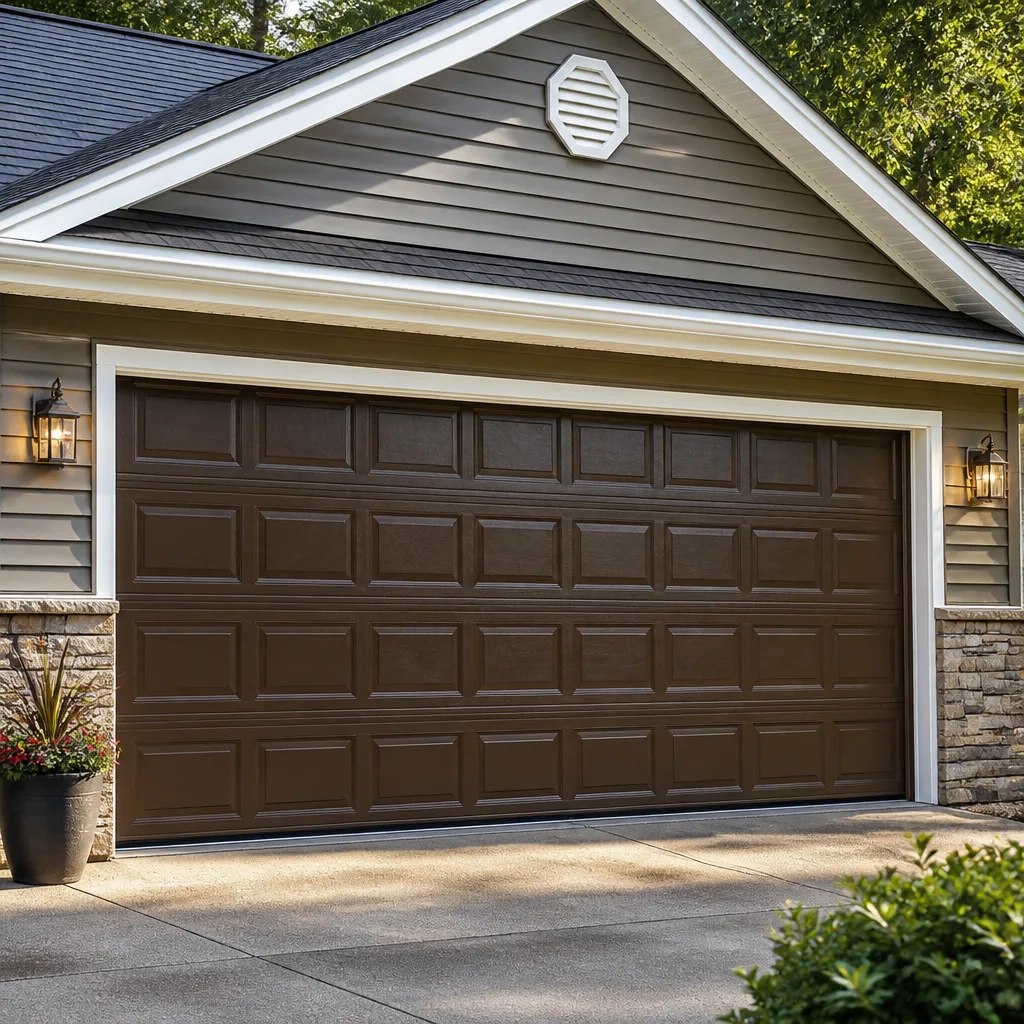 Raised-panel steel
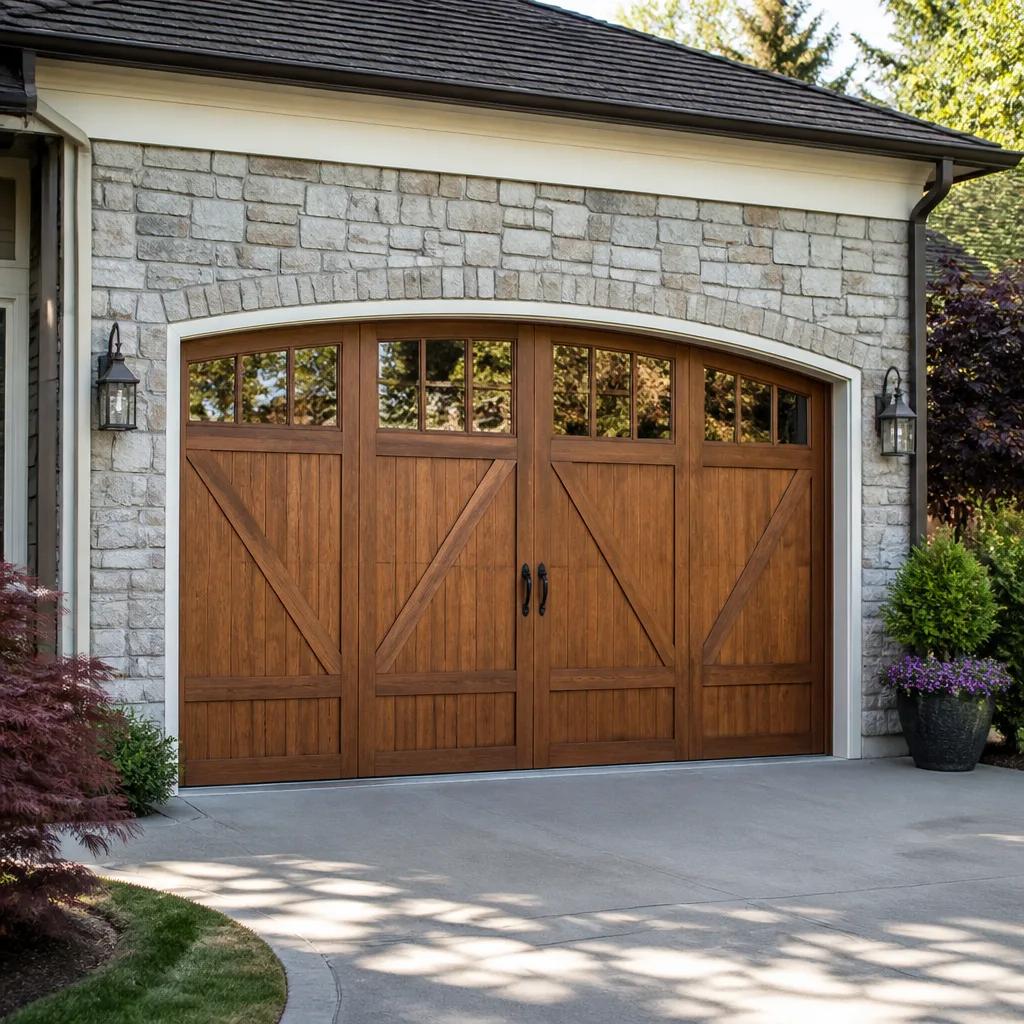 Carriage house
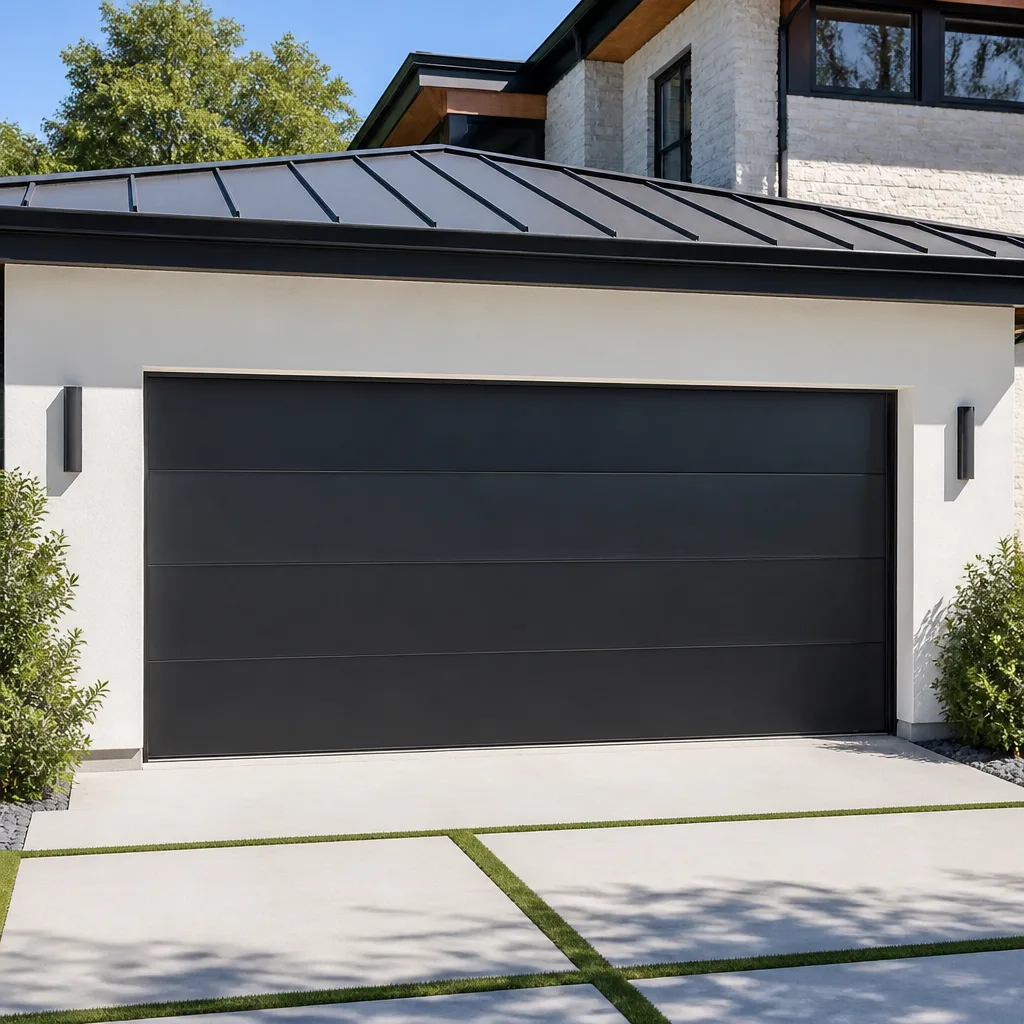 Modern flush
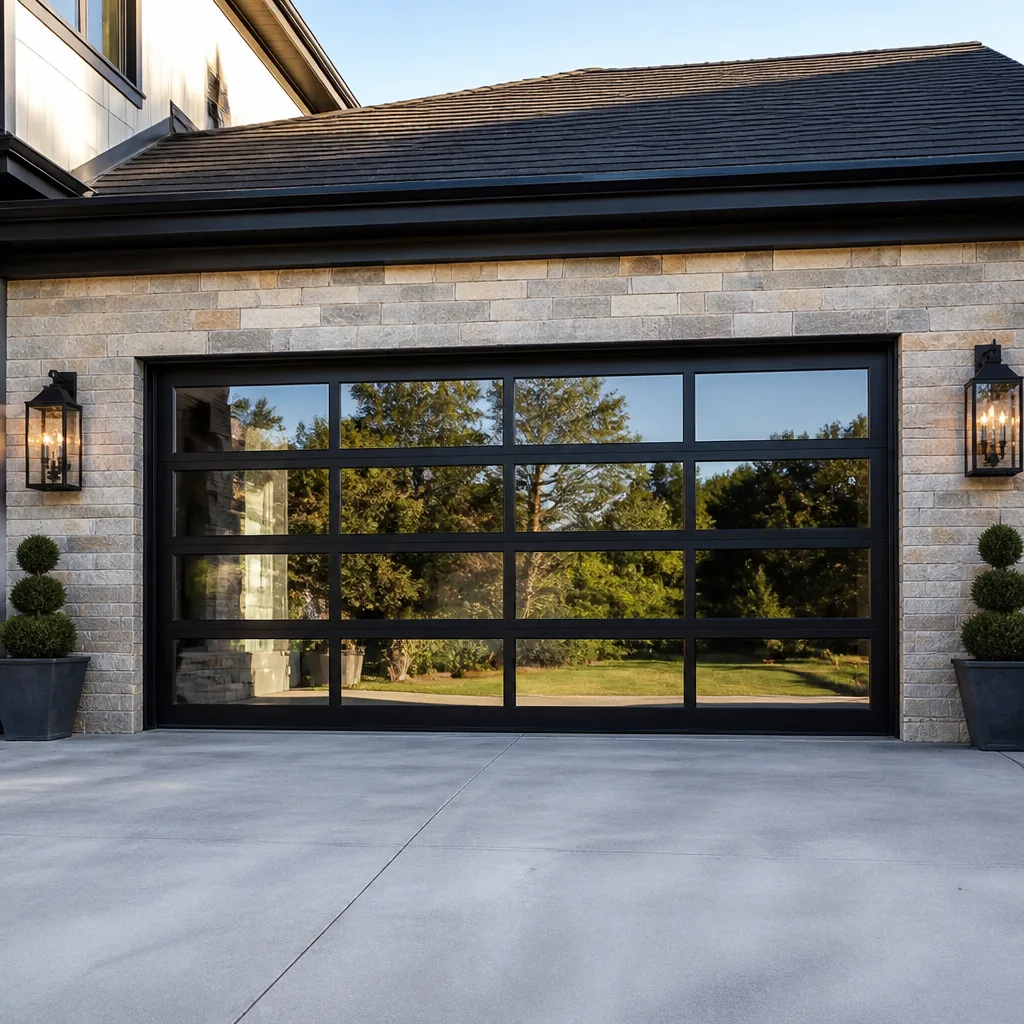 Full-view glass
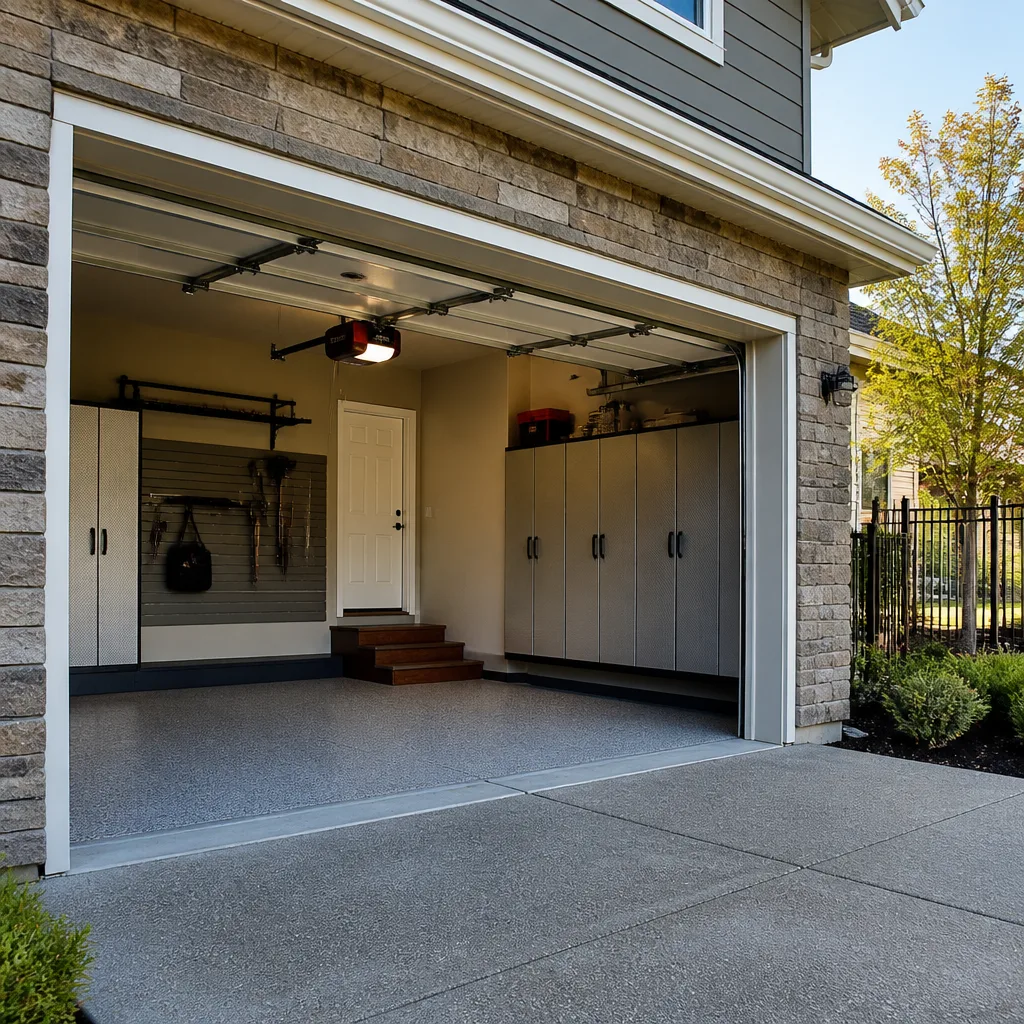 LiftMaster openers
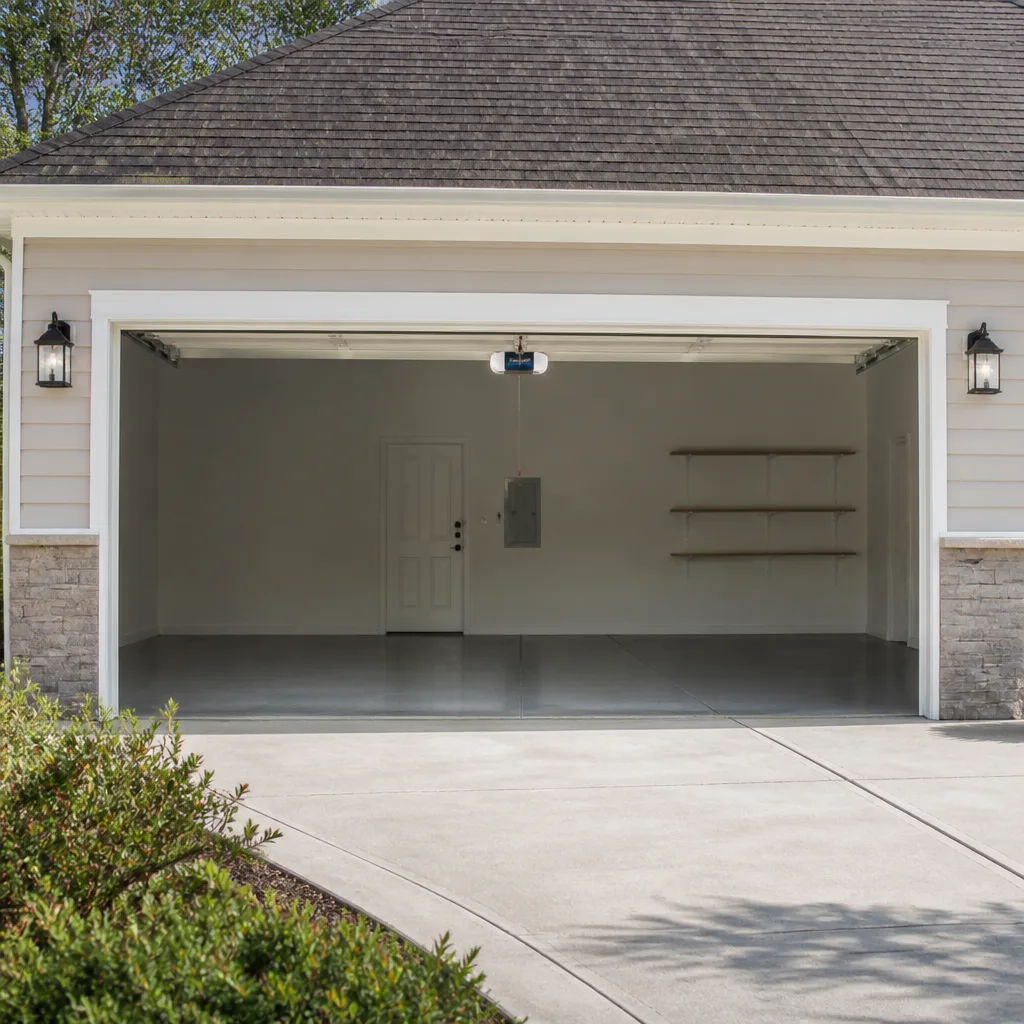 Chamberlain openers
Full 25-point door and opener safety check with every visit - springs, cables, rollers, tracks, and your LiftMaster or Chamberlain opener included
You get a price before we start. It does not change when the pro arrives.
Get your free estimateDIY vs Professional Garage Door: The Lynnwood Homeowner’s Decision Guide
Most garage door advice online gets the DIY question wrong. It frames the choice as a skill test: are you handy enough? That’s the wrong axis. The real dividing line is mechanical risk that stays invisible until something fails. A torsion spring under tension looks perfectly ordinary right up until the moment it lets go. This guide draws that line precisely: which jobs a careful Lynnwood homeowner can do, which are DIY-with-caveats, and which belong to a trained technician with the right tooling. You’ll learn why spring work is a different category entirely, what a botched DIY attempt actually costs to undo, and how to read your own garage setup before you decide.
Quick Answer
Safe DIY tasks are limited to lubrication, visual inspections, and cleaning photo-eye sensors. Anything involving torsion springs, cables, or the door’s balance system is professional-only because the stored energy and tension are dangerous and invisible. Opener logic boards, panel replacement, and off-track doors sit in the middle: sometimes reasonable for a confident homeowner, often not worth the risk. In Lynnwood, the deciding factor is almost always spring type and door configuration, not how handy you are.
Styles & brands we work with
- Raised-panel steel
- Carriage house
- Modern flush
- Full-view glass
- LiftMaster openers
- Chamberlain openers
Table of Contents
- The Three Categories: What’s Actually Safe to DIY
- Why Torsion Springs Are Professional-Only Work
- What Tools You Actually Need (and What “I Already Have Tools” Usually Means)
- When a Botched DIY Repair Costs More Than the Professional Job
- How to Evaluate Your Own Garage Setup Before You Decide
- What “Professional” Actually Means in This Trade
- Opener Repair: A Specialized Category, Not a Checkbox
- What Lynnwood’s Climate and Housing Mean for Your Door
The Three Categories: What’s Actually Safe to DIY
Every garage door task falls into one of three buckets. The classification isn’t about difficulty. It’s about what happens if you get it wrong and how much warning you get before failure. Here’s the breakdown:
Safe DIY
- Lubrication. Hinges, rollers, and tracks benefit from a proper garage door lubricant. This reduces wear and quiets the door.
- Visual inspection. Look for frayed cables, worn rollers, loose brackets, and cracked hinges. Spotting a problem early is genuinely useful.
- Photo-eye cleaning and alignment. If your door reverses when it shouldn’t, wiping the safety sensors and checking they face each other is a legitimate first step.
- Tightening loose bolts on the door face. Bolts holding door panels together can work loose. Snugging them is fine.
- Remote and keypad battery replacement. No mechanical risk at all.
DIY With Caveats
- Replacing rollers. Doable, but you must take tension off the door properly first. If you don’t understand how the door is supported when open, skip it.
- Weather seal and bottom rubber. Straightforward for most homeowners, but getting the seal seated evenly takes patience.
- Opener programming and travel adjustment. Adjusting the up and down travel limits and force settings is a documented procedure for most openers. If the door still behaves erratically after adjusting, the problem is mechanical, not programming.
- Panel replacement on a track-free door section (bottom panel, for a door that isn’t in the travel path). Cable tension and panel alignment make this riskier than it looks.
Professional-Only
- Torsion spring and extension spring replacement. The most dangerous job in the trade.
- Cable replacement and rewinding. A snapped cable is stored energy suddenly released.
- Track replacement and realignment. Track geometry controls the entire door’s travel.
- Off-track door recovery. A door hanging out of its tracks can fall.
- Opener motor replacement and any wiring to the panel. Electrical work carries its own risks.
- Full door replacement. Weight, spring sizing, and header load all need to be right.
In our experience across Lynnwood, the jobs homeowners most often try and most often regret are the last three on the professional-only list. Reviewing the Lynnwood Garage Door Repair Pros service scope is a quick way to see the categories in the context of what actually gets called in.
Why Torsion Springs Are Professional-Only Work
A torsion spring holds a large amount of stored energy when it’s wound. A standard double-door spring, tensioned for a normal residential door, can hold roughly 200 foot-pounds of torque. That’s not a scare tactic. It’s the mechanical reality that explains why spring work is about tooling and position, not courage or skill.
Springs are measured in cycles, not years. A spring rated for 10,000 cycles will fail eventually, and when it does, it usually snaps at the end of the spring where friction and stress concentrate. That’s exactly where it has the most stored energy, and the failure is sudden. Springs also snap in cold weather when metal becomes more brittle. Lynnwood winters push spring metal into colder operating temperatures, which is why you see a spike in spring failures between November and March.
What the tutorial doesn’t show you
The video shows the winding process. It doesn’t show what happens when a wound spring releases early or when a winding bar slips. A trained technician uses two winding bars for every torsion spring, positions their body outside the spring’s release path, and secures the door to the torsion bar before touching anything. Those aren’t optional safety habits. They’re the whole job.
Why this matters more than skill
Even a careful, capable homeowner doesn’t have the winding bars, safety clamps, or the specific training to read whether a spring is partially wounded, already fatigued, or mis-sized for the door. Spring sizing has to match the door’s weight and height. A mismatched spring fails faster and can cause the door to fall. If your door won’t open or you hear a single loud pop followed by the door becoming very heavy, that’s a spring failure. The correct move is to stop using the opener and call for garage door spring repair. We treat spring work as its own category for exactly this reason.
What Tools You Actually Need (and What “I Already Have Tools” Usually Means)
The safe-DIY tasks require very little. The “DIY with caveats” tasks require more than most homeowners expect. Here’s the honest accounting:
For safe DIY tasks
- A good garage door lubricant. Not WD-40. A dedicated lubricant designed for garage door hinges and rollers.
- A socket set or adjustable wrench for tightening door-face bolts.
- A rag and a flashlight for visual inspection.
- Nothing more.
For caveated tasks
- Locking pliers or locking clamps to hold the door in the open position.
- C-clamps sized for your track.
- A proper set of winding bars if any spring work is involved. Winding bars are sized to the spring winding cone and must fit correctly. Improperly sized bars slip.
- A tape measure (for door height and panel spacing).
- A helper. Replacing rollers or a bottom seal with one person is asking for trouble.
“I already have tools” usually means a hammer, a drill, a socket set, and a screwdriver. That’s a fine kit for a shelf, not for a garage door. The pieces that actually matter here are the locking clamps and the winding bars, and those are the pieces almost no homeowner owns. If a repair requires winding bars, that’s the signal the job belongs to a technician.
When a Botched DIY Repair Costs More Than the Professional Job
Some DIY mistakes are cheap to fix. Others turn a clean job into a more expensive one. Here’s where the math usually flips against DIY:
Panel misalignment
When a door section goes back on out of alignment, the door can travel unevenly. The rollers bind. The cables loosen. Left too long, the door warps the tracks, and now you’re paying for a track and panel repair instead of a panel replacement. This is a common one because it’s not obvious during the install. It shows up a week later.
Cable winding
Cables are wound under tension. If a cable isn’t seated correctly in the drum, it can slip under load. When it does, the door can drop suddenly on one side. The damage is usually the drum, the cable, the track, and sometimes the panel. Cable work is on the professional-only list for this reason and belongs with garage door repair rather than a weekend project.
Opener wiring additions
A DIY attempt to wire a new wall control can leave a low-voltage control running to the wrong terminal. The opener board can fail outright. Opener boards are not cheap components. This is the category where an experienced multi-brand technician closes the garage door opener repair in one visit.
Spring substitution
Replacing a broken spring with a spring of the wrong size or wrong wire gauge doesn’t fail immediately. It fails after a few hundred cycles. When it does, the door may not be usable at all.
The general principle
The cost of a botched DIY repair isn’t just the extra labor. It’s the original job plus the damage plus the fact that a technician now has to undo your work to reach the original problem. On a Lynnwood door, that’s usually more than the original professional quote.
How to Evaluate Your Own Garage Setup Before You Decide
Before you decide whether a repair is in the DIY category for your specific garage, read four things about your setup:
- Headroom. Measure the distance from the top of the door to the ceiling. Torsion springs need a minimum amount of headroom. If your door uses low-headroom hardware or rear-mount torsion, the geometry is different and specialized.
- Spring type. Look at the horizontal bar above your door. If you see coiled springs wrapped around a shaft, those are torsion springs. If you see long springs running alongside the tracks, those are extension springs. Extension springs are somewhat less dangerous to replace but can still cause serious injury. Torsion springs belong to technicians.
- Opener model. Look at the unit on the ceiling. If it’s a LiftMaster or Chamberlain with a smart-home module, programming is documented and you can adjust travel and force settings yourself. If it’s an older Craftsman unit with a motor that sounds strained, that’s a diagnostic question more than a programming one.
- Door weight and insulation. A single-car steel door is lighter than a double-car insulated door. Heavier doors need heavier springs. If your door was upgraded to an insulated panel by a previous owner without a matching spring change, that’s a diagnostic clue a technician should look at.
Brand matters here too. A Clopay door has different panel hardware than an Amarr or Wayne Dalton model. Knowing the brand narrows down the parts needed before a technician arrives. That’s part of why we work on all four: the parts differ, the diagnostics don’t. If you’re not sure what you’ve got, the free estimate is the fastest path to a straight answer.
What “Professional” Actually Means in This Trade
The word “professional” gets used loosely. In garage doors, it covers three fairly different arrangements, and the difference matters when something goes wrong.
Franchise service tech
A franchise technician usually works under a national brand. The branding is consistent, the parts are typically standardized, and the tech may or may not have hands-on experience with your specific brand. Many are excellent. Some are learning on your door. Accountability runs through the franchise system.
Subcontractor
When you book through a call center or a home-services network, the job often goes to a subcontractor who is dispatched to your address. Quality varies with the subcontractor, not the brand you called. Accountability is split between the dispatcher and the subcontractor, which is not where you want it when a spring fails again.
Direct multi-brand technician
A direct multi-brand technician is dispatched by the company you called. That’s how Lynnwood Garage Door Repair Pros operates: the same team handles diagnosis, parts, and labor, so the technician who diagnoses your door is the one accountable for the fix. That’s a real difference when the repair involves an older Craftsman opener, a LiftMaster smart unit, or a specific brand of door hardware. We work on your brand, and we don’t sub it out.
Our technicians have up to 12 years of experience. Ask any company you call who actually shows up, because it’s the right question.
Opener Repair: A Specialized Category, Not a Checkbox
Openers are where the DIY question gets most interesting, because the failure modes are so varied. Two doors can show the same symptom, a door that reverses or won’t close, and have completely different causes.
Common opener failure categories
- Photo-eye and safety sensor faults. Usually the safest thing to diagnose yourself. Clean the sensors and check alignment.
- Travel limit and force setting drift. Documented procedure for most LiftMaster and Chamberlain units. If adjusting per the manual doesn’t fix it, the problem is upstream.
- Gear and sprocket wear. Common on older units. A grinding sound that gets worse over months is usually wear.
- Logic board failure. The opener won’t respond, or responds inconsistently. Not a homeowner fix.
- Motor capacitor failure. Openers that hum but don’t move. This is a technician job, and it’s often repairable rather than a full replacement.
- Smart-home module and Wi-Fi connectivity problems. Common on newer LiftMaster and Chamberlain units. Sometimes a reset, sometimes a module replacement.
We treat opener repair as its own specialty rather than a side job. That covers smart-home-integrated units and the older Craftsman openers still running in a lot of Lynnwood homes. If you’d rather not guess which failure mode you’re dealing with, the free estimate starts with a diagnosis. That’s the honest path: repair or replace, we’ll tell you which one actually makes sense.
What Lynnwood’s Climate and Housing Mean for Your Door
Lynnwood’s weather asks specific things of a garage door, and knowing them changes what “worth fixing” means.
Cold snaps and spring fatigue
Northwest Washington winters bring overnight temperatures that push spring metal toward brittleness. Springs fail more often in cold snaps than in summer. If your door has been in service a long time and the spring is at the end of its cycle rating, it’s more likely to fail during a cold stretch. That’s a planning point, not a scare point.
Rain, seals, and panel edges
Lynnwood gets sustained rain rather than periodic storms. Rain reaches the bottom seal and the bottom panel edge repeatedly. A failing weather seal lets water in and the door tracks rust from the bottom up. Seals are a safe-DIY task, and replacing one before winter is one of the better uses of a Saturday morning.
Housing stock and older doors
A lot of Lynnwood homes were built with standard-height wood or steel doors, and some of those doors are still on their original springs and openers. On a door from decades past, a technician may find multiple things at once: worn rollers, cable wear, and a tired opener. Repair is often still the right answer, but the diagnosis needs to look at the whole door rather than one component.
Hills and sloped driveways
Lynnwood has more than its share of sloped driveways. On a sloped drive, a poorly balanced door puts more load on the opener. If your door is heavier at the bottom of its travel, that’s a balance issue, and it belongs to a technician.
Common Mistakes to Avoid
- Using WD-40 on hinges and rollers. WD-40 is a solvent, not a garage door lubricant. Over time it strips the original lubrication and accelerates wear. Use a garage door lubricant designed for the job.
- Replacing one spring of a matched pair. Torsion and extension springs wear symmetrically. Replacing one leaves the door unbalanced. Pairs should be replaced together.
- Reading “springs last about X years” and skipping the cycle check. Springs are rated in cycles, not years. A door used many times a day can wear out a spring well before one used less often.
- Using the opener to diagnose a snapped spring. If the spring has failed, don’t hit the opener button. The opener can pull the door up unevenly and cause a secondary failure.
- Adjusting travel limits without checking balance. If the door doesn’t stay put when you lift it halfway and let go, the problem is mechanical, not a travel setting. Adjusting the travel limit on an unbalanced door makes a mechanical problem look like an electrical one.
- Winding a spring without winding bars. Skipping the correct winding bars is the single most dangerous shortcut in this trade. It’s also the reason spring work is professional-only.
- Pulling a door back onto its tracks by yourself. An off-track door can drop without warning. Trying to recover it alone is a common source of serious injury in Lynnwood and elsewhere.
- Ignoring a small cable fray. Frayed cables fail. A cable with visible broken strands is a cable that needs replacing before the door comes down on something.
See the difference
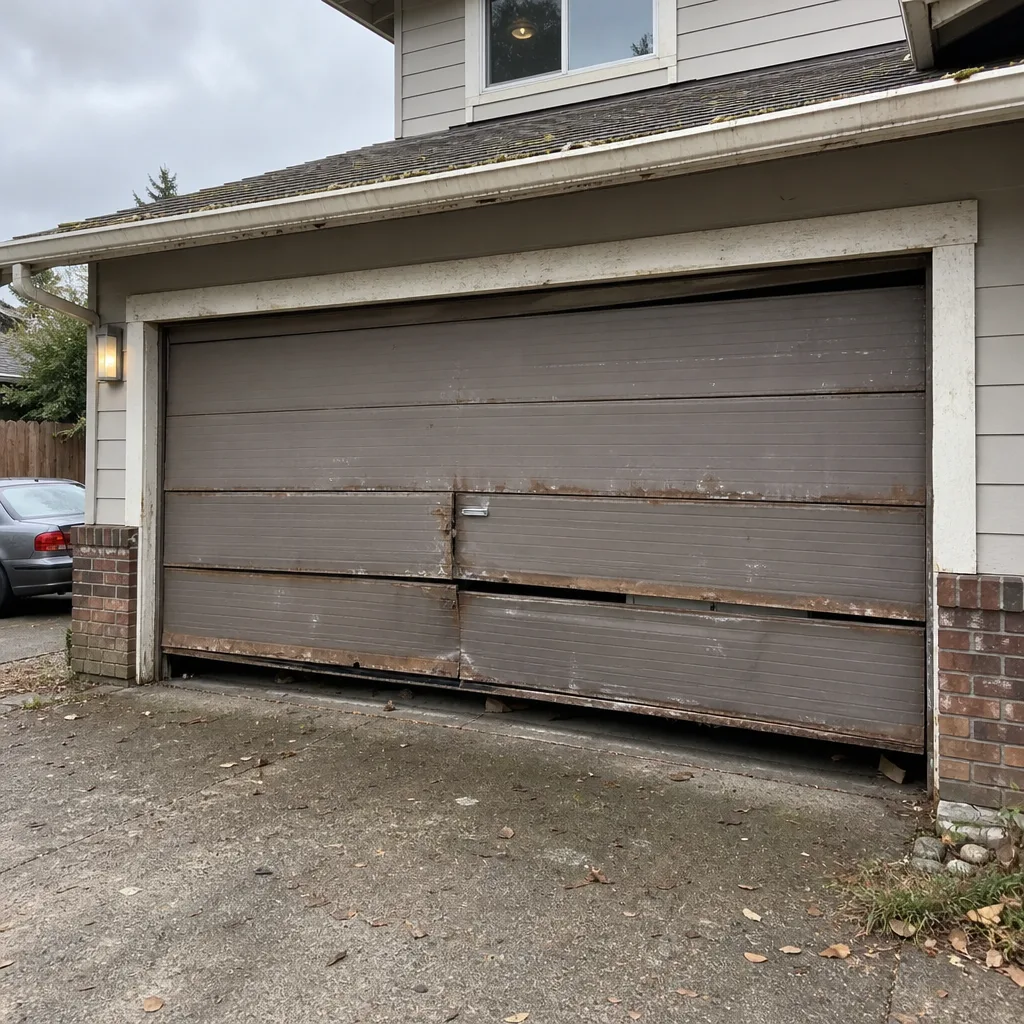 Before
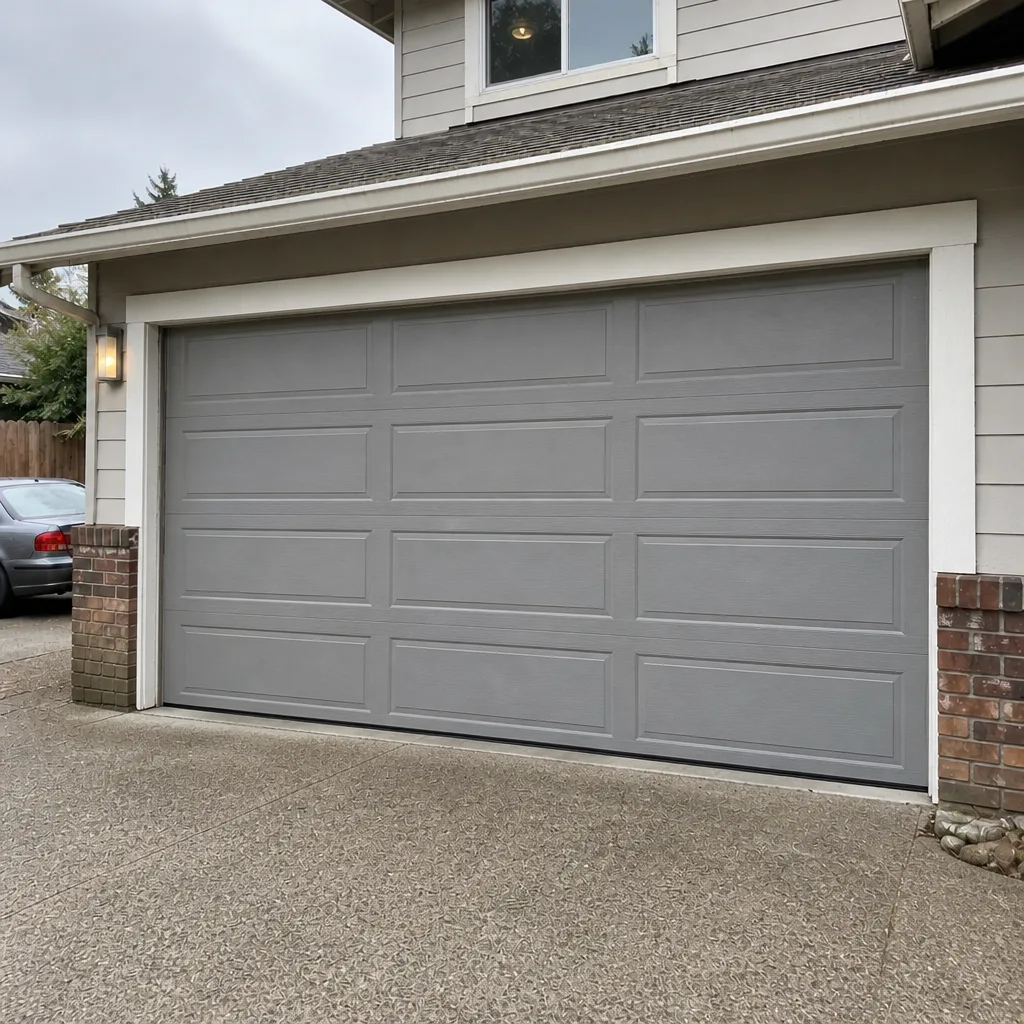 After
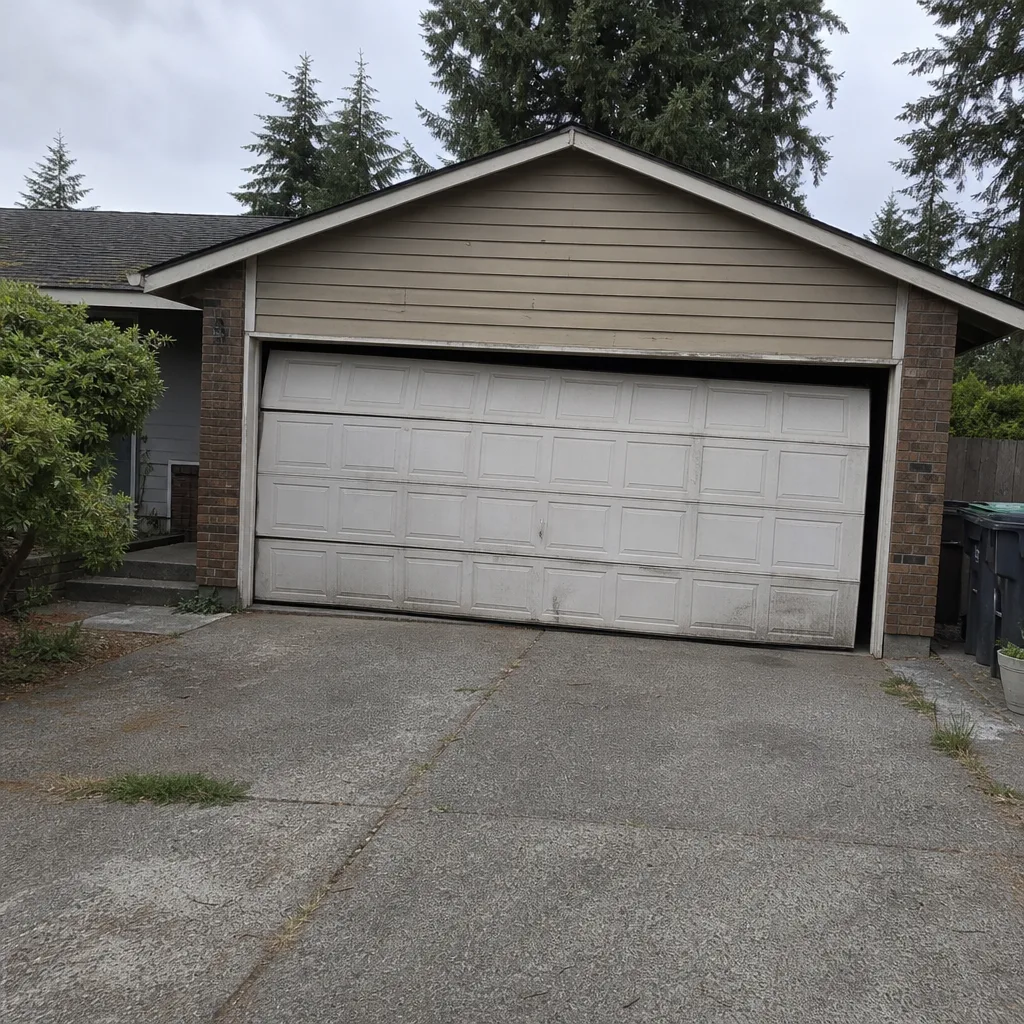 Before
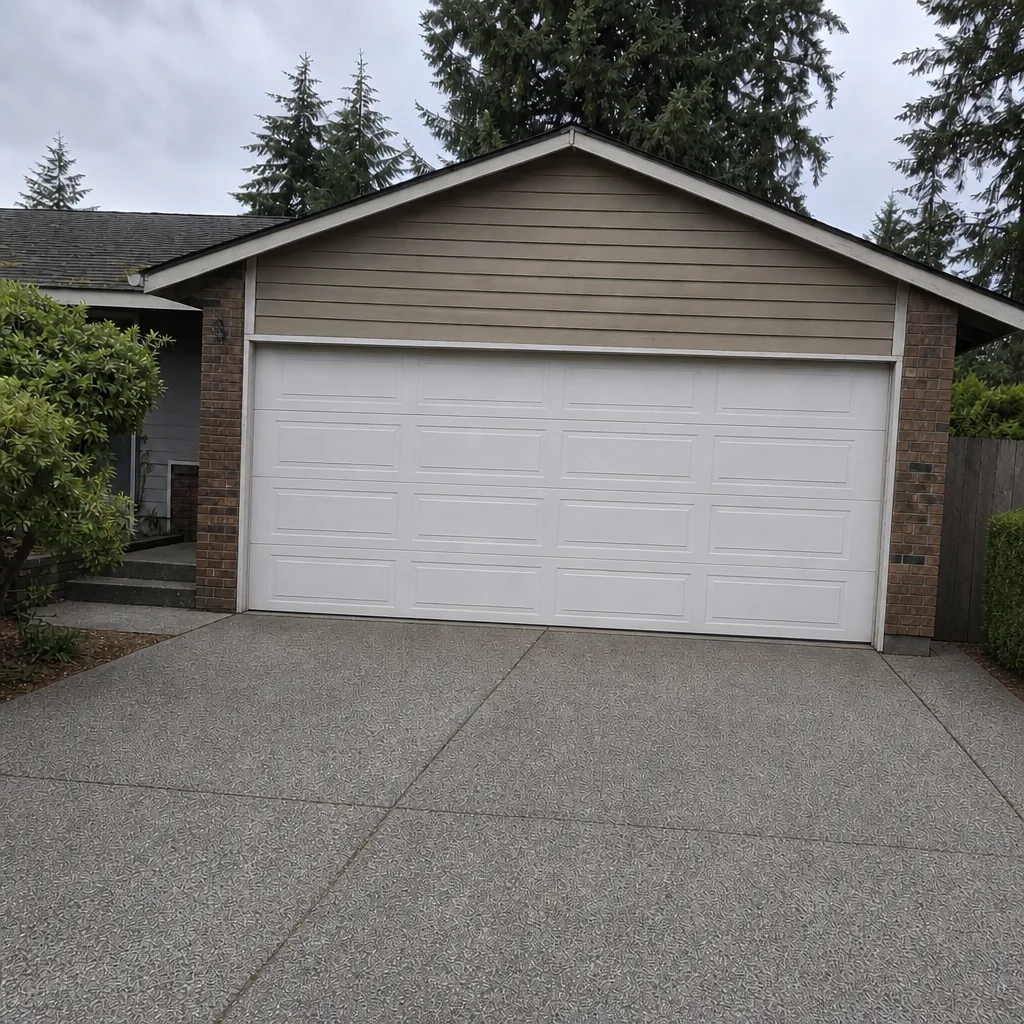 After
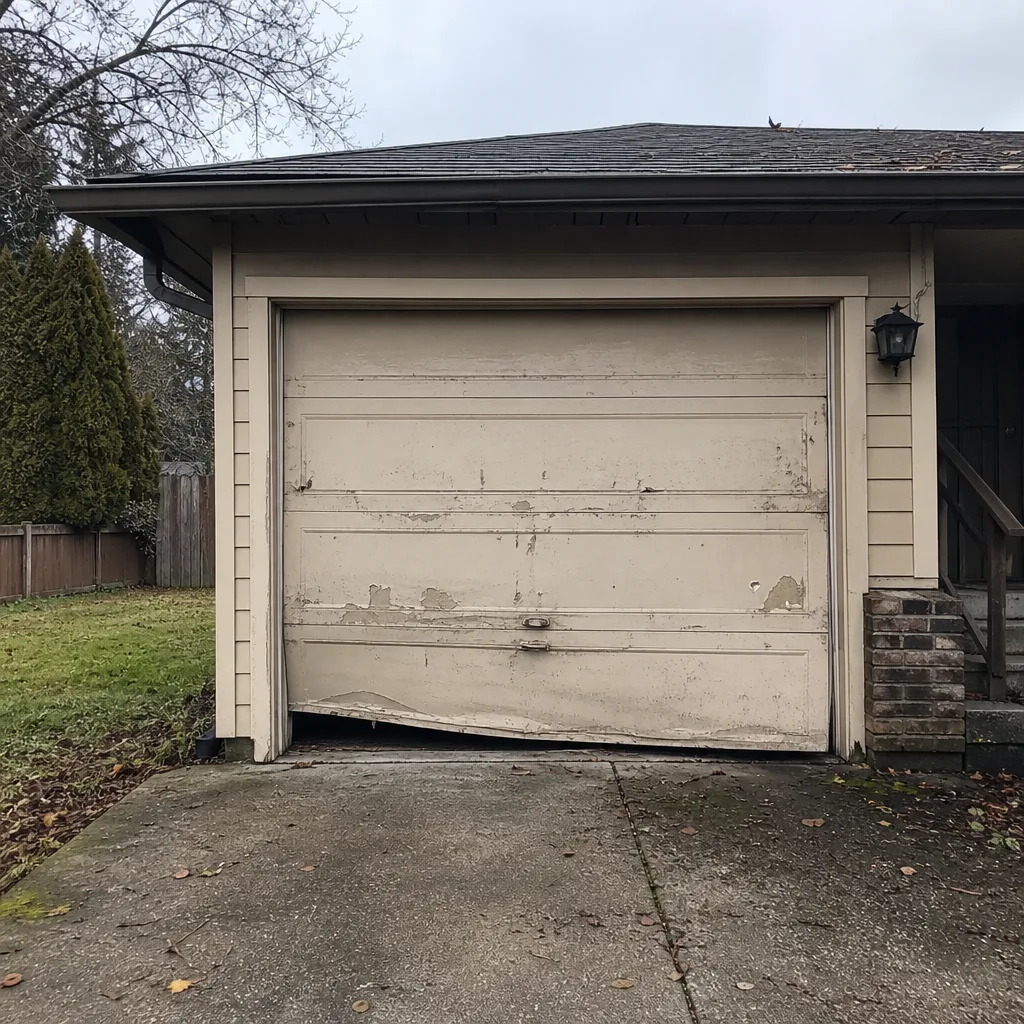 Before
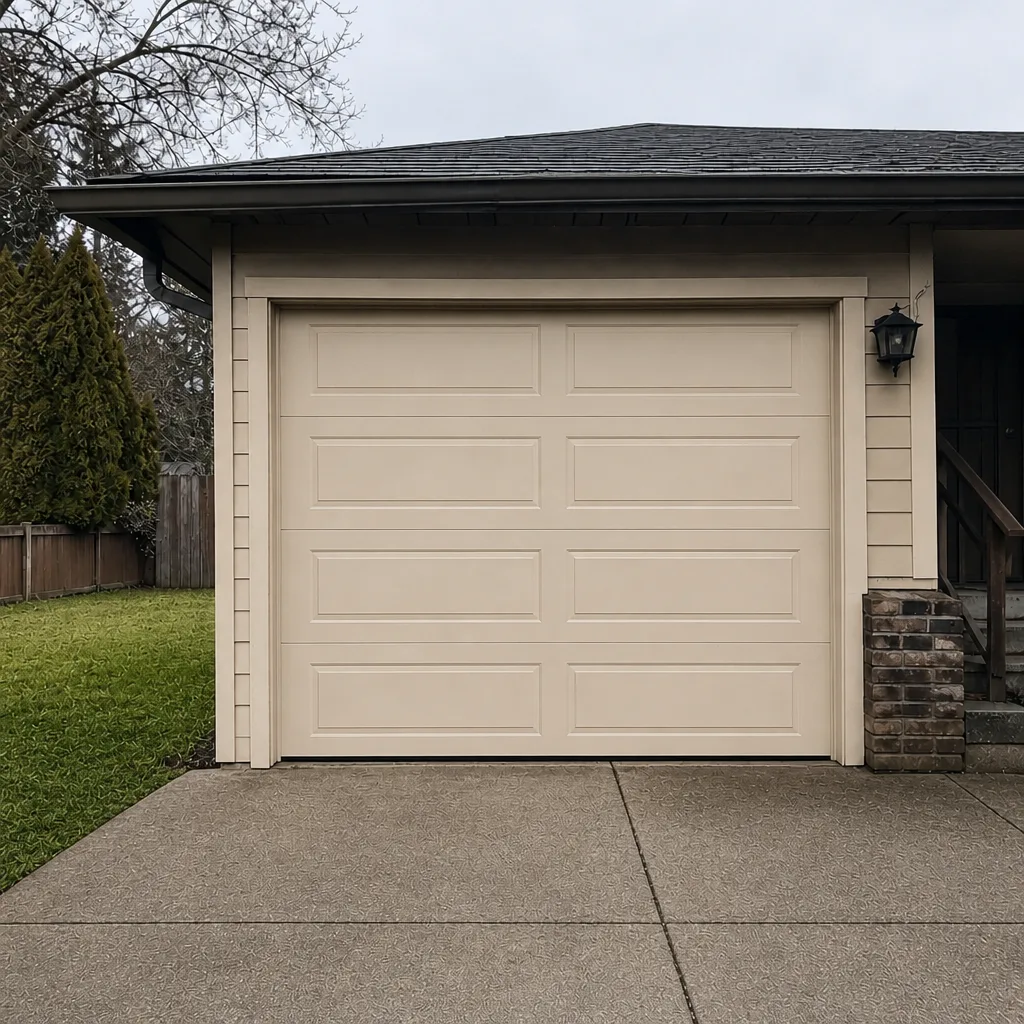 After
When to Call a Professional
Call a professional for any of the following, without waiting to see if it gets worse: a snapped or stretched spring, a door that’s off its track, a door that won’t stay up on its own, a cable with visible fraying or a drum that’s popped loose, an opener that hums without moving, or an opener that reverses unexpectedly even after you’ve cleaned and aligned the sensors. Also call if the door has started making a new sound. Garage doors rarely fail without warning. The warning is usually the sound you’ve learned to ignore.
Emergency service matters because a stuck-open or off-track door is a security and safety problem, not a scheduling inconvenience. If your door failed and can’t wait, say so when you call. Lynnwood Garage Door Repair Pros offers free estimates in Lynnwood and across the surrounding area, and we’ll tell you what the fix actually involves before any work starts. Call (855) 658-5277.
Frequently Asked Questions
No. Torsion springs store enormous energy and require winding bars, safety clamps, and correct sizing. A mismatched or incorrectly wound spring can fail suddenly and cause serious injury. Spring work belongs to a trained technician.
Yes, for the safe category: lubrication, sensor cleaning, weather seal replacement, and visual inspection. These carry essentially no mechanical risk and often fix minor symptoms. Anything involving springs, cables, or a door that’s off its tracks is not worth the risk.
Cost varies with the task: a sensor adjustment, a roller replacement, a panel repair, or an opener diagnostic are all small jobs, while spring and cable work is higher. The quote is set before any work starts, so you know the number before you commit. Call (855) 658-5277 for an exact estimate, which is free.
Torsion springs wrap around a shaft above the door and store the most energy, so they’re solidly in the professional-only category. Extension springs run alongside the tracks and are somewhat less dangerous but still not a safe DIY task. Both belong to a technician.
If the fix involves the door’s balance, its springs, its cables, or its tracks, it’s a professional job. If it involves lubrication, sensor alignment, a weather seal, or a battery, it’s a safe DIY task. If you’re between those two, the free estimate is a fast way to get a straight answer.
Yes. We work on all major brands, including LiftMaster, Chamberlain, Genie, Clopay, Amarr, Wayne Dalton, Craftsman, and Raynor. That covers integrated smart-home openers from LiftMaster and Chamberlain through the older Craftsman units still running in many Lynnwood homes. We bring the right parts for your brand rather than guessing.
The Bottom Line
The DIY question isn’t about how handy you are. It’s about which tasks carry mechanical risk you can’t see. Lubrication, sensor cleaning, weather seals, and visual inspection are fair game for a careful homeowner. Springs, cables, tracks, and off-track recovery belong to a technician with proper tooling and training. In Lynnwood, cold snaps, sustained rain, and older housing stock are real reasons to get a proper look at your door rather than guess. When the repair sits in the caveat category, the free estimate is the fastest way to know. Repair or replace, we’ll tell you which one makes sense.
If you’re ready for a straight answer on your garage door, call Lynnwood Garage Door Repair Pros at (855) 658-5277 for a free estimate. Our technicians have up to 12 years of experience, we work on all major brands, and we’ll give you a written price before any work starts.
Written by the team at Lynnwood Garage Door Repair Pros.