Last updated November 24, 2026
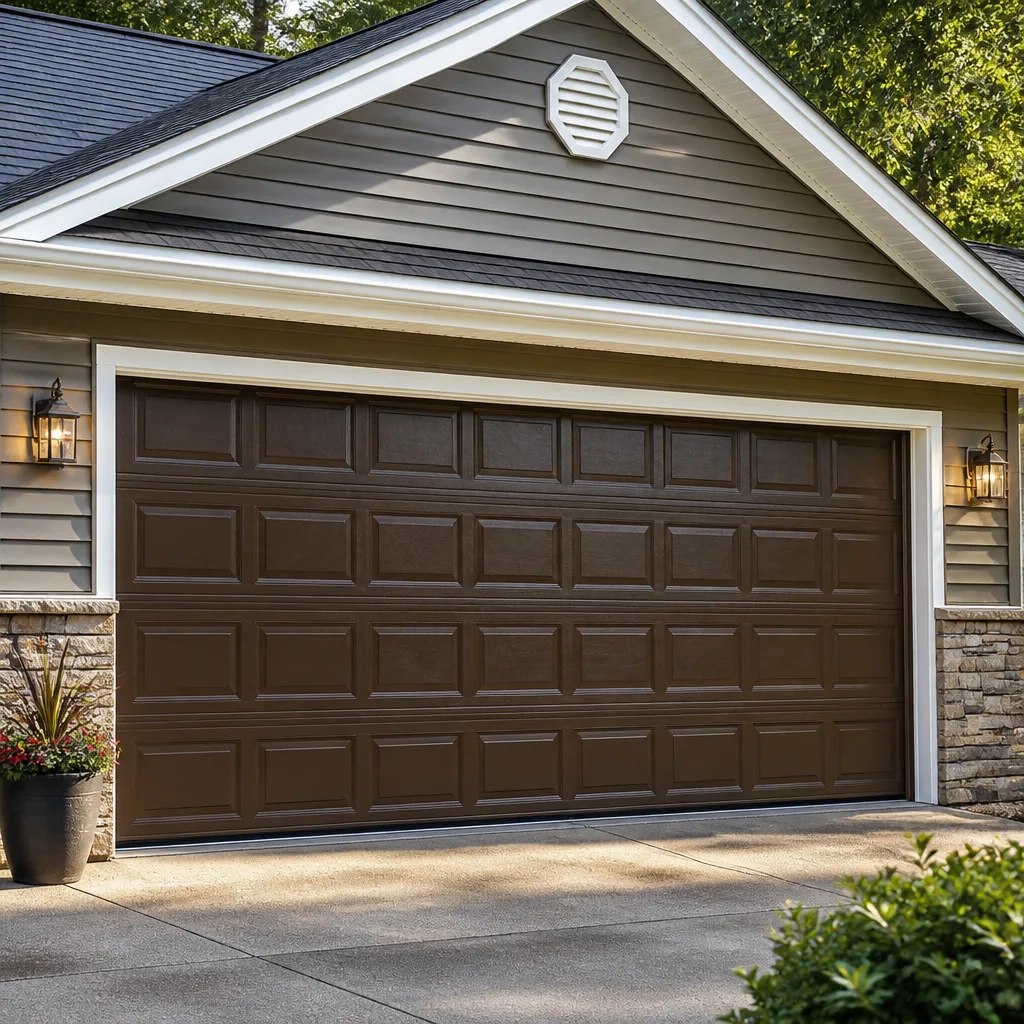 Raised-panel steel
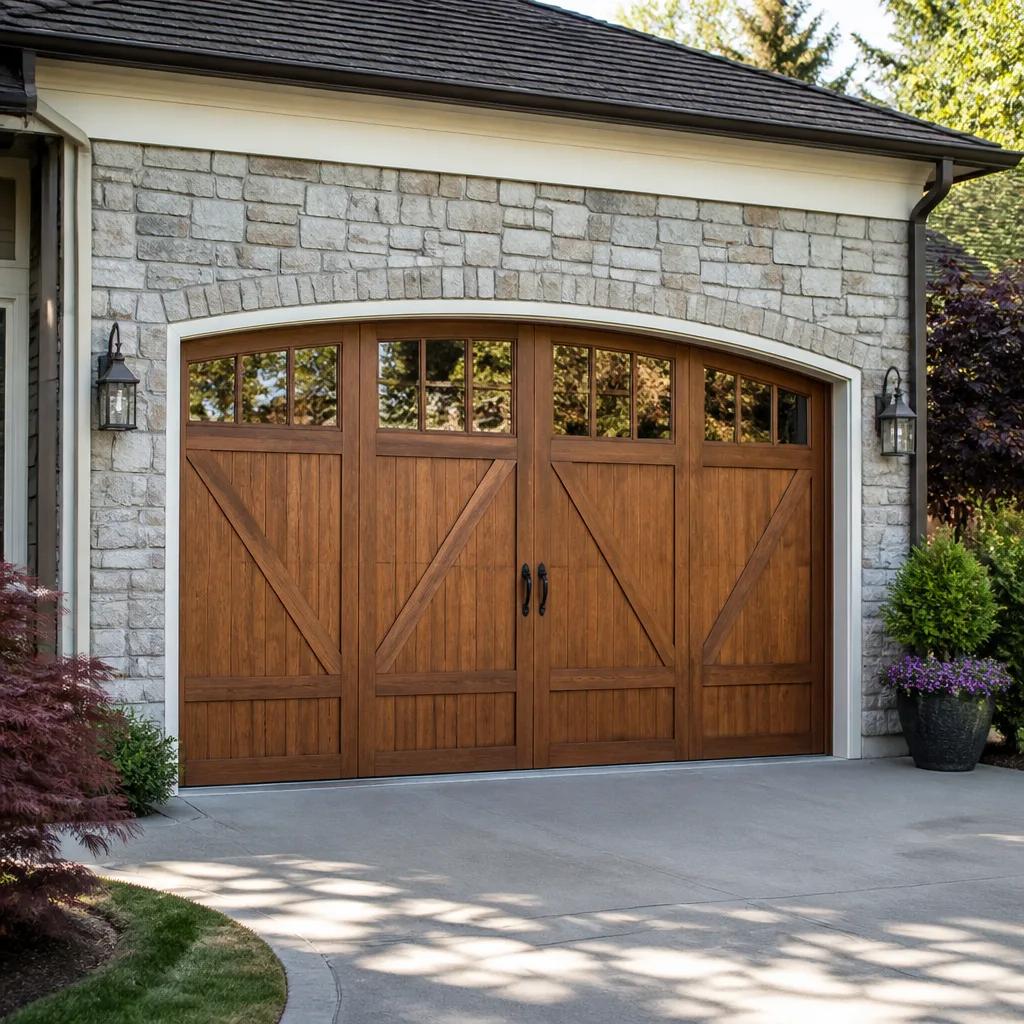 Carriage house
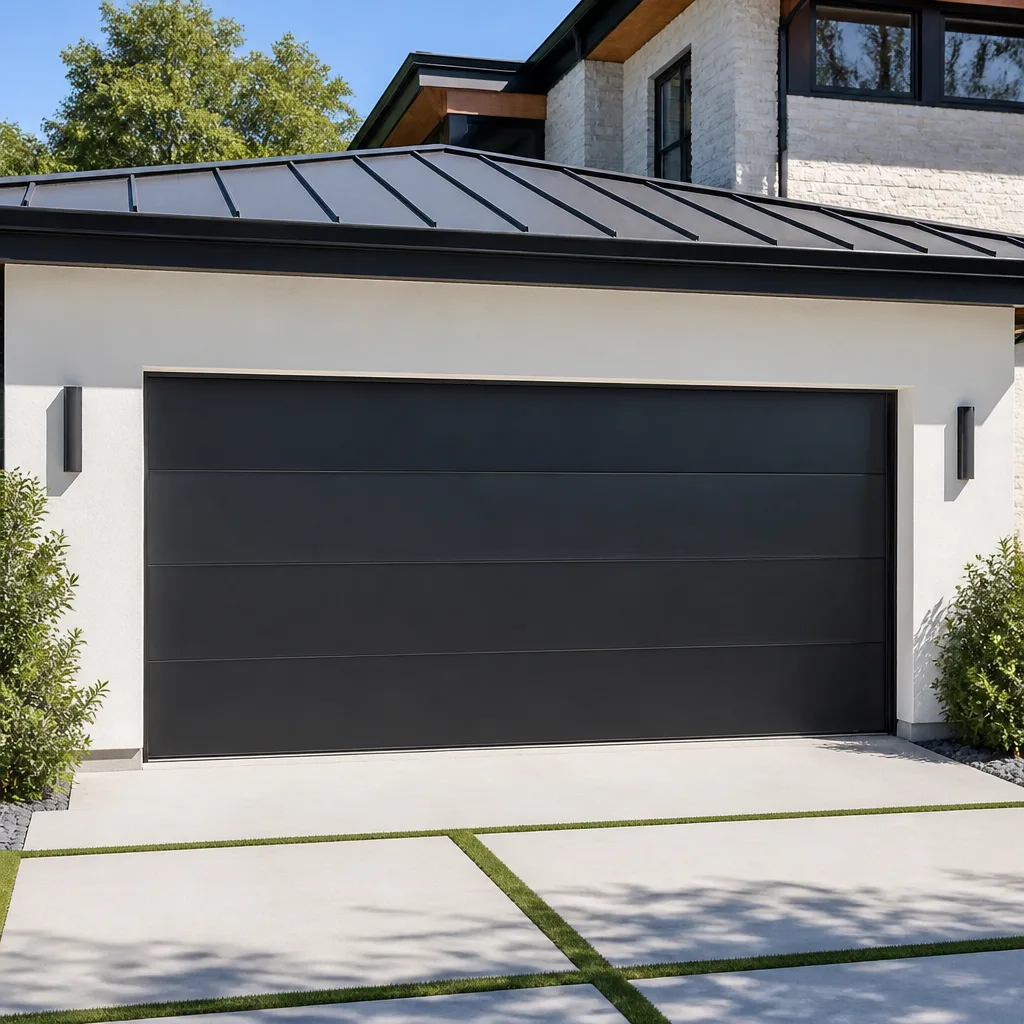 Modern flush
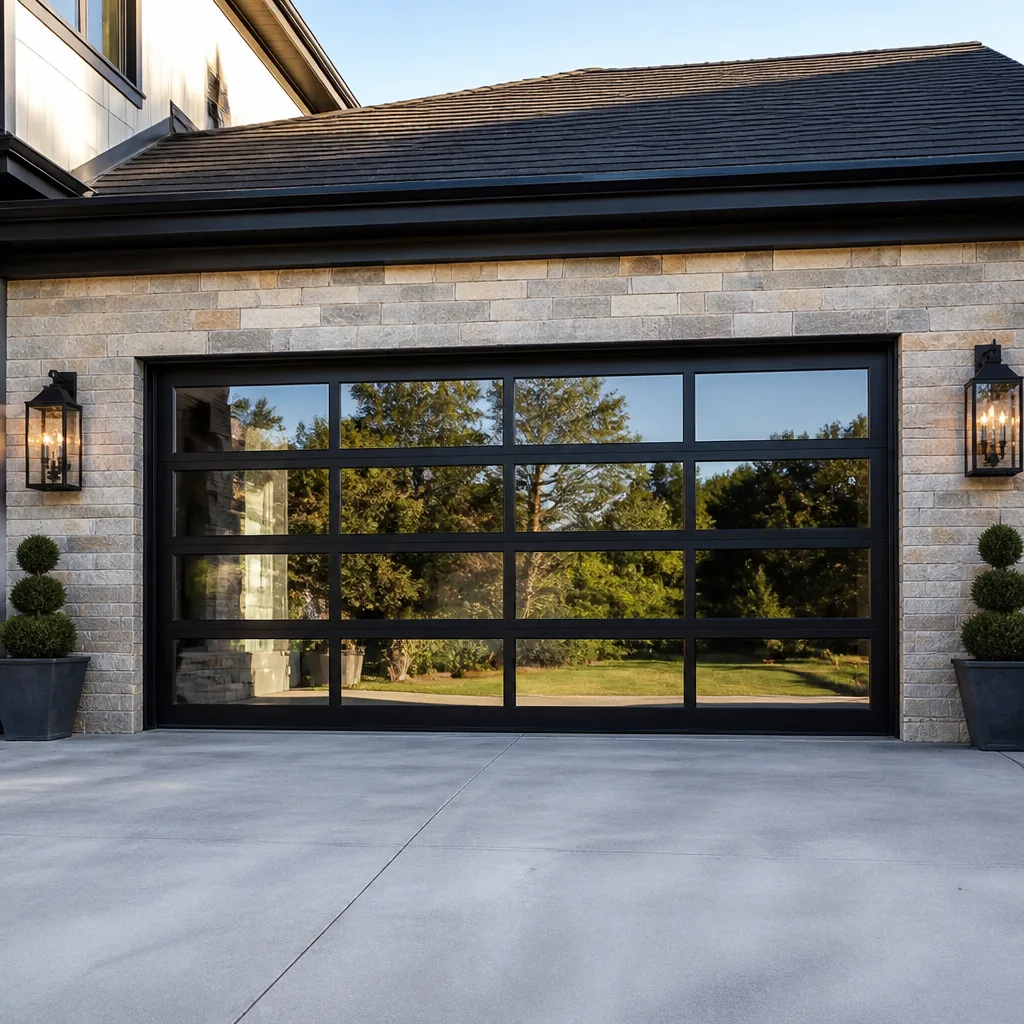 Full-view glass
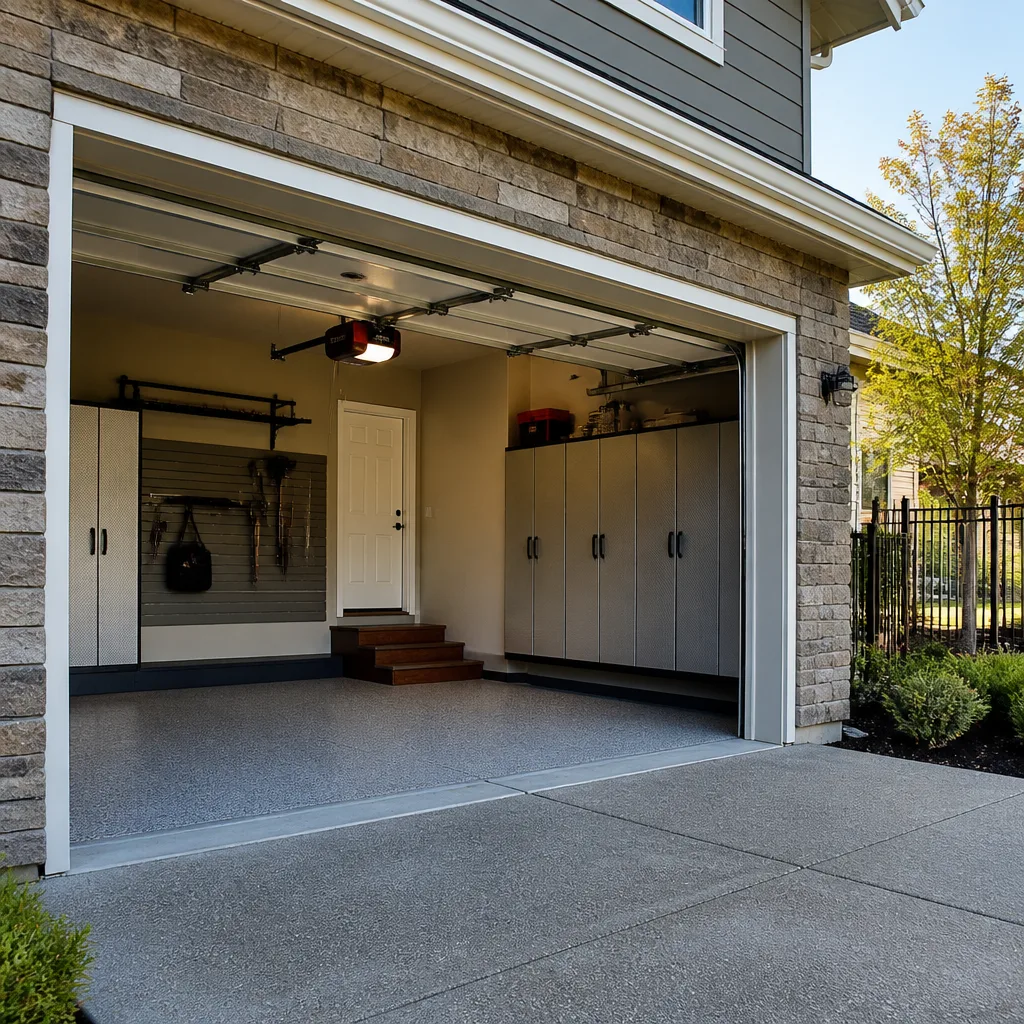 LiftMaster openers
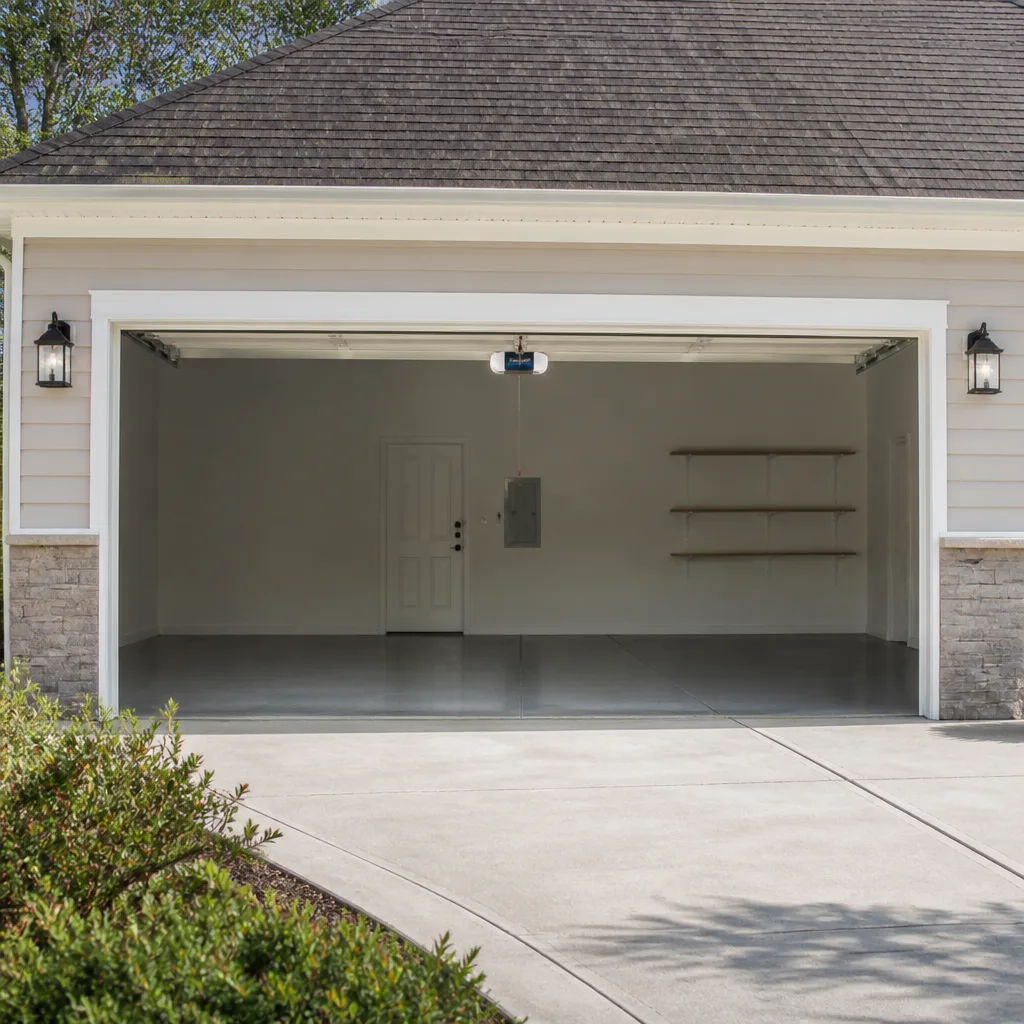 Chamberlain openers
Full 25-point door and opener safety check with every visit - springs, cables, rollers, tracks, and your LiftMaster or Chamberlain opener included
You get a price before we start. It does not change when the pro arrives.
Get your free estimateGarage Door Cost Breakdown: The Lynnwood Homeowner’s Reference for 2026
Two quotes for the same torsion spring replacement can land $180 apart and describe identical work. The difference usually isn’t the parts or the skill. It’s the labor rate behind the call, whether the contractor quotes one spring or a matched pair, and whether the hardware is cycle-rated or commodity stock pulled off a shelf. Most Lynnwood homeowners never see that structure broken out, so they compare a bottom-line number without knowing what sits under it. This guide pulls the whole cost stack apart, component by component, with 2026 ranges, the logic behind bundling, and the break-even math between repair and replacement. By the end, you’ll read a garage door quote line by line and know exactly what you’re buying.
Quick Answer
In Lynnwood, WA, most garage door repairs in 2026 run $150 to $600, with a single torsion spring replacement typically landing between $180 and $340 before a matched pair pushes toward $360 to $680. Full opener replacement usually falls between $350 and $900 installed, and a complete new door sits in the $1,200 to $4,500 range depending on material, insulation, and size. The written estimate you get after an on-site measure sets the final price, and every repair is quoted and agreed before any work starts.
Styles & brands we work with
- Raised-panel steel
- Carriage house
- Modern flush
- Full-view glass
- LiftMaster openers
- Chamberlain openers
Table of Contents
- What actually drives garage door costs in Lynnwood
- Component-by-component price ranges for 2026
- Labor rates and service call fees in the Lynnwood area
- The “while we’re here” question: when bundling makes sense
- Repair or replace? The break-even math over a decade
- How to read a garage door quote line by line
- Why spring and cable work is high-stakes and shouldn’t be DIY
- What Lynnwood’s wet winters do to garage door hardware
What Actually Drives Garage Door Costs in Lynnwood
Strip a garage door quote down and you’ll find four cost buckets: parts, labor, overhead, and what we’d call the “call cost” – the trip to your home, diagnosis, and setup. Parts are fairly standardized across brands like Clopay or Amarr, so a spring is a spring in terms of raw material. Labor is where ranges spread, because one company charges a $95 flat rate and another bills hourly with a two-hour minimum. Overhead covers insurance, vehicle, tools, and warranty reserve – it’s real cost, but it shouldn’t be padded into a line item you can’t trace.
The variable Lynnwood homeowners rarely factor in is what kind of door system they own. A 15-year-old Wayne Dalton with extension springs behaves differently from a newer torsion setup on an Amarr carriage door. Each has different failure points, different parts availability, and different labor times. When you get a quote, the technician should already know which system you have before pricing the job.
- Parts: springs, cables, rollers, hinges, panels, openers, and tracks. Prices vary by tier (commodity vs. cycle-rated) and brand compatibility.
- Labor: skilled time to diagnose, disassemble, install, and test. Varies by job complexity, door weight, and spring type.
- Call cost: the trip out, whether or not repair work follows. Some contractors fold it into the repair price; others bill it separately.
- Warranty: a job backed by a real warranty costs slightly more upfront, but saves on repeat visits.
Understanding these four buckets is the first step to comparing quotes honestly. A $95 quote and a $280 quote for the same spring might be identical work with different labor strategies. Neither is “wrong” – but you should know which you’re paying for.
Component-by-Component Price Ranges for 2026
Below are typical Lynnwood-area ranges for common garage door repairs in 2026. These are estimates only; the written quote after diagnosis is the actual price. We’ve broken each line into low, mid, and high tiers so you can see what drives the spread.
Torsion spring replacement (single spring): $180 to $340. Low end covers commodity springs and a fast swap. Mid covers a cycle-rated spring with a real warranty. High end covers a heavier door, tighter clearance, or a premium spring. A matched pair runs $360 to $680, because both springs are almost always replaced together.
Extension spring replacement (pair): $140 to $280. Extension springs are cheaper but require safety cables and careful alignment.
Cable replacement (per side): $100 to $220. Cables are safety-critical and should never be patched – one side usually means both sides due to wear symmetry.
Roller replacement (set of 10-12): $120 to $260. Nylon rollers sit at the low end, sealed bearings at the high end.
Hinge replacement (per hinge): $25 to $60, with full sets often priced as a bundle.
Panel replacement (single section): $180 to $500 depending on door model and whether the panel is still in production. Older Clopay and Wayne Dalton models may need custom fabrication.
Opener replacement (installed): $350 to $900. Chain-drive Genie units sit at the low end. Belt-drive or smart-home-integrated openers with battery backup push toward the high end.
Track replacement (both sides): $220 to $450, driven by door weight and whether the frame needs adjustment.
These ranges assume a standard single-car or double-car residential door. Oversized doors, low-headroom setups, and unusual mounting arrangements push toward the high end of each range or above it.
Labor Rates and Service Call Fees in the Lynnwood Area
Labor rates on garage door work in the Lynnwood area generally land between $85 and $160 per hour in 2026, though most contractors price by the job rather than the hour. A service call fee usually runs $45 to $95 and covers the trip out plus diagnosis. What that fee should include: the technician’s time to inspect the door, test the opener, identify the failure, and produce a written quote. What it shouldn’t include: a hidden “diagnostic” charge stacked on top of the repair, or a parts markup designed to recoup a low call fee.
Some contractors fold the call fee into the repair price if you approve the work on the spot. Others bill it separately regardless. Neither is wrong, but you should ask which model you’re getting before the technician arrives. A clean quote will tell you.
A fair service call in Lynnwood gets you a technician who arrives knowing your brand. We work on LiftMaster, Chamberlain, Genie, Clopay, Amarr, Wayne Dalton, Craftsman, and Raynor systems, so diagnosis doesn’t start with a guessing game. Our technicians have up to 12 years of experience, and they carry the common parts for those brands in the vehicle. That model reduces the “we’ll need to come back with the right part” second trip, which is where labor costs quietly double.
One more labor note: the Lynnwood-area market includes both single-technician operators and multi-tech companies. Rates vary accordingly. A $95 spring swap and a $280 spring swap can both be legitimate – one may include a cycle-rated spring with a warranty and the other a commodity spring with a 90-day guarantee. Always ask what tier of part the quote reflects before you compare totals.
The “While We’re Here” Question: When Bundling Makes Sense
Bundling repairs on a single service call saves money when the items genuinely share labor and access. It’s upselling when the extra work isn’t needed yet or doesn’t overlap with the labor already on-site. The distinction matters because the “while we’re here” pitch is the single biggest driver of garage door invoices that come in higher than expected.
Bundles that usually make financial sense:
- Springs + cables: when a spring fails, cables have usually seen the same wear cycle. Replacing both together saves a second call fee.
- Rollers + hinges: both are replaced during panel or track work because you’re already disassembling the door.
- Opener + safety sensors: safety sensors wear out with the opener and share the wiring run.
- Panel + paint match: when replacing a panel on a Wayne Dalton or Amarr door, matching the factory finish is easiest while the door is partially disassembled.
Bundles that usually don’t make sense:
- Full opener replacement during a minor spring fix, unless the opener is genuinely failing. A working 8-year-old opener doesn’t need replacement to justify a spring repair.
- Full door replacement during a repair visit, unless the door itself is structurally failing (multiple cracked panels, bent tracks beyond repair, or a bottom section that’s rusted through).
- Upgraded springs on a door that’s within five years of replacement. If you’re replacing the door soon, a cycle-rated spring pays off less.
When in doubt, ask the technician to explain why each line item appears on the quote. A legitimate bundle has a “shared labor” or “shared access” answer. If the reason is “it’ll fail eventually,” that’s a future concern, not a today concern. It’s fine to note it and decide later.
Repair or Replace? The Break-Even Math Over a Decade
A 15-year-old garage door that needs a spring, a set of rollers, and a panel can easily cross $800 in a single year. Add a second repair season two years later, and you’re looking at $1,200 to $1,500 spent on a door with maybe another five years in it. That’s often when replacement starts to look cheaper per decade than repair – not because the repair is overpriced, but because the underlying door is near the end of its service life.
Run the numbers:
- Full replacement scenario: a new insulated door in Lynnwood typically runs $1,200 to $2,500 installed for a standard single-car, or $2,000 to $4,500 for a double-car with upgraded insulation and hardware. A mid-quality door should serve 20 to 25 years with routine maintenance.
- Repair scenario on a 15-year-old door: spring replacement, rollers, hinges, and a panel often run $600 to $1,000 in one visit. Assume a second repair event two to three years later at $400 to $700.
- Break-even check: if your door is under 10 years old and the repair is under $600, repair almost always wins. If it’s 15+ years old and the repair crosses $800, run the numbers on replacement. If it’s 20+ years old, replacement is usually the better decade math.
The break-even point depends on door age, current condition, and how many more repairs you can realistically expect. A door with a bent track and cracked bottom panel may fail again within 12 months regardless of what you spend on springs. A door with a solid panel and a single bad spring is usually worth fixing.
We work on both scenarios – repair or replacement – so we’ll tell you which one actually makes sense for your door. If a repair is the better call, we’ll quote it. If replacement is the better decade math, we’ll say so and quote that too. No referral, no subbing it out.
How to Read a Garage Door Quote Line by Line
A clean garage door quote breaks into four parts: diagnosis, parts list with brand and tier, labor hours or flat rate, and warranty terms. If any of those is missing, ask before you approve. Here’s how to walk through a quote:
- Confirm the diagnosis matches the symptom. If the door won’t open and the quote lists a spring replacement, that makes sense. If the door is noisy and the quote lists a full opener replacement, ask why.
- Check the parts tier. “Spring” isn’t enough detail. Ask for the cycle rating and the warranty period. A 10,000-cycle spring and a 25,000-cycle spring look identical but cost differently and last three to four times as long.
- Separate fixed costs from negotiable ones. Parts markup and labor rate are usually fixed. The service call fee may be waivable if you approve work on the same visit – ask. “Shop supplies” and “disposal” fees should be reasonable ($10 to $40 range typical) and itemized.
- Look for warranty language. A real warranty covers the part for a stated period and the labor for a stated period. If it says only “warranted” without a number, ask.
- Confirm what’s NOT covered. Paint matching on panel replacements, spring upgrades on old doors, and any damage to surrounding trim are usually excluded. Ask before you sign.
- Check the total against the range. If the total is far above the typical Lynnwood ranges in this guide, ask what’s different about your door. There’s usually a real answer – a heavier door, unusual clearance, or a premium part – but you should hear it in plain language.
A quote that itemizes each line and explains the reason for each entry is the one you can compare fairly. A one-line quote with just a total is fine for a small repair, but for anything over $300, ask for the breakdown.
Why Spring and Cable Work Is High-Stakes and Shouldn’t Be DIY
Torsion and extension springs store enough energy to lift a 200-pound door. When they fail during handling, or when the wrong tool slips, the released energy can cause serious injury. The same applies to cables under tension. This is why we treat spring repair as a dedicated, safety-critical service rather than an add-on – the work is not complicated once you’ve done it hundreds of times, but it is not a homeowner task.
A few safety facts to keep in mind:
- Never attempt spring repair or replacement yourself. Even experienced hands use winding bars and secondary containment for a reason.
- If a spring snaps, don’t operate the door. A door with a broken spring can drop suddenly if the opener tries to lift it.
- If a cable snaps or comes off a drum, keep everyone away from the door and call for service. A door with one live cable can fall off track entirely.
- Never adjust the torsion shaft or drum yourself, even if it “just looks loose.” The tension held in that assembly is the whole safety issue.
For anyone in Lynnwood dealing with a snapped spring, a jammed door, or an opener that won’t disengage, garage door spring repair is a same-day service in most cases. Technicians arrive with the right winding tools, cycle-rated springs, and secondary safety containment. Call (855) 658-5277 for a quote – estimates are free and the price is agreed before any work starts.
What Lynnwood’s Wet Winters Do to Garage Door Hardware
Lynnwood’s damp, cool winters accelerate wear on certain parts and slow it on others. The parts that fail faster: bottom panel seals, hinges, and any galvanized steel that sees consistent moisture. The parts that hold up well: torsion springs (which don’t mind humidity) and most modern aluminum rollers. Knowing which parts wear faster in Lynnwood’s climate helps you plan repairs and skip unnecessary ones.
- Bottom seals: check every fall. A worn seal lets water under the door and wicks moisture into the bottom panel, which is the most common cause of rust-through.
- Hinges: annual lubrication matters more here than in dry climates. A dry hinge creaks and wears faster.
- Rollers: sealed-bearing nylon rollers handle Lynnwood’s damp conditions better than open metal rollers, which can corrode and flatten.
- Paint finish: a chip in the factory finish is more than cosmetic in this climate – it becomes a rust entry point. Touch-ups in late summer, before the wet season, save panel replacements later.
An annual fall inspection – checking the seal, lubricating hinges and rollers, testing the opener’s auto-reverse – prevents most of the “spring snapped in November” calls we get. It’s a small habit that avoids a bigger bill.
Common Mistakes to Avoid
- Comparing bottom-line totals without checking what’s included. Two quotes can differ by $180 and describe the same work at different part tiers. Ask for the itemized breakdown before you decide.
- Approving a full door replacement when only the spring failed. A snapped spring on a 10-year-old door is a repair, not a replacement. If a quote swings toward replacement on a first-time failure, ask why in plain terms.
- Skipping the cycle rating conversation. A commodity spring and a cycle-rated spring can look identical but differ by three to four times in lifespan. In Lynnwood’s climate, the longer-life spring is usually the better long-term buy.
- DIY-ing a spring or cable repair to save money. This is the single most dangerous DIY repair in the home. The risk is not hypothetical – the stored energy in a torsion spring can cause serious injury in an instant.
- Ignoring a fraying cable until it snaps. Cables give warning signs – strands visible, uneven tension, slight rubbing sound – before they fail. A $100 to $220 cable replacement now prevents an emergency call later.
- Assuming the cheapest quote is the honest one. A $95 spring quote and a $280 spring quote can both be honest, but they rarely buy the same part. Ask what tier each covers.
- Waiting until winter to fix a bottom seal. Lynnwood’s wet season starts in October. A worn seal fixed in September saves a bottom panel replacement in March.
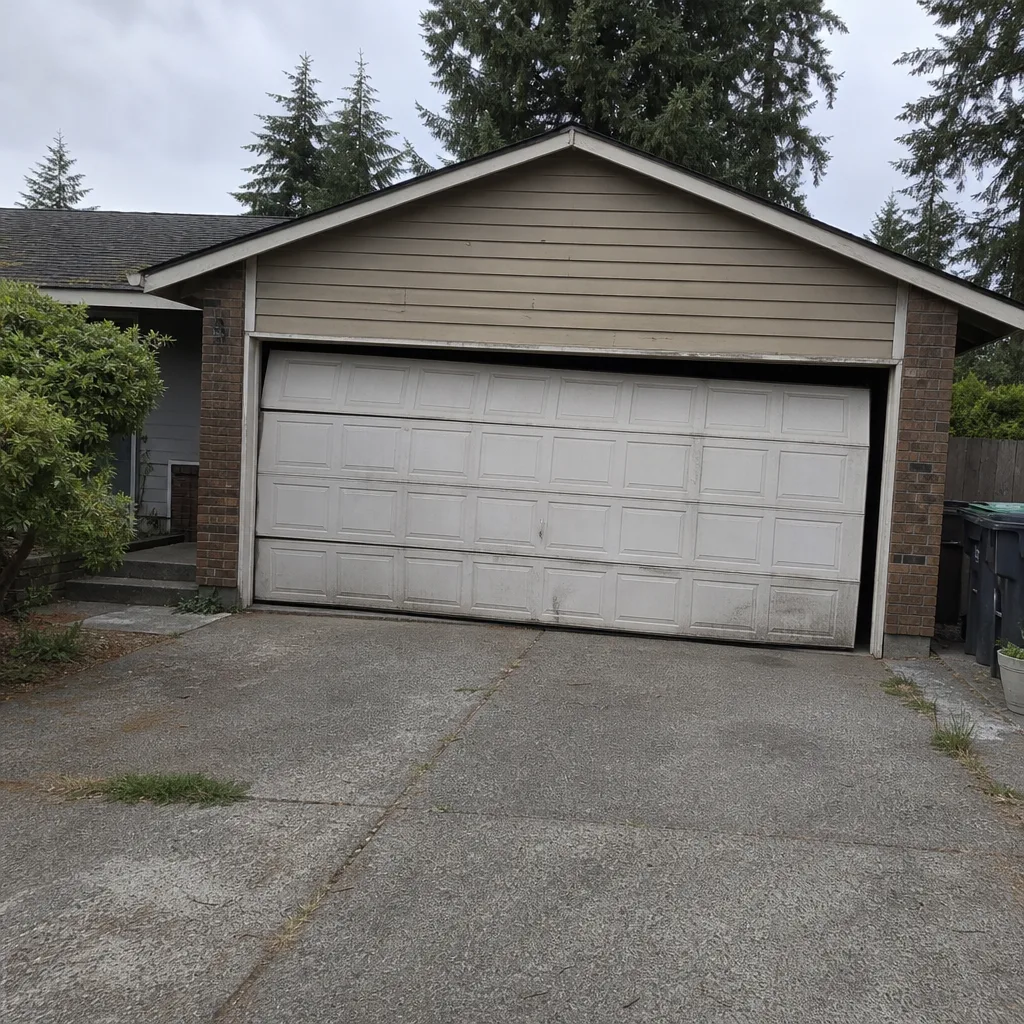
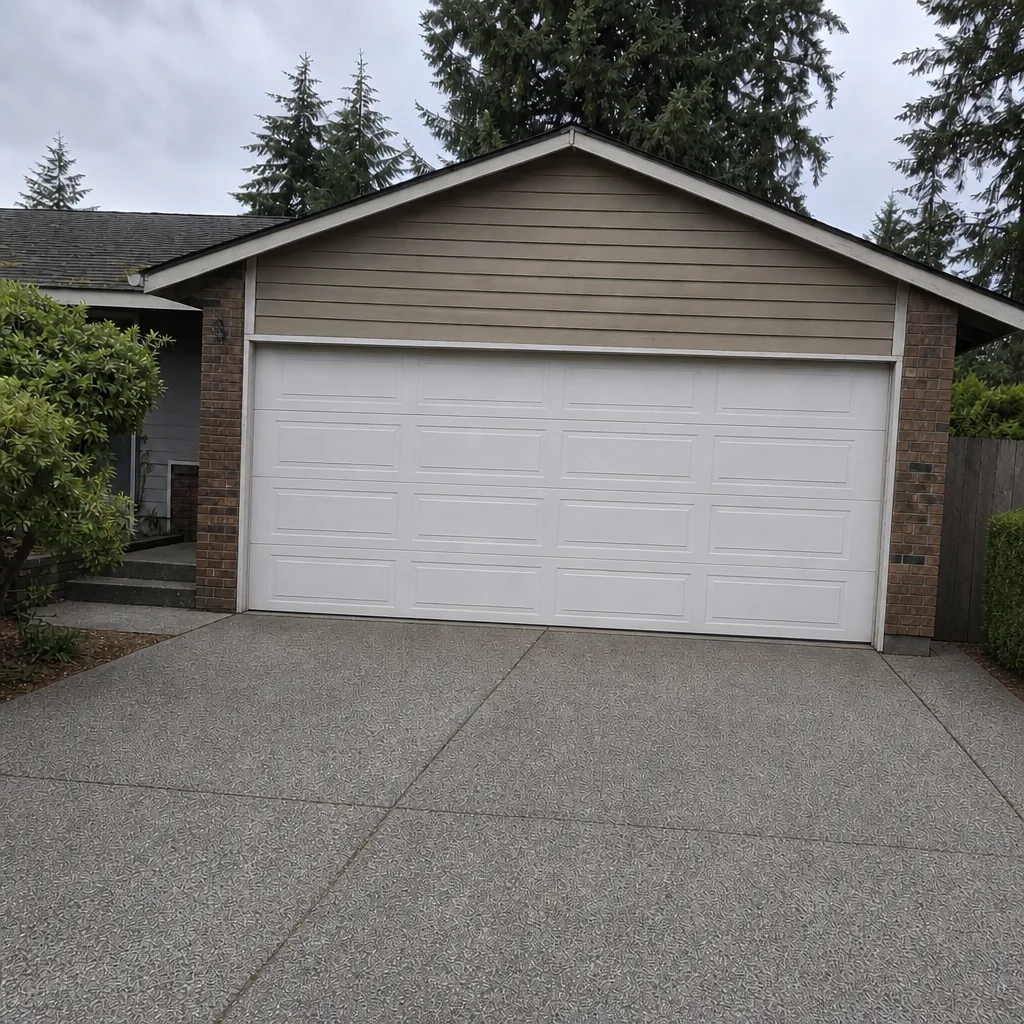
See the difference
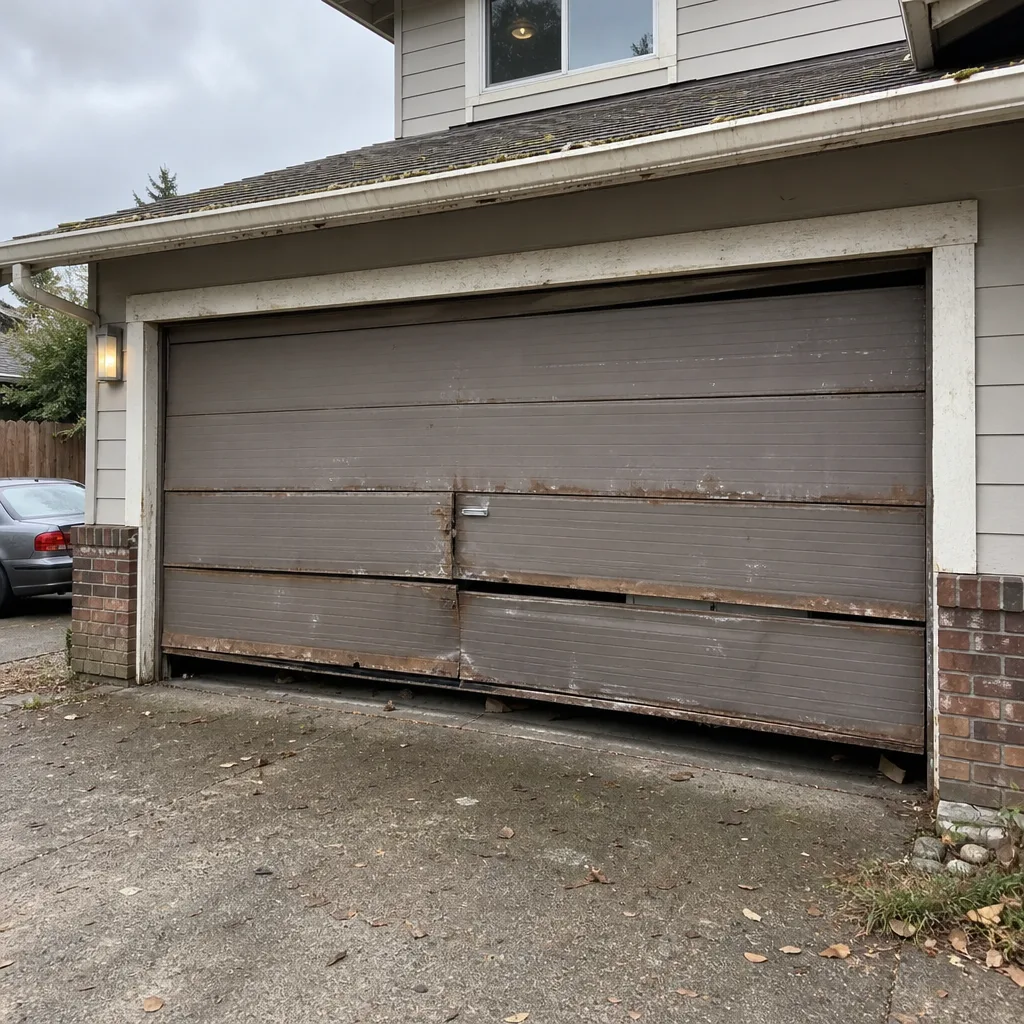 Before
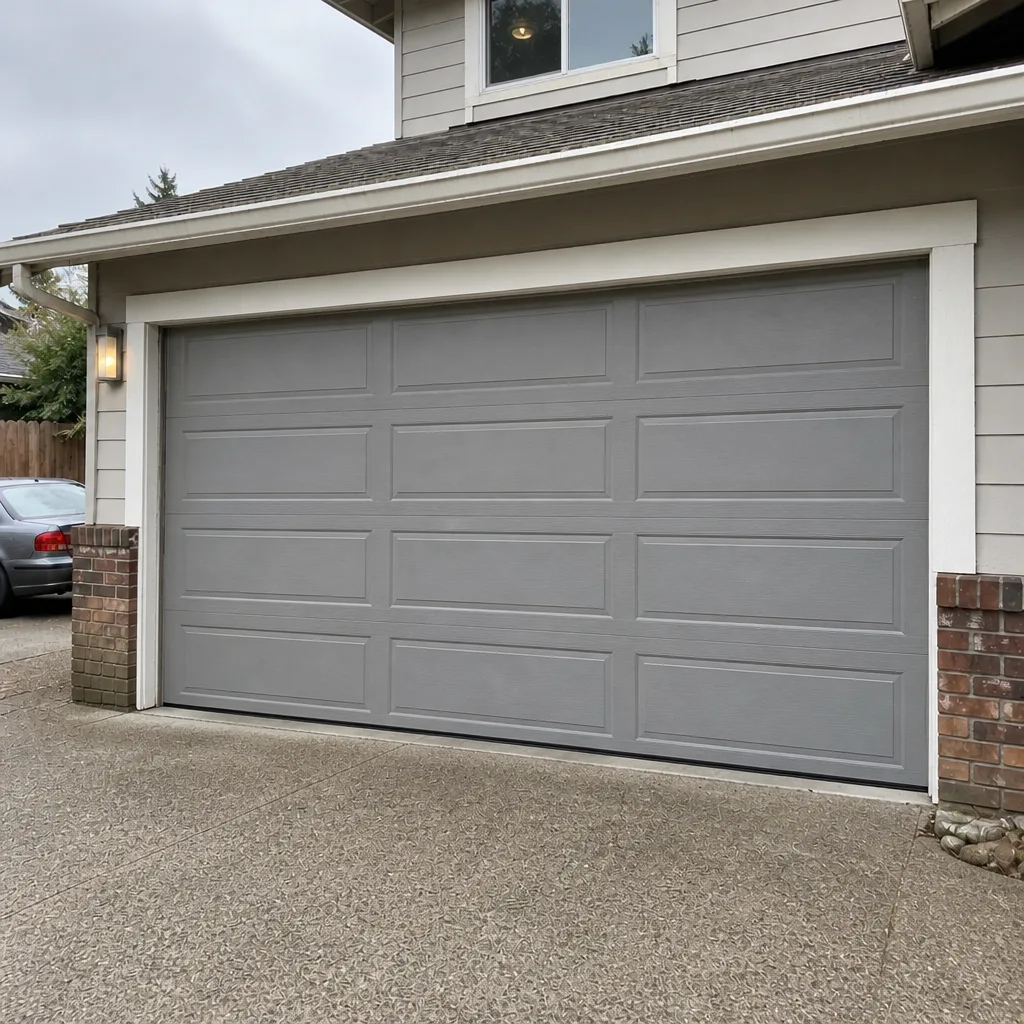 After
 Before
 After
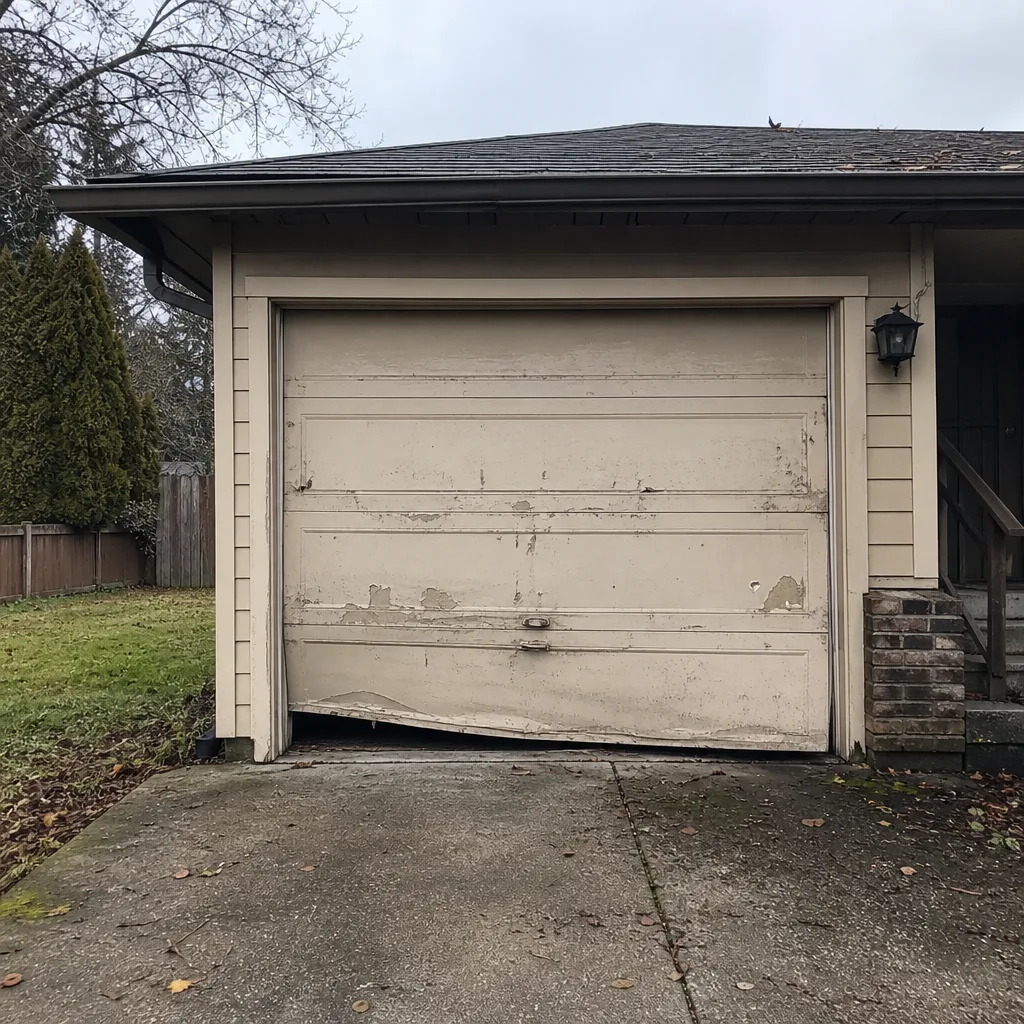 Before
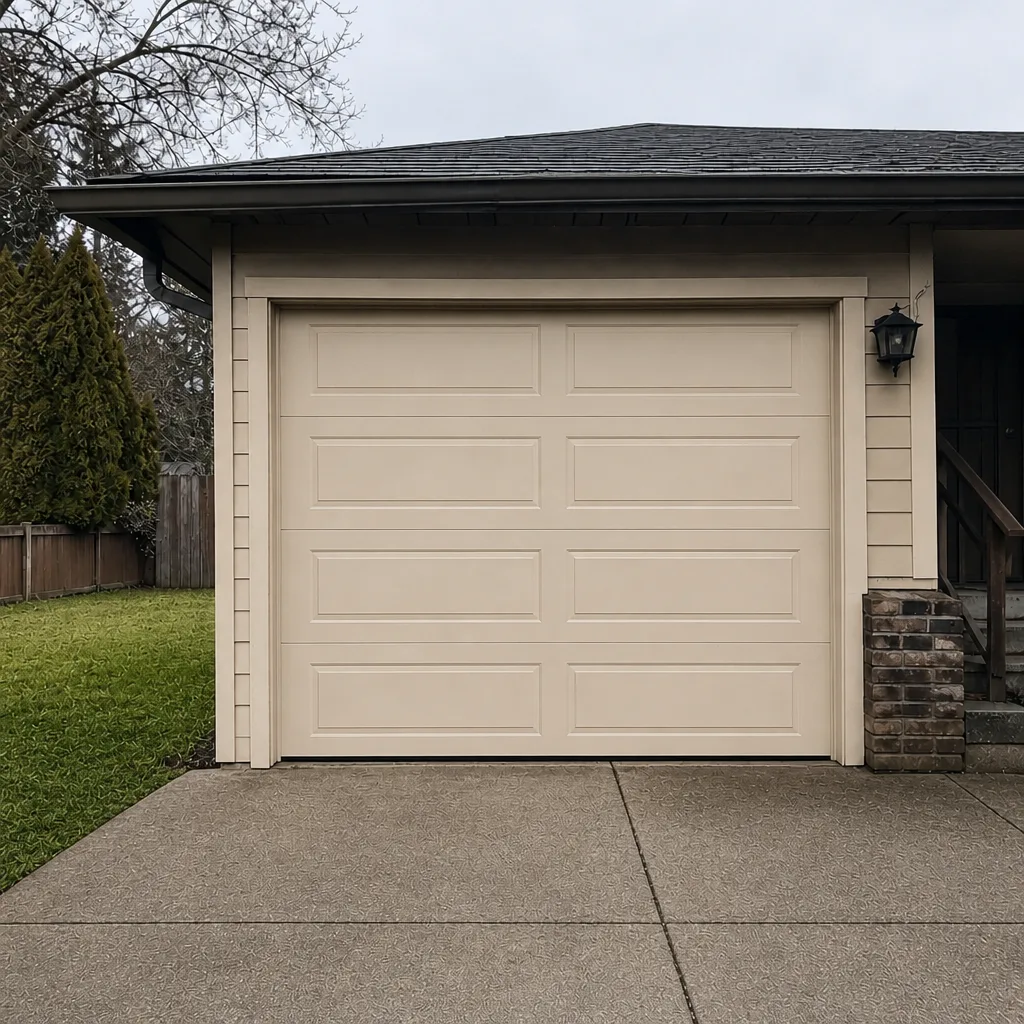 After
When to Call a Professional
Call a professional immediately if a torsion or extension spring has snapped, if a door has come off its tracks, if a cable is visibly frayed or hanging, or if the opener runs but the door doesn’t move. Those are safety issues, not inconveniences. Also call if the door is significantly heavier than usual when lifted by hand, if the opener’s auto-reverse fails a test with a 2×4 laid flat on the floor, or if any hinge or roller has visibly failed. And call before replacing an opener that’s more than 15 years old – a technician can usually tell you in one visit whether the opener or the door is the actual problem. Lynnwood Garage Door Repair Pros offers free estimates in Lynnwood – call (855) 658-5277. Emergency garage door service is available for doors stuck open or off-track, and every repair is quoted before any work starts.
Frequently Asked Questions
Most Lynnwood garage door repairs in 2026 run $150 to $600, and spring replacement specifically lands in the $180 to $340 range for a single spring. Full opener replacement typically runs $350 to $900 installed, and a complete new door sits between $1,200 and $4,500 depending on material and size. The written estimate you receive after diagnosis sets the final price, and it’s agreed before any work starts. Call (855) 658-5277 for an exact quote – estimates are free.
They vary because the parts and labor tiers differ. A $95 quote may reflect a commodity spring with a short warranty, while a $280 quote may reflect a cycle-rated spring with a multi-year warranty and a premium labor rate. Ask the technician to explain the cycle rating and warranty on the part before comparing totals. Call (855) 658-5277 and we’ll walk you through the tiers for your door.
Yes, in most cases. Spring failures are treated as a same-day repair because the door is unusable and potentially unsafe while the spring is broken. Emergency service is also available for doors stuck open, stuck off-track, or with a broken cable. Call (855) 658-5277 and we’ll confirm availability for your Lynnwood address.
The written quote is the price. If the technician diagnoses something the phone description didn’t cover, they’ll show you the new line item and you decide whether to approve it before any work continues. No surprises at the invoice. Call (855) 658-5277 for a free estimate on your specific door.
Usually yes, if the door’s panels and tracks are solid and the repair is under $600. Once a single-year repair crosses $800 on a 15-year-old door, the decade math often favors replacement – a new door should serve 20 to 25 years. Ask the technician to quote both options and compare on the same page. Call (855) 658-5277 – we quote repair and replacement side by side.
Most likely yes. We work on all eight major residential brands in Lynnwood – LiftMaster, Chamberlain, Genie, Clopay, Amarr, Wayne Dalton, Craftsman, and Raynor – along with most other systems. For garage door opener repair, we also handle smart-home-integrated openers and older Craftsman units still running in many homes. Call (855) 658-5277 with your brand and model number and we’ll confirm.
The Bottom Line
Garage door pricing in Lynnwood varies by a factor of three or four for the same job, and understanding the four cost buckets – parts, labor, call cost, and warranty – lets you compare quotes on equal footing. Spring replacement runs $180 to $340 for a single spring, and matched pairs run $360 to $680. Bundle repairs only when they share labor or access, not when they’re “just in case.” Repair usually wins under 10 years and under $600; replacement usually wins over 15 years or when a single repair crosses $800. Ask for a line-item quote every time, and treat spring and cable work as strictly professional. If you’re in Lynnwood and want to know exactly what your door needs, call Lynnwood Garage Door Repair Pros at (855) 658-5277 for a free estimate. Spring repair and garage door repair are quoted and agreed before any work starts. For urgent same-day service on a snapped spring, a jammed opener, or a door off-track, our response team is ready – the Lynnwood Garage Door Repair Pros team handles any make and any model, without the guesswork.
Written by the team at Lynnwood Garage Door Repair Pros.