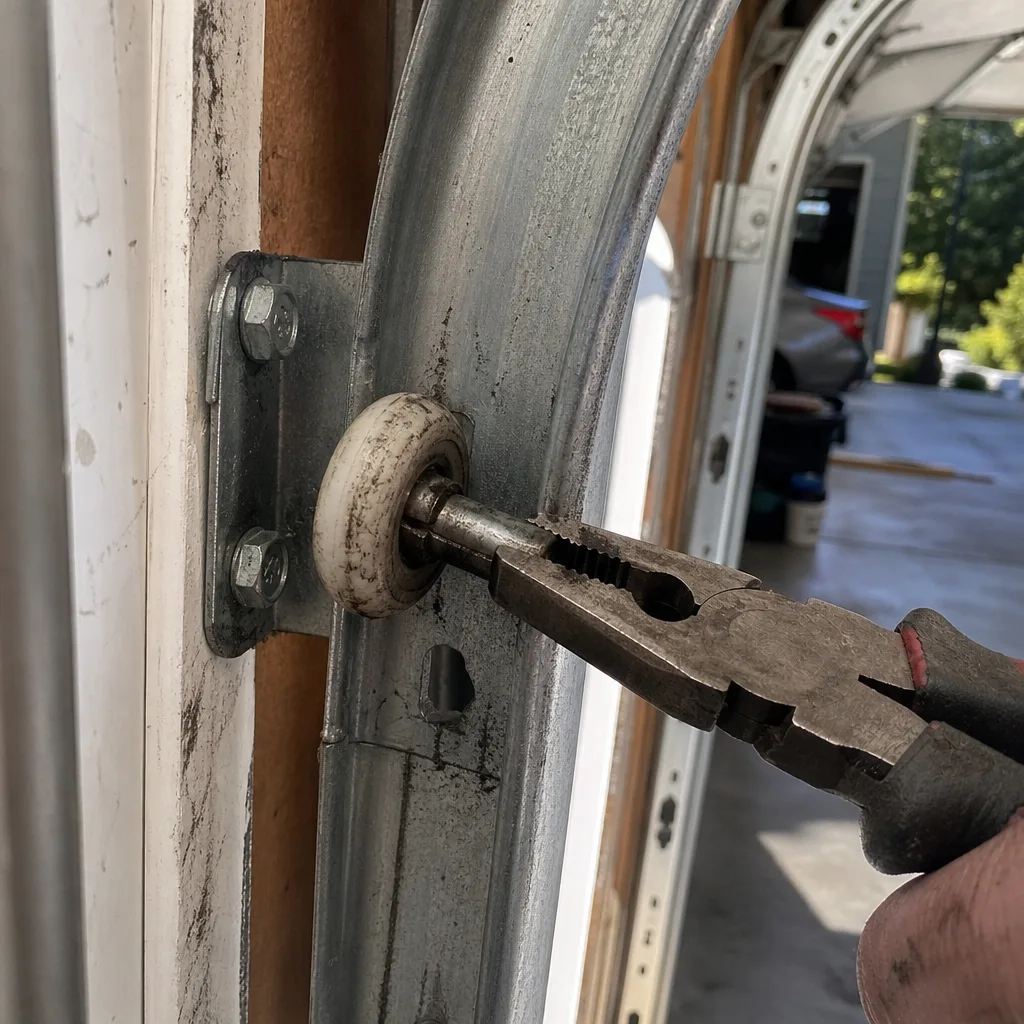
Last updated November 24, 2026
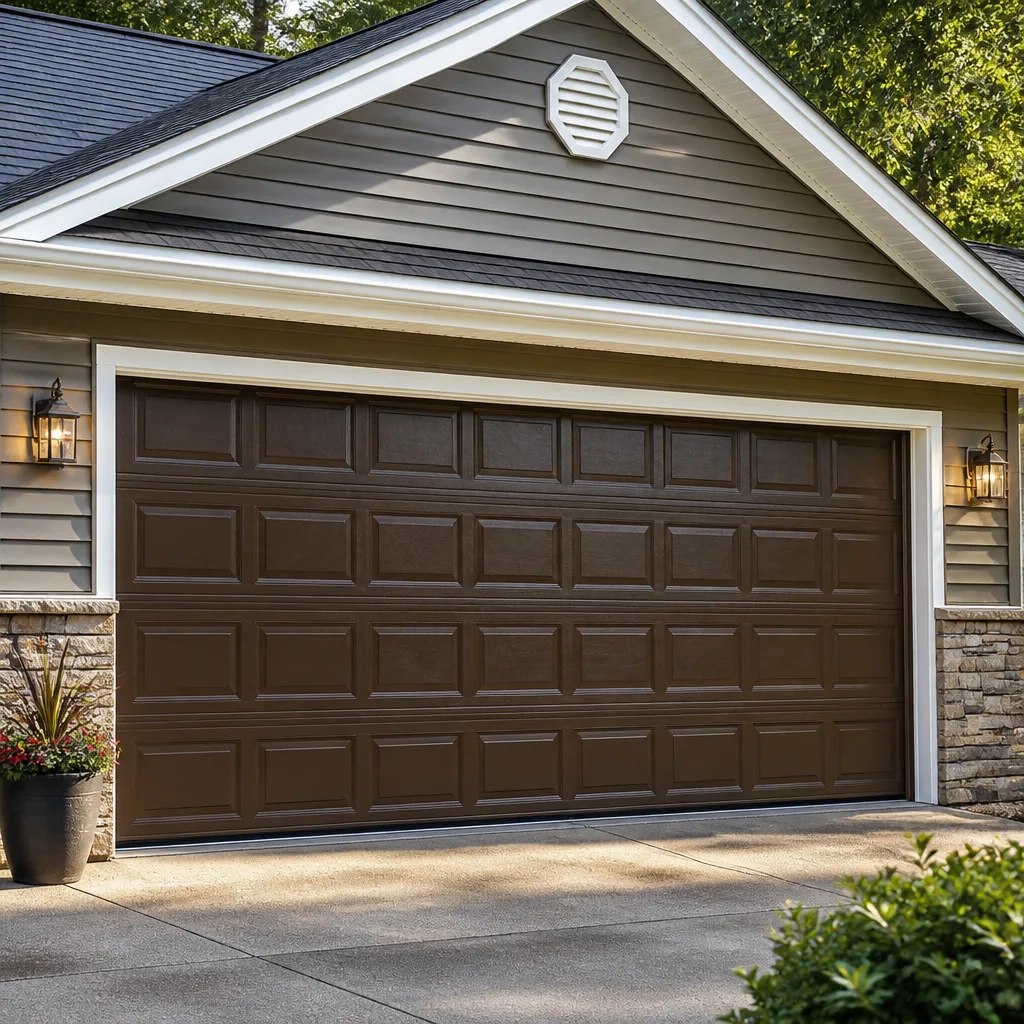 Raised-panel steel
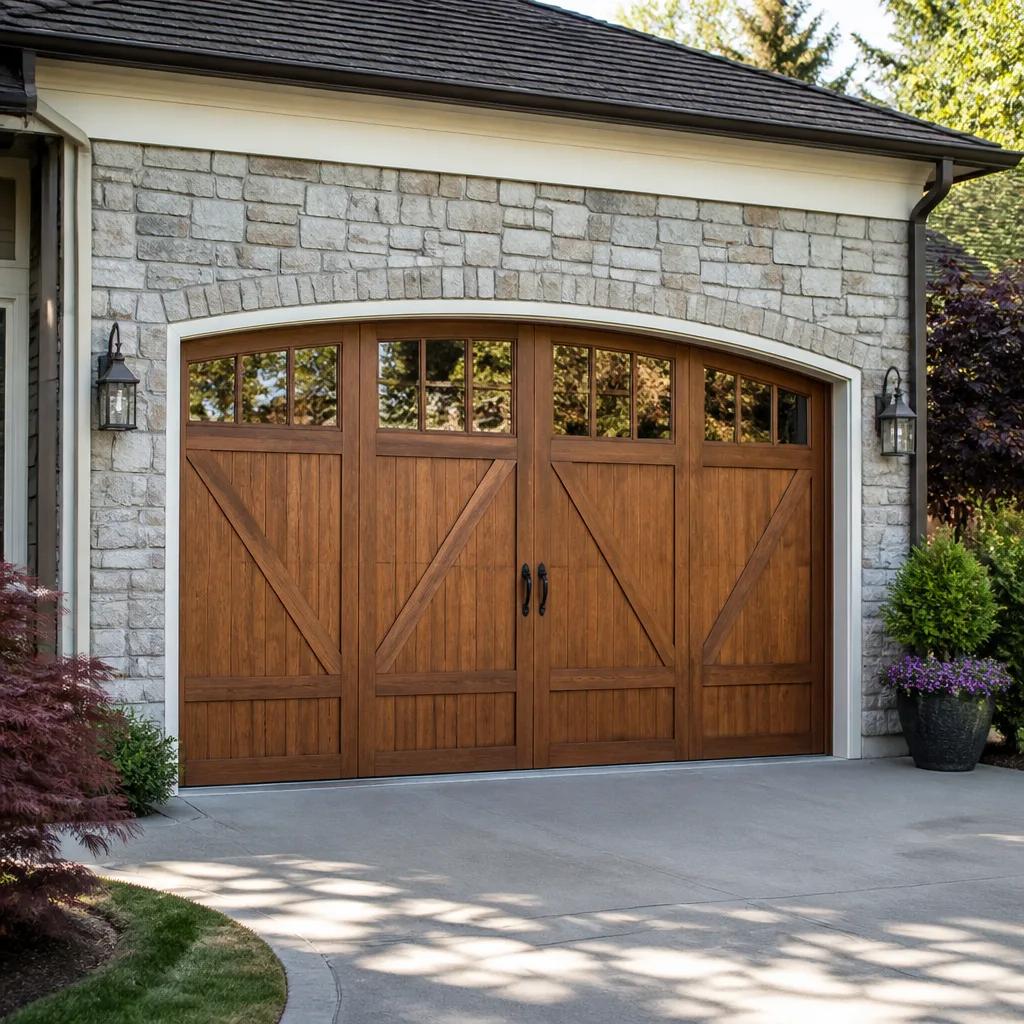 Carriage house
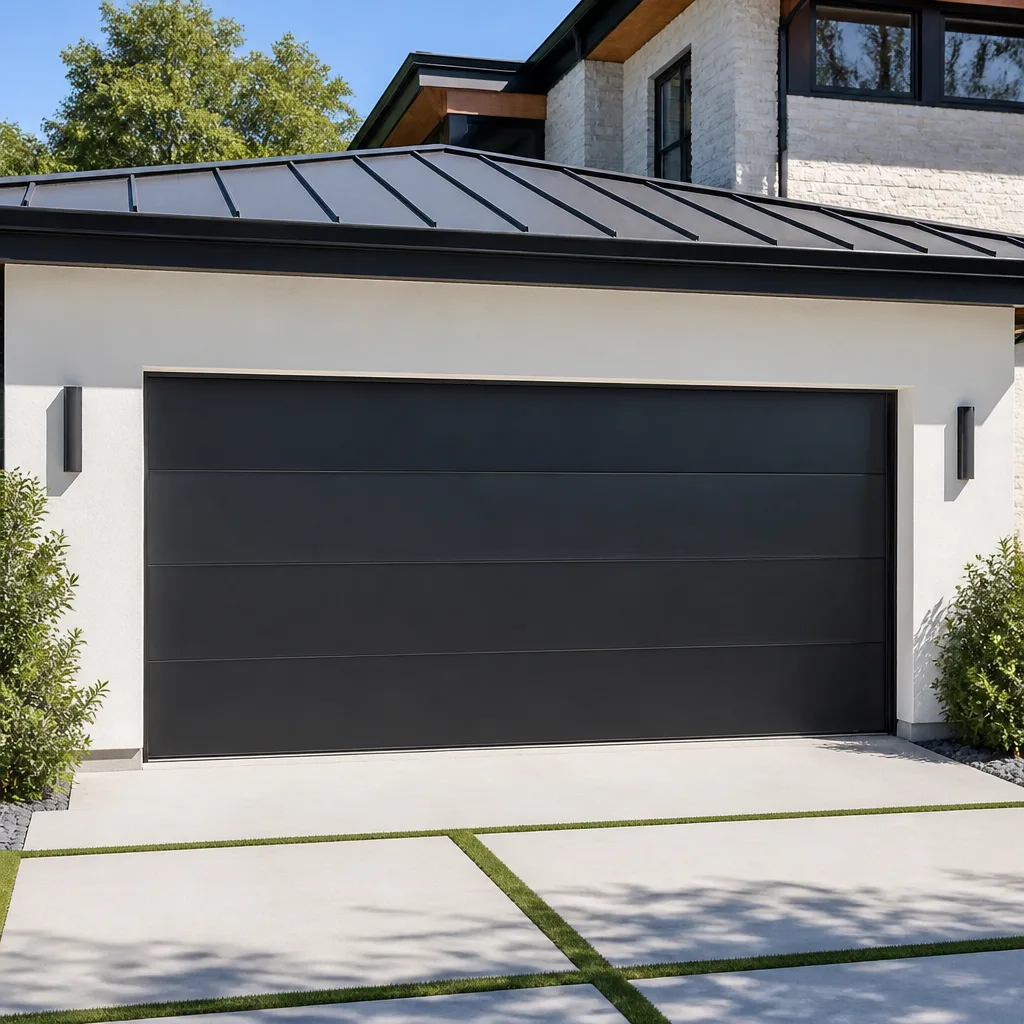 Modern flush
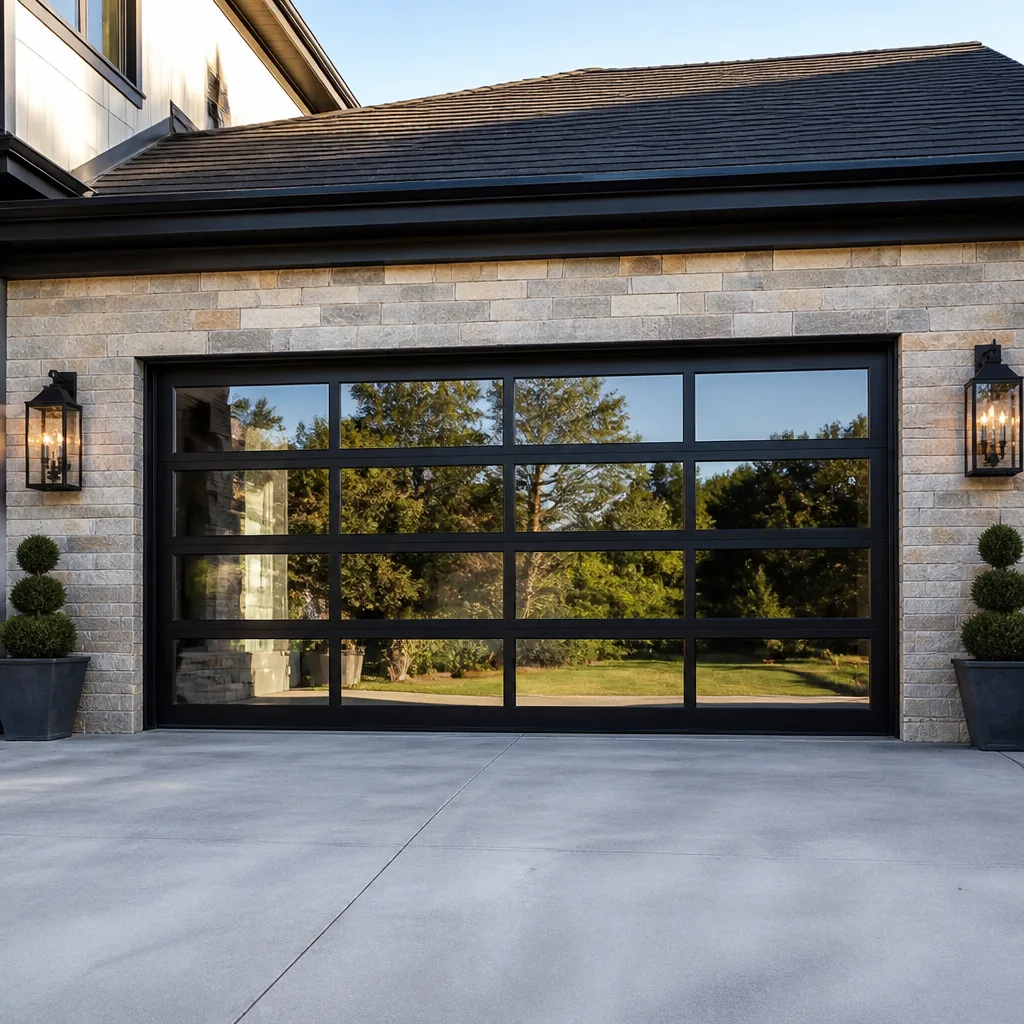 Full-view glass
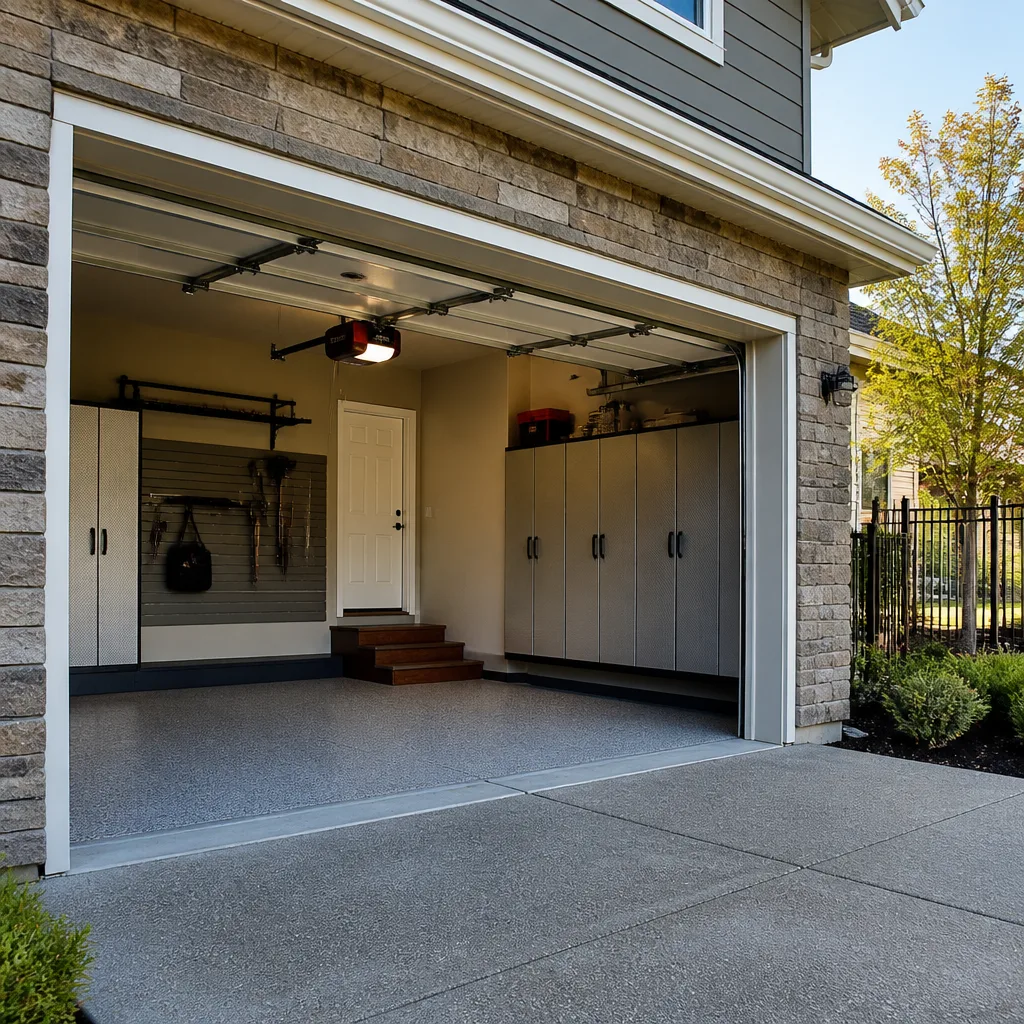 LiftMaster openers
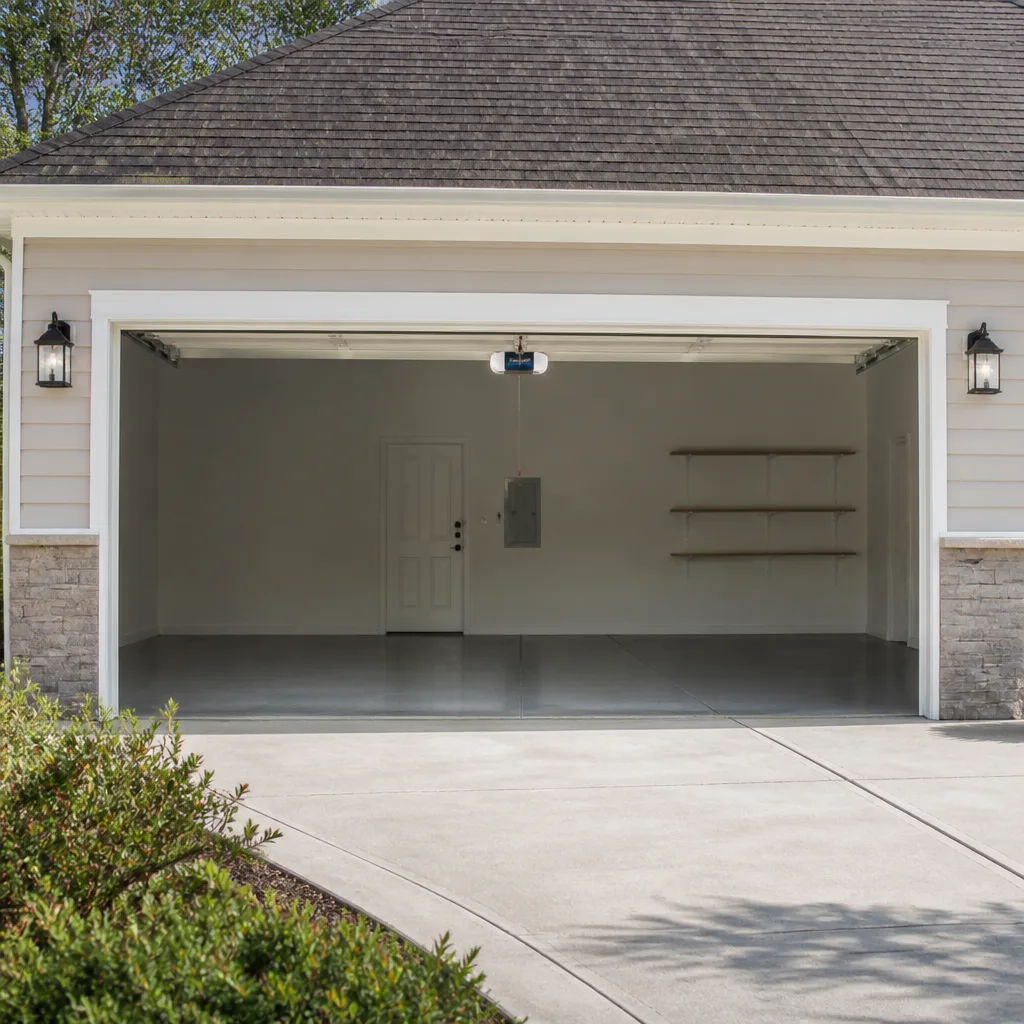 Chamberlain openers
Full 25-point door and opener safety check with every visit - springs, cables, rollers, tracks, and your LiftMaster or Chamberlain opener included
You get a price before we start. It does not change when the pro arrives.
Get your free estimateGarage Door Permits, Codes & Inspections in Lynnwood, WA: What You Need to Know
Most Lynnwood homeowners assume that any garage door work requires a permit, so they’re surprised to learn the opposite is usually true. Swapping a door for a like-for-like replacement, or replacing panels on an existing opening, typically needs no permit at all in Lynnwood. But the exceptions matter. Adding a new opening, widening an existing one, or putting a door on a converted garage space can pull you into the building permit process, and skipping that step can surface years later during a home inspection or title search. This guide maps the actual regulatory lines for Lynnwood so you know exactly when paperwork is required, when it isn’t, and what to do in each case.
Quick Answer
In Lynnwood, a straight replacement of an existing garage door with a door of the same size in the same opening is generally treated as ordinary repair or replacement and usually does not require a building permit. Structural changes, a new opening, a widened opening, or installing a door where none existed (such as a converted garage) do typically require a building permit from the City of Lynnwood. Fire-rated door requirements between an attached garage and the living space are a separate code matter that applies regardless of permit status. Always confirm the current rules with the City of Lynnwood’s building department before work begins, since local requirements can change.
Styles & brands we work with
- Raised-panel steel
- Carriage house
- Modern flush
- Full-view glass
- LiftMaster openers
- Chamberlain openers
Table of Contents
- What Triggers a Permit in Lynnwood vs. What Doesn’t
- Fire-Rated Door Requirements Between Garage and Living Space
- What Happens at Resale When Garage Work Is Unpermitted
- HOA Overlay Rules in Lynnwood Neighborhoods
- How to Pull a Permit Yourself vs. Having the Contractor Pull It
- What an Inspection Actually Checks
- Do Openers and Electrical Work Need Permits?
- How Lynnwood’s Climate Affects Door Codes and Materials
What Triggers a Permit in Lynnwood vs. What Doesn’t
The core distinction is simple: permits follow the building structure, not the door itself. If you’re replacing what’s already there, you’re usually outside the permit process. If you’re changing the structure, you’re usually inside it. Most reputable garage door contractors in Lynnwood know where that line sits, and the good ones will tell you before you ask. If they don’t bring it up, that’s worth noticing.
Here’s how the categories break down in practice:
- Like-for-like replacement (no permit typically required): Removing an old door and installing a new door of the same width and height in the same opening. This covers the majority of residential door swaps in Lynnwood.
- Panel replacement (no permit typically required): Replacing damaged sections on an existing door without changing the opening dimensions.
- New opening (permit required): Cutting a new garage door opening into a wall that didn’t previously have one.
- Widening or raising an existing opening (permit required): Structural header changes affect load-bearing walls, which brings the project under building code review.
- Door on a converted garage (permit required): If a garage has been converted to living space and you’re converting it back, or adding a door where the original opening was removed, that’s a structural change.
- Garage addition or new construction (permit required): A new detached or attached garage is a full building permit project.
What makes Lynnwood specific is that many of its neighborhoods have a mix of older homes from the 1960s through the 1990s alongside newer construction, which means the “same size, same opening” test can get murky when older openings don’t match standard modern door dimensions. If the door you’re buying is even an inch different in width or height, it’s worth a quick call to the City of Lynnwood building department to confirm whether you’ve moved from replacement into structural territory. For replacement work that fits the exempt category, you can usually schedule straightforward garage door repair without any permit paperwork.
Fire-Rated Door Requirements Between Garage and Living Space
This is the code requirement most Lynnwood homeowners never hear about until an inspector points it out. In an attached garage, the wall and door between the garage and the living space are treated as a fire separation assembly. The idea is to slow the spread of fire and keep carbon monoxide and fumes out of the house. Washington’s residential code addresses this separation, and the door in that wall is part of the assembly.
What that means in practical terms:
- The door between an attached garage and the house must be a fire-rated door that meets the code requirement. A standard interior door swapped in behind a garage door isn’t the same thing.
- The self-closing and self-latching hardware matters. The door needs to close on its own and latch, so a spring or closer that’s been removed “because it was annoying” is a code problem, not just a convenience issue.
- If you’re replacing or adding a door that connects the garage to the living space, that’s separate from the overhead garage door itself, and it’s where permit questions most often come up.
- Drywall and sealing details around the door and the wall assembly matter too. Gaps around a door frame can undermine the separation.
In our experience, this is the item that surfaces during a home inspection when a garage has been altered or when a previous owner installed a standard door in place of a rated one. It’s also a safety matter rather than a paperwork formality, so if you’re unsure what’s in your wall, have it checked rather than guessed at. For questions about the overhead door itself rather than the fire separation door, Lynnwood Garage Door Repair Pros can point you in the right direction. When in doubt about the fire-rated door, ask the City of Lynnwood’s building department what the current code requires for your specific setup, since existing conditions and code edition both matter.
What Happens at Resale When Garage Work Is Unpermitted
Unpermitted garage work tends to sit quietly until you sell. That’s when it becomes visible. During a home inspection, an inspector who notices structural changes around a garage opening, a door that doesn’t match the original footprint, or a converted garage that isn’t reflected in the home’s records will flag it. Title searches can also turn up discrepancies between what’s recorded and what’s actually built.
What that means for a Lynnwood seller:
- It can delay or complicate the sale. Buyers get nervous about unpermitted structural work, and lenders and title companies can require it to be resolved before closing.
- It may require retroactive permitting. Some unpermitted work can be permitted after the fact, but that usually means opening up walls for inspection, paying permit fees, and possibly correcting work that doesn’t meet current code.
- It can cost you negotiating leverage. Even when a buyer proceeds, unpermitted work becomes a bargaining point at the exact moment you have the least room to push back.
- It may not be insurable the way you expect. If a future claim involves work that wasn’t permitted and should have been, insurers can raise questions. That’s not a guarantee of denial, but it’s a risk worth avoiding.
The fix is cheap and boring: get the permit when it’s required, keep the inspection record, and keep the paperwork with your home files. A permitted and inspected garage door installation is a documented improvement, and documentation is exactly what a buyer’s agent wants to see. It’s also why having the contractor pull the permit (more on that below) is usually better than pulling it yourself.
HOA Overlay Rules in Lynnwood Neighborhoods
City code is one layer. Your homeowner’s association is another, and in parts of Lynnwood it can be stricter than the city. HOAs aren’t governed by the building code; they’re governed by recorded covenants, conditions, and restrictions. Those documents can dictate things the city doesn’t care about at all.
Common HOA restrictions on garage doors include:
- Style and panel design: Some associations require a specific panel style, such as raised-panel or carriage-house, to keep the streetscape consistent.
- Color: Specific color palettes are common, and “white” can mean anything from bright white to almond depending on the covenant.
- Materials: Steel, wood-look, and aluminum full-view doors may be treated differently. Some associations restrict glass or window insertions.
- Windows and hardware: Decorative hardware and window layouts sometimes need approval before installation.
- Opener noise and lighting: Less commonly, associations restrict exterior lighting or require quiet belt-drive openers in attached garages.
If you live in one of Lynnwood’s covenant-controlled neighborhoods, check your CC&Rs and your architectural review process before you order a door. A door that’s perfectly legal under Lynnwood building code can still be a violation under your HOA, and HOA violations don’t get fixed at permit inspection. Approvals usually take a little time, so bring it up early. If you’re working with a brand like Clopay or Amarr, those manufacturers publish detailed product specs and finish options that make architectural review submissions easier.
How to Pull a Permit Yourself vs. Having the Contractor Pull It
You can pull a garage-related building permit yourself in Lynnwood, and some homeowners do. It’s not difficult, but it does put the paperwork and the inspection responsibility in your name. Having the contractor pull it is generally the better choice for structural work, because the paper trail is cleaner and the responsibility for code compliance sits with the party doing the work.
Here’s a general comparison:
- Pulling it yourself: You file the application, you’re listed as the applicant, you schedule the inspections, and you’re the point of contact if the inspector flags something. It can save a fee markup, but it also means you’re managing the process and you’re on record as the one who did the work.
- Contractor pulls it: The permit is filed in the contractor’s name, the contractor coordinates the inspection, and if anything needs correcting, they handle it as part of the job. It also creates a documented record showing licensed work was performed.
That last point is the one that matters at resale. A permit with a contractor’s name and a passing inspection tells a future buyer that the work was done properly and checked. For a homeowner in Lynnwood who might sell in five or ten years, that’s worth more than the small fee difference. Ask any contractor you’re considering whether they’ll pull the permit for structural garage work, and be wary of anyone who says it isn’t needed without checking with the city. We’re happy to talk through the decision on any project.
What an Inspection Actually Checks
A garage door inspection isn’t just about the door. When a permit is issued for structural garage work in Lynnwood, the inspector looks at the assembly: how the opening is framed, how the header is supported, and whether the installation matches what was approved on the plans. For replacement work that doesn’t require a permit, the field is open to the contractor’s own quality standards, and that’s where a good installer earns their keep.
Whether a permit is in play or not, the areas worth confirming after installation are consistent:
- Structural framing support. The header must carry the load above the opening, and the track brackets must be properly anchored into solid framing rather than just drywall.
- Door balance and travel. The door should move smoothly, stay put when stopped partway, and close without sagging. Spring tension adjustment is part of a correct installation.
- Safety reverse and sensor operation. The auto-reverse mechanism and the safety sensors near the floor must both function. This is a life-safety feature and one of the most common failure points on older doors.
- Fire separation integrity. Where a door connects the garage to the living space, the fire-rated assembly and self-closing hardware need to be intact and functioning.
- Weather sealing and gaps. Bottom seals, side jambs, and top seals should close off the gaps between door and frame, which is where water intrusion and heat loss come from.
If you’re adding a smart opener alongside new construction, that’s a separate electrical topic covered below. Manufacturer setup details for something like a LiftMaster or Chamberlain unit usually reference the wiring and clearance the installer needs, and those clearances are easier to provide during the framing stage than after the drywall goes up.
Do Openers and Electrical Work Need Permits?
Replacing an existing garage door opener with a new one in the same location is normally a like-for-like swap and doesn’t require a building permit. Adding a new electrical outlet to power an opener in a spot with no existing service is electrical work, and electrical work is a separate permit category from building permits in Washington. If you’re moving an opener to a new location or adding a dedicated circuit, that’s a question for an electrician and the City of Lynnwood’s permit desk.
Here’s the practical split for a Lynnwood homeowner:
- Swapping an opener: No building permit in the typical case. The existing outlet and wiring stay in place.
- New circuit or new outlet for an opener: Electrical permit territory. Use a licensed electrician, and confirm the permit requirement with the city.
- Opener in a new garage or new opening: Part of the larger project and covered by the building permit.
- Smart opener wiring and low-voltage accessories: Usually no permit, but the manufacturer’s instructions and the outlet location still matter.
We handle the mechanical side of garage door opener repair and installation and work with the major brands, from Genie units to newer LiftMaster and Chamberlain models with smart-home integration. For anything that touches new wiring in the walls, we’ll tell you plainly when the job needs an electrician and a separate permit rather than trying to handle it under a door repair ticket.
How Lynnwood’s Climate Affects Door Codes and Materials
Lynnwood’s climate shapes which garage door materials hold up, even though it doesn’t change the permit rules directly. Wet winters, moderate temperatures, and the occasional stretch of snow or ice mean your door spends most of the year dealing with moisture rather than sun exposure. That’s different from drier parts of the state, and it changes what you should be asking for.
What that means for material choices:
- Steel doors with good finish warranty hold up best. They resist the moisture swings that cause corrosion on lesser finishes. Galvanized steel with a factory finish and a solid bottom seal is the workhorse choice for Lynnwood.
- Wood doors need more attention. Real wood can look great, but it requires repainting or refinishing on a schedule. If you choose wood and your HOA allows it, plan for the upkeep.
- Insulation matters for attached garages. An insulated door helps with the temperature swing between garage and house, and it reduces condensation, which is a real problem in damp Lynnwood winters.
- Sealing keeps weather out. Bottom seals, jamb seals, and a proper threshold matter more here than in drier climates.
None of this changes the permit question, but it’s the kind of thing that should inform your door choice when you’re replacing one anyway. A standard raised-panel steel door from a brand like Clopay or Amarr, properly sealed, performs well through a Lynnwood winter. An unsealed door, or one with a torn bottom seal, lets moisture into the track area and causes the rust and sticking that leads to garage door spring repair calls later on.
Common Mistakes to Avoid
- Assuming every door replacement needs a permit. Many Lynnwood replacements are exempt, and filing a permit you don’t need wastes time and money. But make sure the work really is like-for-like before you skip it, because an inch of size difference can matter.
- Assuming no replacement ever needs one. The flip side of the first mistake. Widening an opening, adding one, or installing a door on a converted garage is structural work that pulls in the permit process. Skipping it creates a paper trail problem that surfaces at resale.
- Ignoring the fire-rated door between garage and house. It’s a code requirement and a safety feature, not a decoration. A standard interior door or one with the closer removed fails the intent of the separation.
- Forgetting to check the HOA. City code and HOA covenants are two different rulesets. A door that passes city inspection can still violate your CC&Rs, and fixing an HOA violation means buying another door.
- Pulling the permit yourself on structural work. It’s allowed, but it puts the inspection and code compliance on your record instead of the contractor’s, and it leaves a weaker trail for future buyers.
- Skipping the post-installation safety check. The auto-reverse and sensor operation are easy to overlook once the door is working. They’re worth confirming every time.
- Letting a contractor dismiss the permit question with “it’s fine.” A contractor who can’t explain why a permit is or isn’t needed for your specific project hasn’t thought about it, and you’re the one who inherits the risk.
See the difference
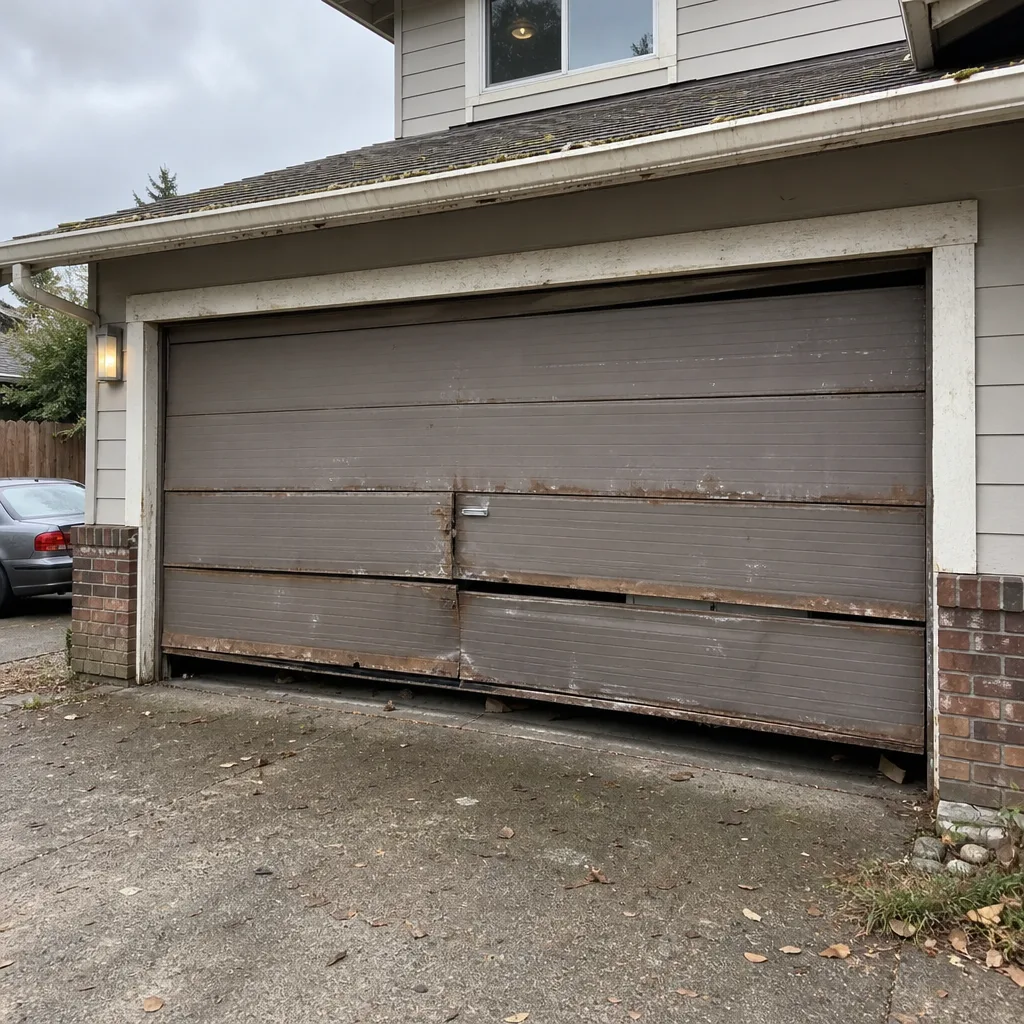 Before
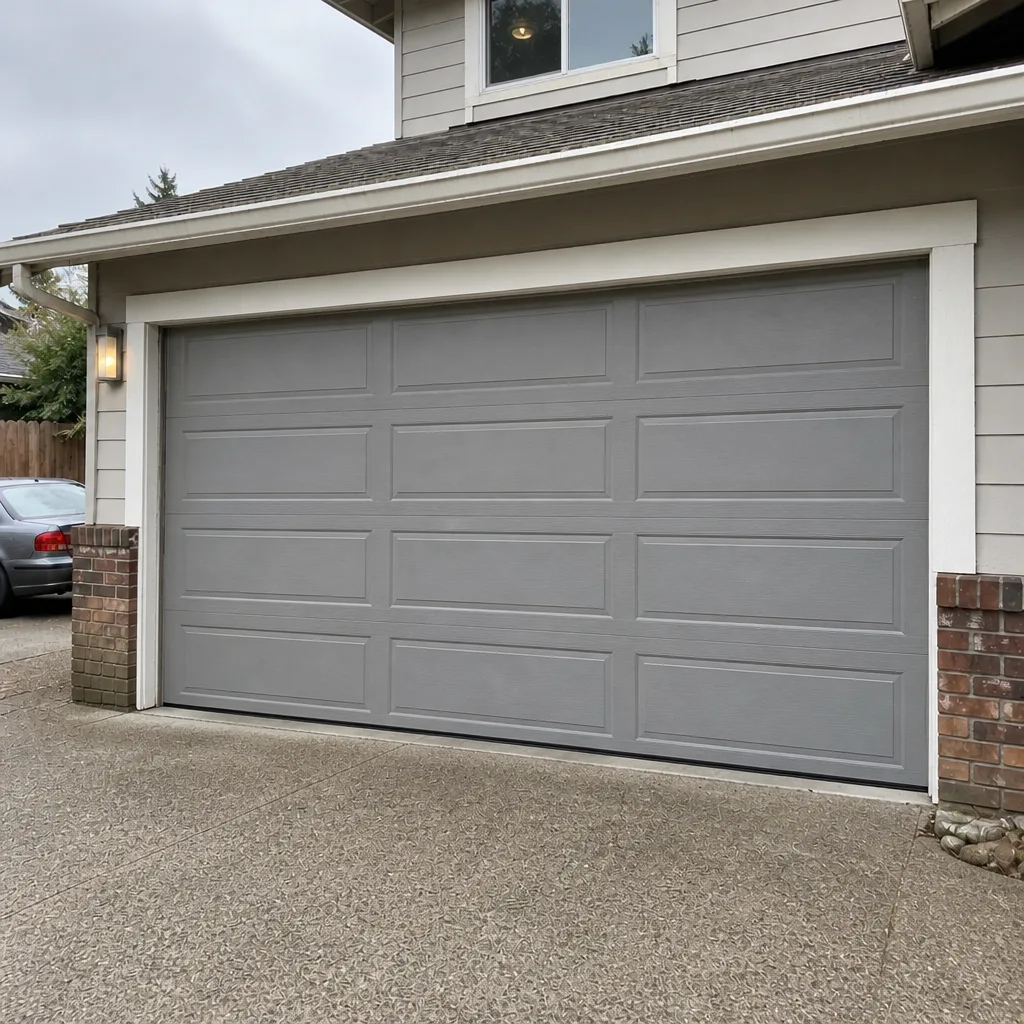 After
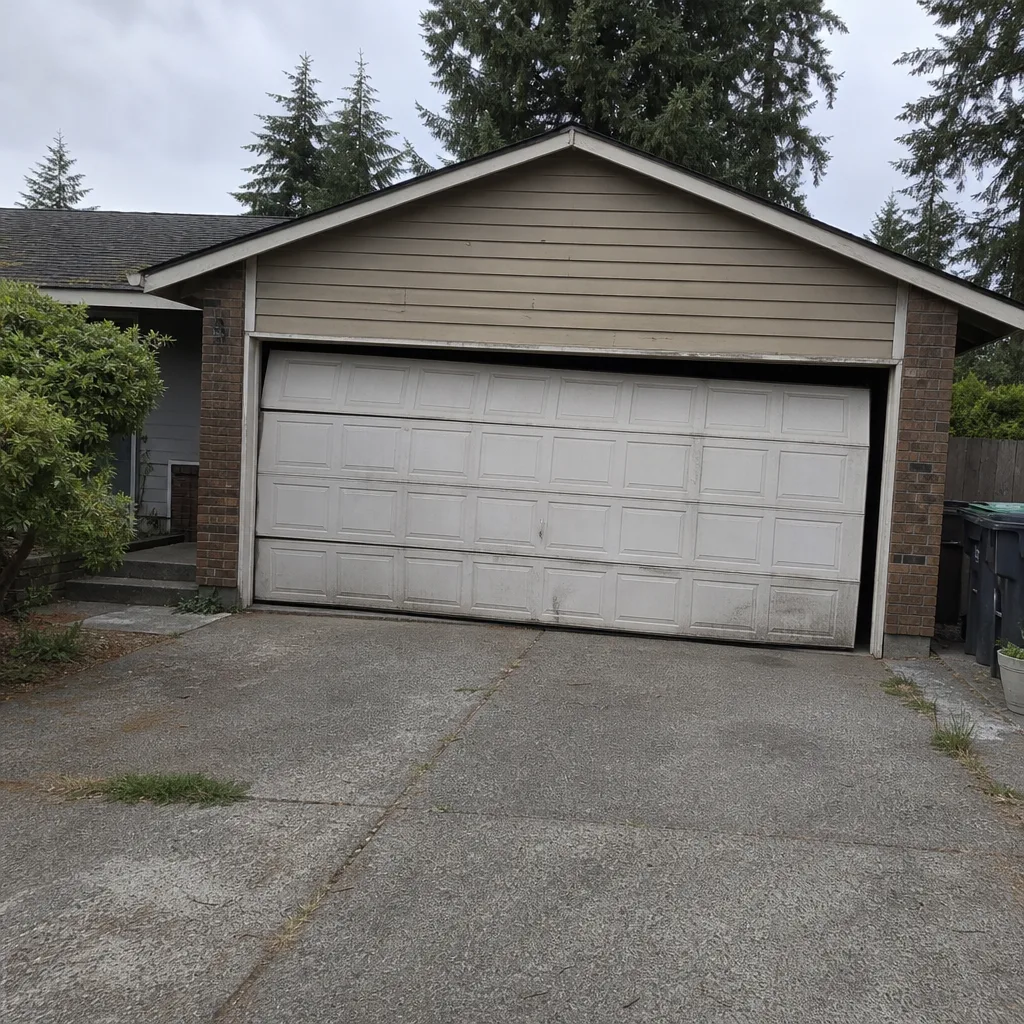 Before
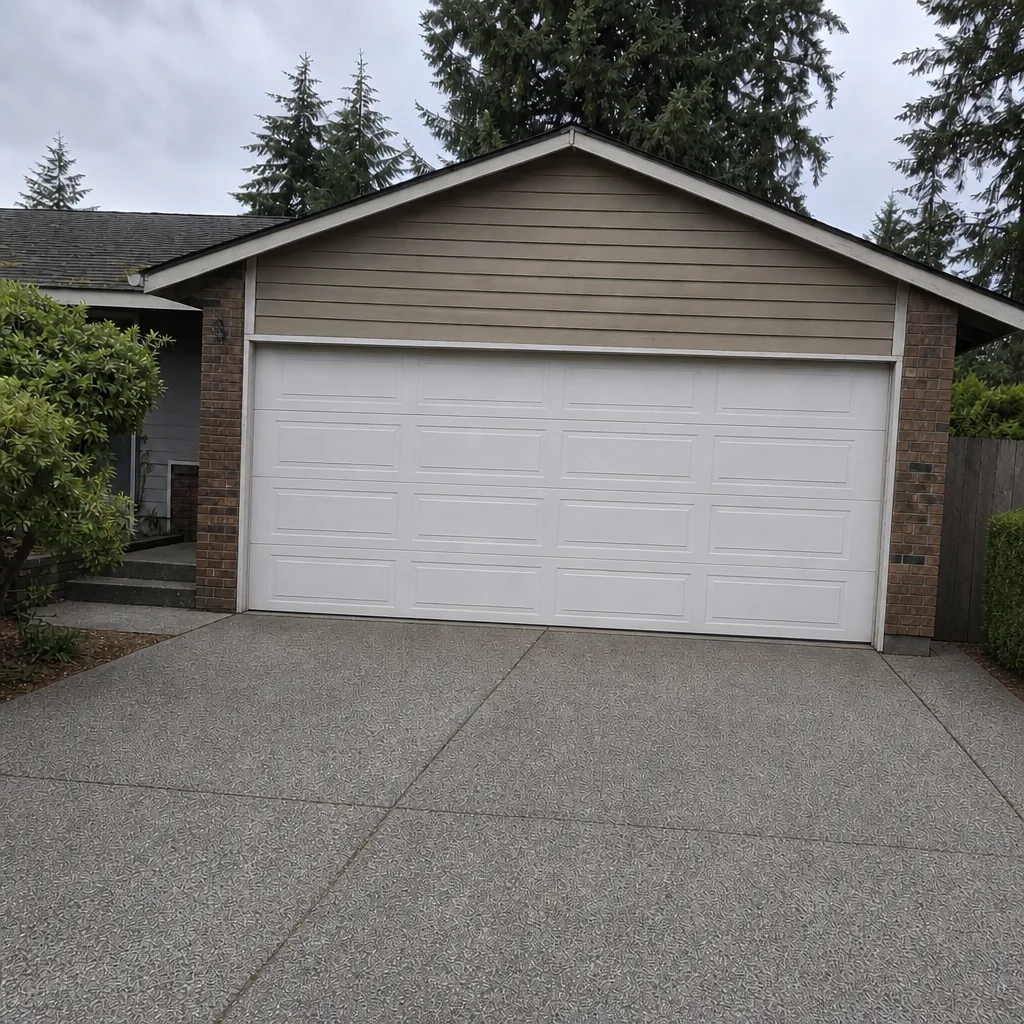 After
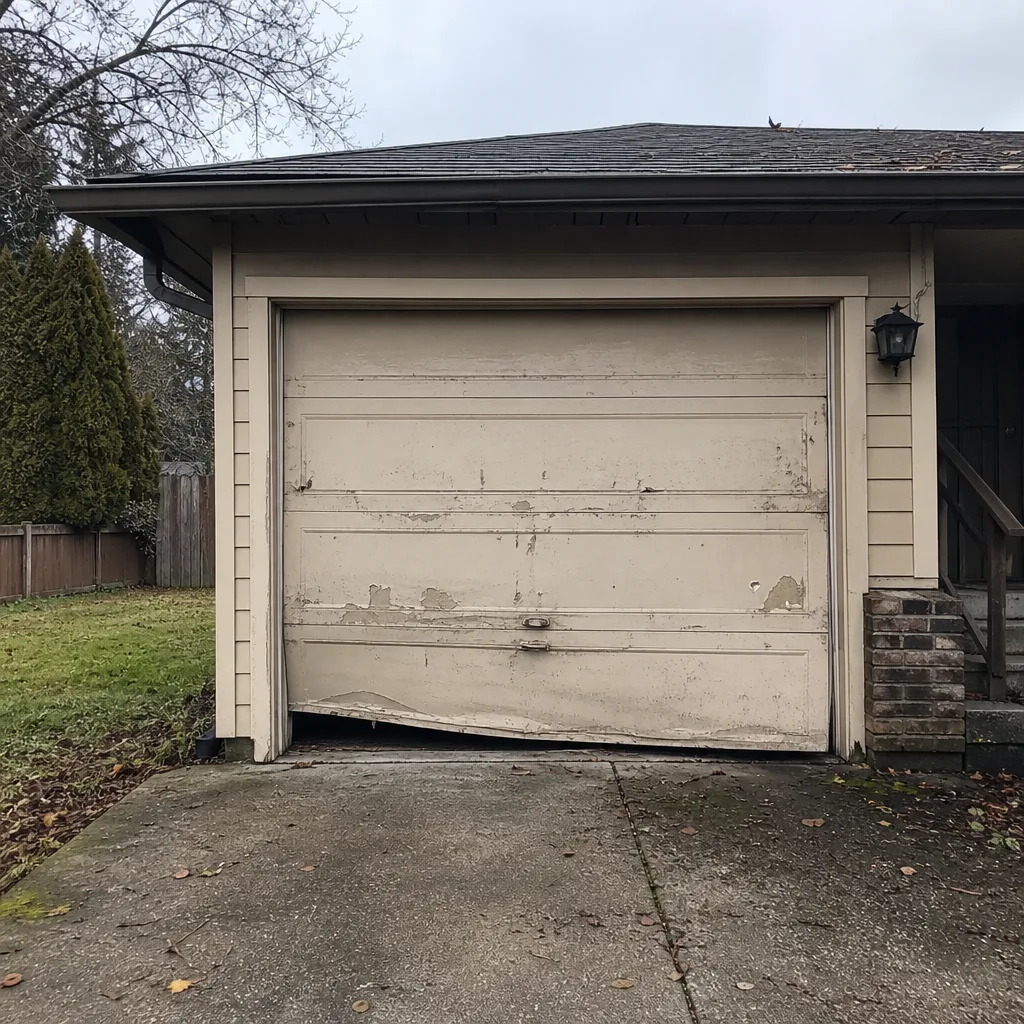 Before
 After
When to Call a Professional
Call a professional when the work involves structural changes to the opening, when you’re uncertain about permit requirements, when the door is off-track or the spring is broken, or when you’re replacing a fire-rated door between the garage and living space. Spring repair in particular is high-stakes work: torsion springs are under heavy tension and handling them without the right tools and training is genuinely dangerous, so that’s not a job for anyone but a trained technician. We also recommend a professional for anything involving new electrical work or changes to a fire separation assembly. Lynnwood Garage Door Repair Pros offers free estimates in Lynnwood. Our technicians have up to 12 years of experience across all eight major garage door and opener brands. Call (855) 658-5277.
Frequently Asked Questions
Usually not. A like-for-like replacement of an existing garage door with a door of the same size in the same opening is generally exempt from building permits in Lynnwood. If the opening is being widened, raised, or newly created, or the door is going on a converted garage, a building permit is typically required. Confirm with the City of Lynnwood building department, and call (855) 658-5277 for a free estimate on the work itself.
In an attached garage, yes. The wall and door between the garage and the living space are treated as a fire separation assembly under Washington residential code, and the door in that assembly must be a fire-rated door with self-closing and self-latching hardware. A standard interior door isn’t the same thing. If you’re unsure what’s in your wall, have it checked or call (855) 658-5277 and we can point you in the right direction.
Yes, you can file a building permit application yourself, and some homeowners do for simple structural projects. The bigger question is whether you should. Having the contractor pull the permit creates a documented record in their name and puts inspection coordination and code compliance on them, which protects you at resale. Call (855) 658-5277 if you want to talk through whether your project falls into permit territory.
It can surface during the home inspection or title search and complicate the sale. Unpermitted structural garage work may need to be permitted retroactively, which can mean opening up walls for inspection and correcting work that doesn’t meet current code. The safest path is to get the permit when the work is required in the first place, and to keep the inspection record with your home paperwork. Call (855) 658-5277 for a free estimate on permitted replacement work.
Replacing an existing opener in the same location with a new one is normally a like-for-like swap that doesn’t require a building permit. Adding a new outlet or circuit for an opener is electrical work, which is a separate permit category in Washington. Anything that touches new wiring in the walls should go through a licensed electrician and the City of Lynnwood permit desk, while we handle the mechanical door and opener side.
Yes, and it commonly does. HOA covenants in covenant-controlled Lynnwood neighborhoods can restrict door style, color, materials, and window inserts independently of city building code. A door that passes city inspection can still violate the HOA. Check your CC&Rs and bring approval requests in early, since architectural review takes time. When you’re ready to order a door, call (855) 658-5277 for a free estimate.
The Bottom Line
In Lynnwood, the permit question for garage door work comes down to one distinction: replacement of what’s already there versus a change to the building structure itself. Like-for-like door swaps and panel replacement usually don’t need a permit; new openings, widened openings, and doors on converted garages usually do. The fire-rated door between an attached garage and the living space is a separate code requirement, and it applies whether or not a permit is involved. HOA covenants layer on top. Get the paperwork right when it’s required, keep the record, and the resale inspection becomes a non-event. When you’re ready for the work itself, call (855) 658-5277 for a free estimate. We work on your brand, whatever the make and model, and our technicians have up to 12 years of experience across LiftMaster, Chamberlain, Genie, Clopay, and the rest of the major lines.
Written by the team at Lynnwood Garage Door Repair Pros.